How Dark Can You Tint Your Car Windows in NJ (2026)?
New Jersey window tint laws are among the strictest in the country. That surprises many drivers in Medford, Cherry Hill, Camden, Mount Laurel, Trenton, the Jersey Shore, and nearby Tri State areas who assume that “factory tint” or “it looks light” automatically means it is legal. In reality, legality is based on measurable Visible Light Transmission, windshield rules, and how the film is applied, not on what feels comfortable on a sunny day. Misunderstanding the rules can get expensive. Illegal tint can lead to traffic stops, fines, inspection failures, and the hassle and
cost of removal and reinstallation. That is why it is smart to verify compliance before you install any film. When you understand the 2026 rules and choose a compliant option, you can still gain glare reduction, UV protection, and heat comfort without putting your registration or inspection at risk.
Table of Contents
1. How Tint Darkness Is Measured (VLT%)
2. New Jersey Window Tint Laws 2026 by Vehicle Type
3. Windshield, Front Windows, and Rear Glass Rules
4. Medical Exemptions and Documentation in NJ
5. Penalties, Fines, and NJ Inspection Problems
6. How Police Measure Tint and What to Expect
7. Choosing Legal Tint That Still Performs
1. How Tint Darkness Is Measured (VLT%)
When people ask, “how dark can you tint in NJ,” they are usually talking about how much light the film blocks. The legal way to measure that is Visible Light Transmission (VLT) , expressed as a percentage. VLT tells you how much visible light passes through the glass and film together.
- Higher VLT% means more light passes through, so the window looks lighter.
- Lower VLT% means less light passes through, so the window looks darker.
Two details matter for compliance:
- Glass + film is what gets measured. Even “light” film can test darker if the factory glass already has a tint.
- Windshield rules are different. Many states allow some windshield tint. New Jersey is notably strict about windshield and front-side tint.
Common VLT examples (real-world feel)
| VLT% | How it looks | Typical driver goal | “Limo tint” appearance |
|---|---|---|---|
| 70% to 90% | Very light, close to clear | UV and heat comfort with minimal change | Lower (varies by window position) |
| 50% | Light smoke | Balanced look and comfort | Medium to high (front windows often flagged) |
| 35% | Noticeably dark | Privacy and style | High in NJ for front windows |
| 20% | Dark | Maximum privacy | Very high in NJ |
| 5% | Very dark | “Limo tint” appearance | Very high in NJ |
SEO note: When you search “legal window tint NJ” you will see conflicting advice. Some sources quote general VLT numbers, but enforcement and inspection outcomes often depend on how New Jersey applies its rules for front-side windows and windshield film. Always verify with a local professional and keep documentation of what was installed.
2. New Jersey Window Tint Laws 2026 by Vehicle Type
Drivers commonly assume that SUVs and trucks have different rules than sedans. In many states, that is true. In New Jersey, the more important factor is often which windows are tinted and whether the tint affects the driver’s forward and side visibility. That said, body style still matters because it changes how often rear privacy glass is used and how frequently the vehicle is inspected or scrutinized.
Quick guide: sedans vs SUVs vs trucks
| Vehicle type | Most common compliance issue | Most common safe strategy |
|---|---|---|
| Sedans | Front side windows tinted too dark | Focus on rear glass comfort films, keep front legal |
| SUVs | Assuming factory privacy glass equals full legality | Use performance film on rear privacy glass, verify VLT |
| Trucks | Windshield strip or full windshield film issues | Follow strict windshield rules, choose clarity-first film |
Because the “New Jersey window tint laws 2026” conversation changes quickly, the safest approach is to plan around what New Jersey consistently prioritizes: clear driver visibility through the windshield and the front side windows, plus compliant installation that will not fail inspection.
3. Windshield, Front Windows, and Rear Glass Rules
To understand how dark you can tint your car windows in NJ, break the vehicle into three zones:
- Windshield (most strict)
- Front side windows (highly scrutinized)
- Rear side windows and rear glass (often where legal comfort upgrades are easiest)
Windshield tint in NJ
New Jersey is strict about windshield tinting. Many drivers see out-of-state vehicles with full windshield film and assume it is fine everywhere. In NJ, windshield tint is one of the fastest ways to attract enforcement attention, especially if it reduces visibility or appears reflective.
A common legal misunderstanding is the “tint strip.” Some states allow a non-reflective strip above the AS-1 line. If you are considering any windshield tint in New Jersey, verify the current legal standard and choose an approach that does not compromise visibility. A professional installer can help you choose a compliant solution, or recommend avoiding windshield film if it is likely to cause issues.
Front side windows in NJ
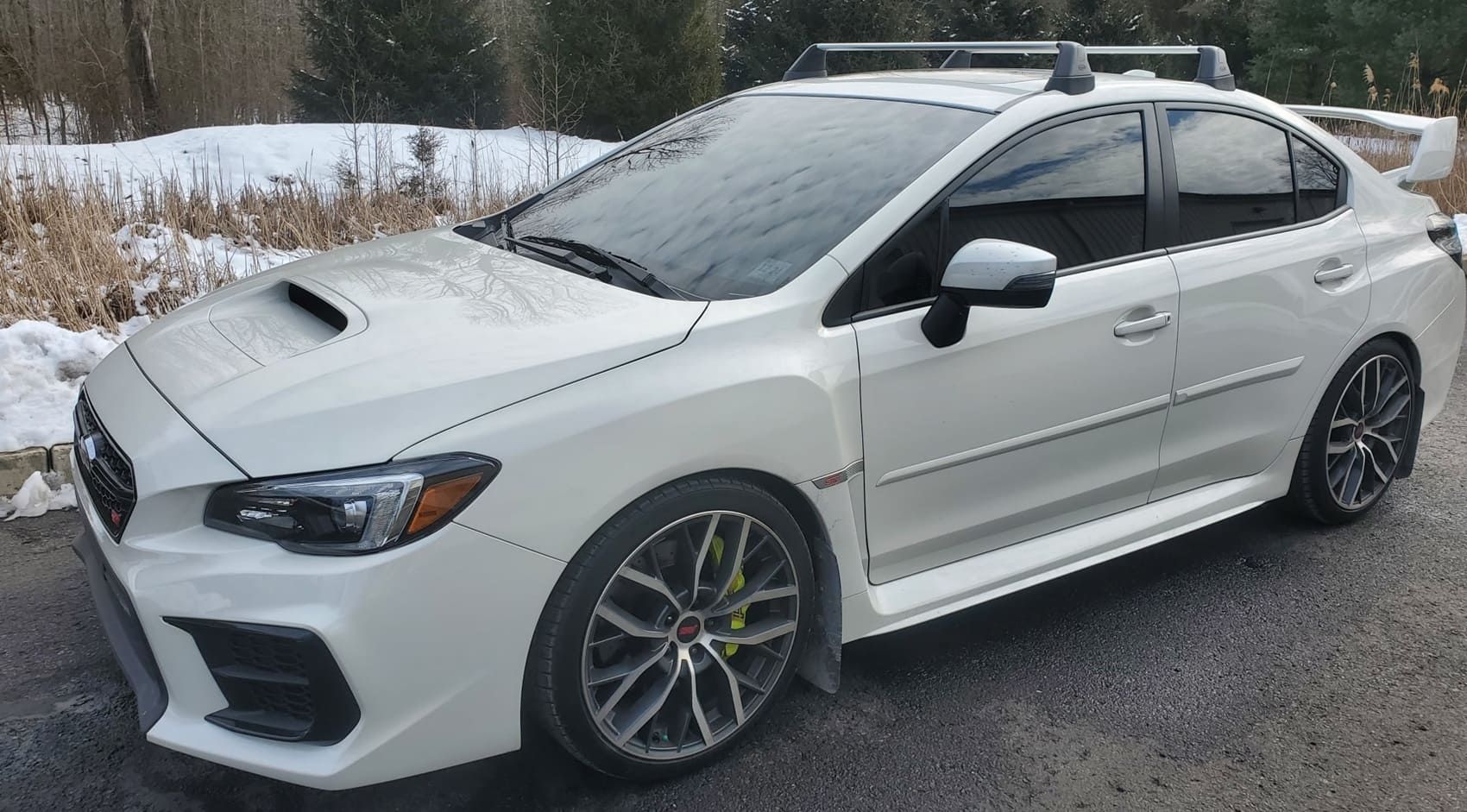
Front side windows are the key pinch point for “legal window tint NJ.” Dark front tint is one of the most common reasons drivers face tickets, inspection issues, or tint removal.
If you want comfort without risk, consider using a very light, high-performance film on the front side windows only when it can be installed in a compliant way and verified with a meter reading.
Rear windows and rear glass
For many vehicles, the rear portion of the cabin is where you can get meaningful privacy and comfort gains while staying within New Jersey expectations. This is also where “Medford NJ window tint” customers often focus when they want heat rejection and UV protection without creating inspection drama.
Compliant vs non-compliant scenarios (examples)
| Scenario | What the driver wants | Why it can fail | Better option |
|---|---|---|---|
| Dark film on front windows | Privacy | Front visibility is a priority in NJ | Rear privacy focus, lighter front comfort film |
| Full windshield film | Heat reduction | Strict windshield enforcement and visibility concerns | High-performance film on rear and side glass |
| Reflective film for style | Mirror look | Reflectivity draws attention and may violate rules | Non-reflective, high-clarity film choices |
4. Medical Exemptions and Documentation in NJ
Some drivers may qualify for a medical exemption that allows darker tint than normally permitted. This is often requested by drivers with photosensitivity, certain skin conditions, or medical needs where UV exposure must be minimized.
Key points to understand:
- An exemption is not automatic. You need proper documentation, and you need to follow the state’s process.
- Keep paperwork in the vehicle. If you are stopped, you may be asked to provide proof.
- Not all tint becomes legal. Exemptions can be specific to windows or conditions and may still require safe visibility.
Documentation checklist (practical)
- Physician documentation stating the need
- Any MVC or state approval letter or permit, if required
- Installer documentation showing film type and installation date
If you believe you qualify, talk to a professional installer first. They can help you build a compliant plan and select a film that delivers protection with minimal visibility tradeoffs.
5. Penalties, Fines, and NJ Inspection Problems
Illegal tint is not just a ticket risk. In New Jersey, it can also affect inspection outcomes and create a costly cycle of removal and reinstallation.
What illegal tint can cost you
- Fines and citations after a traffic stop
- Inspection failure and reinspection time
- Removal costs if you need to strip film from glass
- Replacement costs if the film is damaged during removal
Why inspections flag tint
Inspections can involve visibility and safety checks. Tint that appears too dark, reflective, or non-compliant can trigger a failure. Drivers in Burlington County and Ocean County often report that even a seemingly minor tint issue can turn into a repeat inspection problem if it is not addressed correctly.
Best practice is to treat tint like a compliance item, not a style add-on. Choose a film and a plan that is designed to pass inspection, then document it.
6. How Police Measure Tint and What to Expect
Law enforcement typically relies on a combination of visual observation and a tint meter . A meter measures VLT through the glass and film. If your setup is close to the line, small differences can matter. Dirt, glass thickness, and factory tint can influence readings, which is why professional shops often measure before and after installation.
What drivers should expect during a tint stop
- An officer may visually identify tint as too dark or reflective.
- A meter may be used to confirm VLT.
- You may receive a warning, citation, or fix-it style requirement depending on circumstances.
How to reduce enforcement risk
- Prioritize compliance on windshield and front windows.
- Avoid highly reflective looks.
- Keep documentation from your installer.
- If you have a medical exemption, keep proof accessible.
7. Choosing Legal Tint That Still Performs
Here is the practical question drivers ask in 2026: if New Jersey is strict, can tint still help with comfort? Yes, if you focus on performance films rather than extreme darkness.
Three goals that do not require dark tint
- UV protection: High-quality films can block a large portion of UV rays even when they are light.
- Heat rejection: Modern films can reduce solar heat load without needing a very dark shade.
- Glare comfort: Moderate glare reduction can come from the right film selection and placement.
Recommended strategy for NJ drivers
Step 1:
Build your plan around “legal window tint NJ” priorities, not around a single VLT number you saw online.
Step 2:
Choose a film line designed for long-term performance, clarity, and durability.
Step 3:
Measure VLT after installation to confirm the final result.
SunTek window tint NJ customers often choose performance-focused films that deliver comfort
benefits while maintaining a clean, non-reflective appearance.
South Jersey Window Tinting installs
SunTek Window Tinting products designed to deliver heat rejection, UV protection, and long-term durability while remaining compliant with New Jersey law. If you are in Medford, Cherry Hill, Mount Laurel, Camden, Trenton, Burlington County, Ocean County, Philadelphia, or the Jersey Shore, the right film choice can make a noticeable difference in comfort without creating compliance problems.
Comfort-focused option table (conceptual)
Exact product specs vary. Use this as a planning guide, then choose an exact SunTek option with your installer based on your vehicle and goals.
| Goal | Best approach in NJ | Why it works |
|---|---|---|
| Reduce heat | High-performance film on rear and legal side glass | Targets solar load without dark front windows |
| Protect interior | UV-focused film selection | Helps reduce fading, cracking, and sun damage |
| Improve privacy legally | Privacy emphasis on rear windows | Rear privacy can be stronger without front risk |
FAQ: NJ Car Window Tint Questions (2026)
Is front window tint legal in NJ?
New Jersey is strict about front side windows because they affect driver visibility. If you want front tint, choose a compliant approach, keep it light, and verify it with a VLT meter reading.
How dark can you tint in NJ in 2026?
The safest answer depends on window position and vehicle setup. The strictest scrutiny is typically on the windshield and front side windows. For accurate compliance, measure your glass and plan your film with a local professional.
Are windshield tint strips allowed in NJ?
Windshield tint rules are strict. If you are considering a strip, verify the current legal standard and keep it non-reflective and visibility-safe. When in doubt, avoid windshield film that could cause a stop or inspection failure.
How do medical exemptions work for tint in New Jersey?
Medical exemptions require documentation and often a formal process. Keep your medical paperwork and any approval documents in the vehicle, and ensure the tint still supports safe visibility.
Is out-of-state tint valid in New Jersey?
Out-of-state legality does not guarantee NJ compliance. If you drive in NJ regularly, plan for NJ rules, especially if your tint is dark on the front windows or windshield.
Will I fail inspection for illegal tint in NJ?
Tint can contribute to an inspection failure if it is non-compliant, too dark, or otherwise considered unsafe. If you are unsure, have your tint checked with a meter before inspection time.
How do police check tint darkness?
Officers may use visual judgment and a tint meter that measures VLT through the glass and film. A setup that looks dark can be tested on the spot.
Does factory privacy glass count as legal tint?
Factory privacy glass is a glass characteristic, not aftermarket film. It can still be scrutinized depending on the window area, and it affects the final VLT if you add film over it.
Can I still get UV and heat protection with legal tint in NJ?
Yes. Modern performance films can deliver UV protection and heat comfort benefits even in lighter shades, especially when applied strategically on rear and other compliant areas.
What is the best way to choose legal tint that works?
Work with a professional installer who understands New Jersey window tint laws 2026, measures your current glass, recommends compliant SunTek options, and documents the final installation.
Conclusion and Free Estimate CTA
New Jersey’s tint rules can feel frustrating, but they are manageable when you focus on the fundamentals: understand VLT, treat windshield and front windows as the highest-risk areas, and choose a compliance-first plan that still improves comfort. In 2026, the smartest approach is not to chase the darkest look. It is to choose a legal window tint NJ setup that delivers real-world benefits like heat rejection, glare comfort, and UV protection without triggering tickets or inspection failures.
If you want accurate guidance on New Jersey window tint laws 2026 , including practical options for drivers in
Medford , Jersey Shore , Trenton , Cherry Hill , Camden , Mount Laurel , Philadelphia , Burlington County , Ocean County , and nearby Tri State areas,
contact South Jersey Window Tinting . We install SunTek Window Tint products designed for heat rejection, UV protection, and long-term durability while remaining compliant with New Jersey legal standards. Reach out today to get a
free estimate and a tint plan you can feel confident about.
Does Security Film Stop Active Shooter Threats? What South Jersey Schools and Businesses Should Know