2026 Window Film Laws: What’s Legal in New Jersey?
Introduction: Why Window Film Law Awareness Is Essential in New Jersey 2026
Understanding window film laws is critical for any New Jersey property owner in 2026. Evolving regulations dictate exactly how much sunlight can enter your property, which films are allowed, and how privacy or
energy efficiency upgrades might impact legal compliance. Both
residential and
commercial window film laws are subject to oversight and routine inspection. Noncompliance may lead to expensive removals, failed inspections, fines, or blocked resale transactions. Staying informed ensures not only comfort and energy efficiency, but also peace of mind that your upgrades are legal, future-proof, and aligned with your insurance and code requirements. This guide zeroes in on every major
New Jersey window film law, so homeowners, business owners, and property managers in Medford, Cherry Hill, Camden, Trenton, Mount Laurel, Burlington County, Ocean County, Philadelphia, and the surrounding Tri State area know exactly what’s legal, restricted, and recommended for 2026.
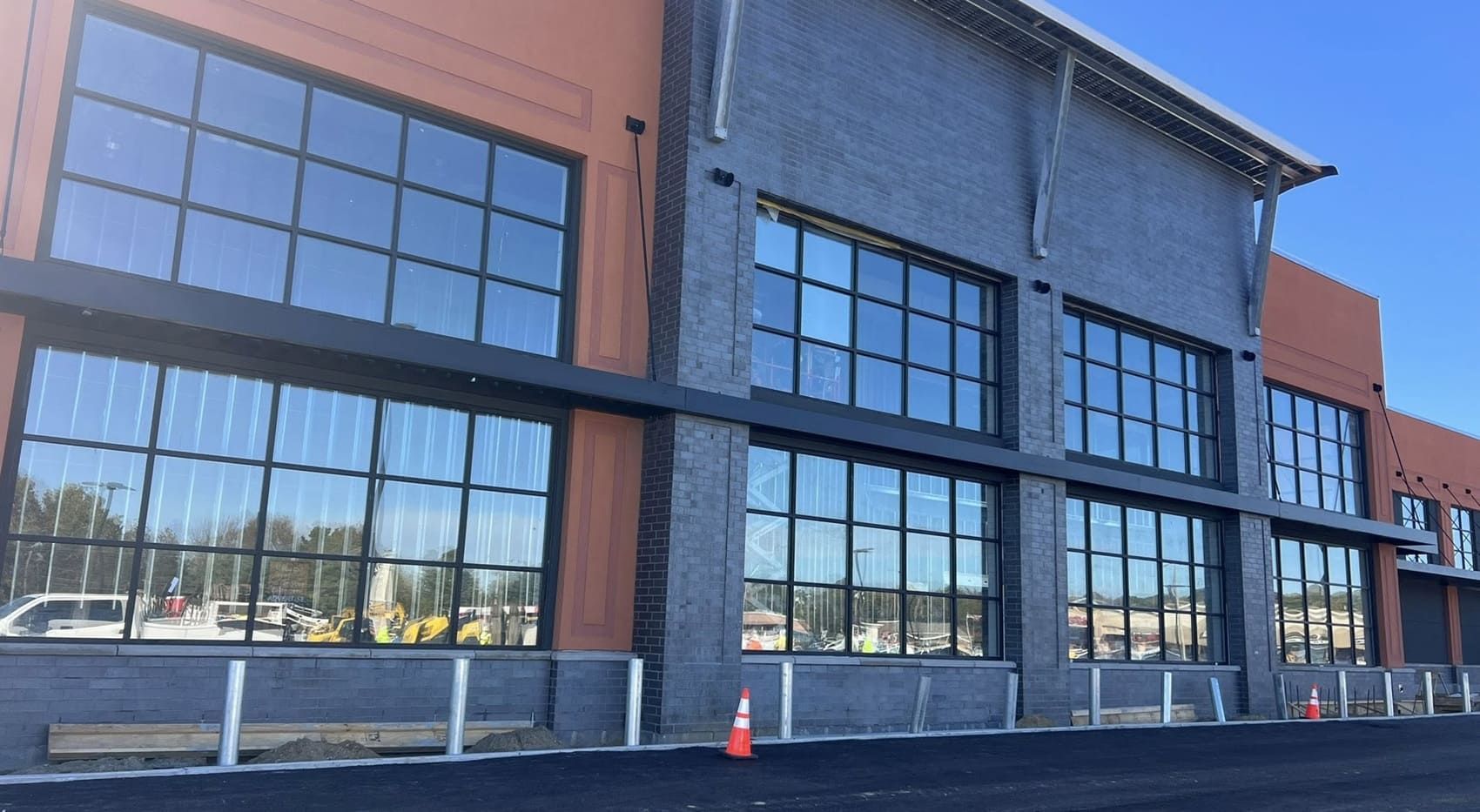
Table of Contents
- New Jersey Window Film Laws: Overview for Homes and Businesses
- Visible Light Transmission: How Transparency Is Regulated
- Safety and Security Film: Standards and NJ Legal Status
- Reflective Films: Appearance Limits and Restrictions
- Residential, Commercial, and Vehicle Film Regulations Compared
- Enforcement, Inspections, and Penalties for Non-Compliance
- Selecting Compliant Films that Deliver Comfort and Efficiency
- Frequently Asked Questions (FAQ)
- Conclusion: Key Requirements and Next Steps
New Jersey Window Film Laws: Overview for Homes and Businesses
New Jersey’s window film laws are designed to protect property safety, aesthetics, and neighborhood standards while allowing energy efficiency and privacy upgrades. The key rules set minimum visible light transmission (VLT) rates, ban excessive exterior reflectivity, and establish requirements for safety/security glazing. Regulations differ for private residences, multi-unit properties, commercial spaces, and vehicles, making it essential to understand how each set of rules applies to your specific use case. All installations must adhere to municipal code as well as state law. Reputable brands like LLumar Vista window film offer products engineered for legal compliance, helping South Jersey Window Tinting clients avoid risk while still enhancing their property’s comfort and value.
| Property Type | Governing Body | Key Regulation Areas |
|---|---|---|
| Single Family Home | State/Municipal Code | VLT, reflectivity, safety |
| Business/Commercial | State/Municipal Code | VLT, reflectivity, fire, egress |
| Vehicle | NJ Motor Vehicle Commission | VLT, color, medical exceptions |
Visible Light Transmission: How Transparency Is Regulated
Visible light transmission (VLT) measures the percentage of natural light allowed through a window with film applied. NJ law typically requires a minimum of 70% VLT for the front side windows of vehicles; for residential and commercial buildings, there is no explicit statewide minimum, but local code and HOA covenants frequently recommend a VLT above 30-40% for any street-facing window. Heavily tinted windows may violate community standards and trigger code enforcement. Many LLumar Vista window film options are engineered to meet or exceed transparency requirements while still delivering meaningful glare reduction and privacy. Business owners are encouraged to seek films with balanced VLT for storefront visibility and compliance.
| Window Film VLT | Appearance | Common Uses |
|---|---|---|
| 70%+ | Virtually clear | Required for vehicle front windows, HOA |
| 40-69% | Mildly tinted | Residential/privacy, commercial storefront |
| <40% | Noticeably dark | Rear vehicle windows, private/off-street rooms |
Safety and Security Film: Standards and NJ Legal Status
Safety and security window films must comply with established ANSI Z97.1 and CPSC 16 CFR 1201 standards for impact safety and break resistance. These films are legal for residential and commercial use and can be particularly valuable for improving code compliance on older glass or meeting modern safety requirements in schools and commercial buildings.
Security films may increase glass strength against forced entry and
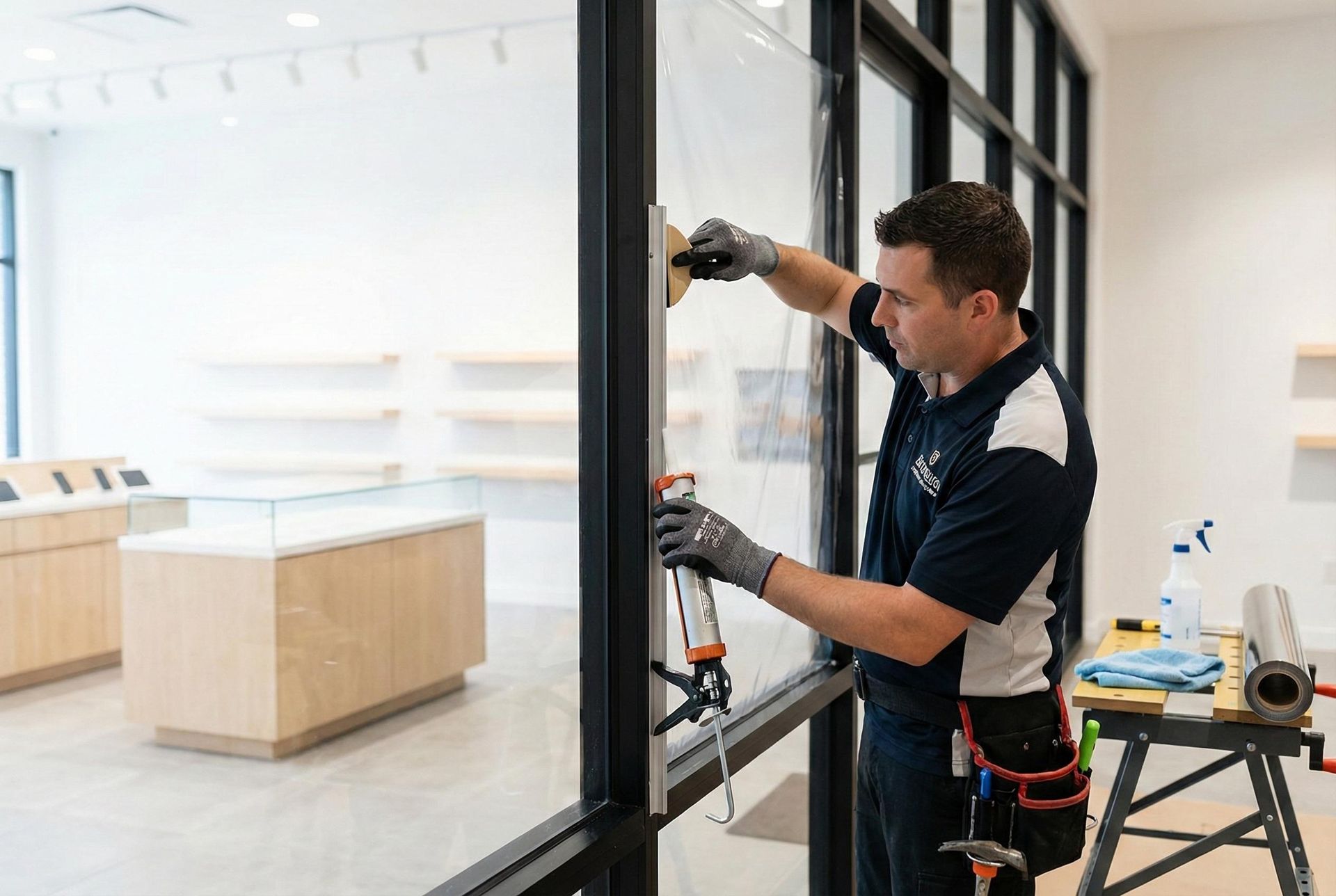
storms, but must be installed by a certified professional to qualify as code-approved safety glazing. LLumar Vista
safety films are lab tested to meet or exceed New Jersey safety standards and often help property owners reduce insurance premiums while remaining fully compliant with local laws.
Reflective Films: Appearance Limits and Restrictions
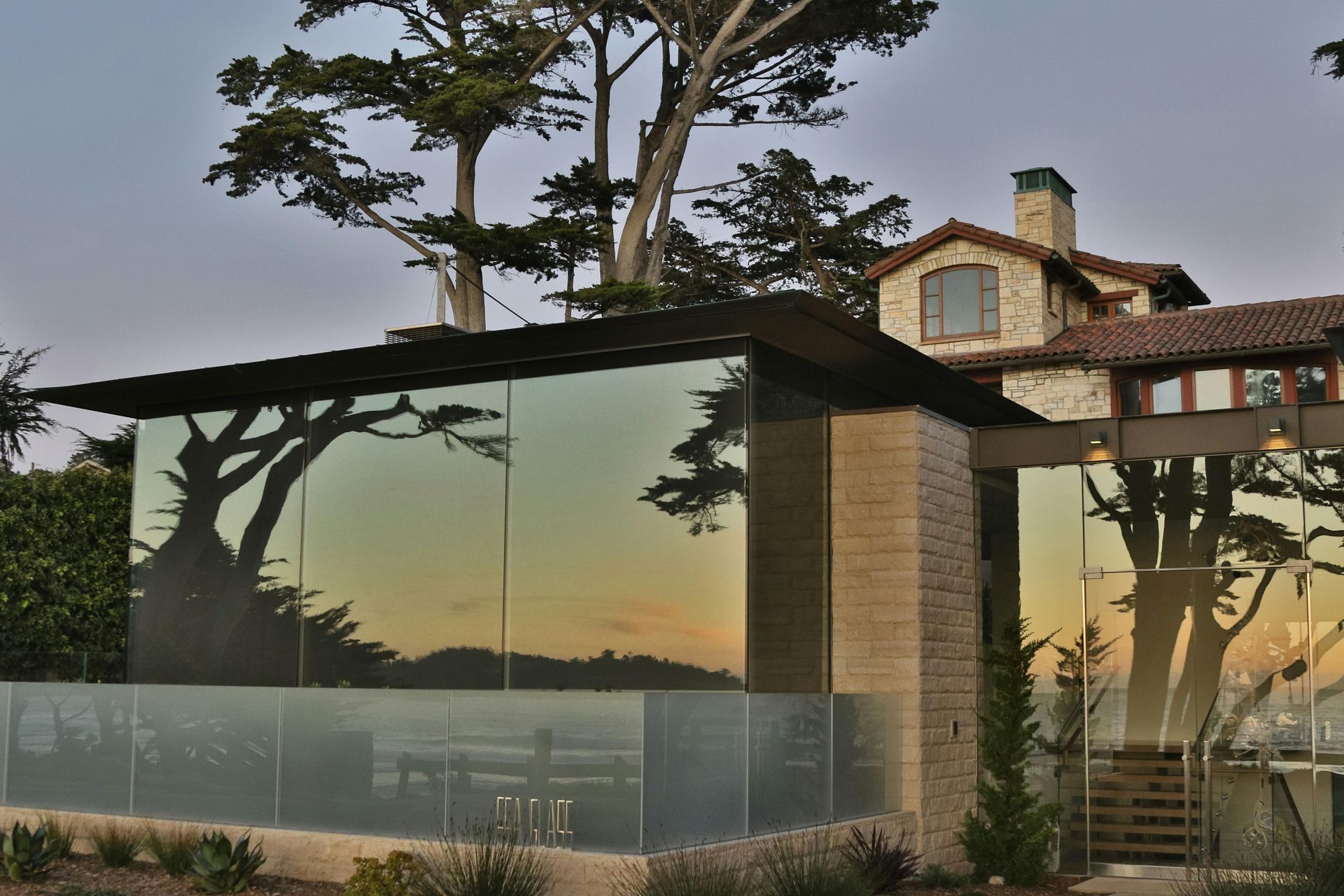
Reflective window films are subject to tight restrictions across NJ cities and townships, especially for street-facing facades and HOAs. State and local guidelines typically limit visible exterior reflectivity to less than 20% on residential and commercial glazing. Highly reflective “mirror” films are generally prohibited due to glare risk and neighborhood appearance codes. Building owners should select non-reflective or low-gloss films from trusted lines such as LLumar Vista to ensure appearances remain legal and in harmony with community architecture. Always check with your local code enforcement or HOA authority
before installing reflective or mirrored window film in New Jersey.
| Film Type | Exterior Reflectivity | Legal in NJ? |
|---|---|---|
| Standard Dyed/Tint Film | <10% | Yes |
| Lightly Reflective Film | 10-20% | Yes (check local code) |
| Mirror Reflective Film | >20% | No |

Residential, Commercial, and Vehicle Film Regulations Compared
The legal landscape for window film varies by property type. Residential and commercial regulations concern energy efficiency, safety, and appearance, while vehicle window tint falls under the jurisdiction of the NJ Motor Vehicle Commission, with clear rules for VLT, color, and medical exceptions. Only certain colors and degree of darkness are allowed for private vehicles, with police vehicles, limos, and certain medical exemptions as the few exceptions. Business and rental property owners must remain especially vigilant—noncompliant installations can lead to failed code inspections and tenancy issues. LLumar Vista products are available in models specifically engineered for New Jersey compliant installation across all these categories.
| Property Type | Key Requirements | Primary Regulator |
|---|---|---|
| Residential | VLT >30%, reflectivity <20% | State, Local Code |
| Commercial | VLT, reflectivity, safety glass codes | State, Local Code |
| Vehicle | VLT 70%+ (front), DOT-approved only | NJ MVC |
Enforcement, Inspections, and Penalties for Non-Compliance
Code enforcement officials, home inspectors, and even law enforcement may evaluate properties and vehicles for window film compliance, especially before resale or on complaint. Noncompliant film installations can result in citations, mandatory removal, and re-inspection costs. For vehicle window tint, drivers risk traffic tickets, failed inspections, and registration holds. Commercial property managers may face insurance claim denials and tenant complications. That’s why working with a professional installer who provides certificates of compliance and full documentation matters. South Jersey Window Tinting always documents VLT, reflectivity, and safety ratings, helping clients avoid costly setbacks in Medford, Trenton, Camden, Cherry Hill, Philadelphia, and surrounding areas.
Selecting Compliant Films that Deliver Comfort and Efficiency
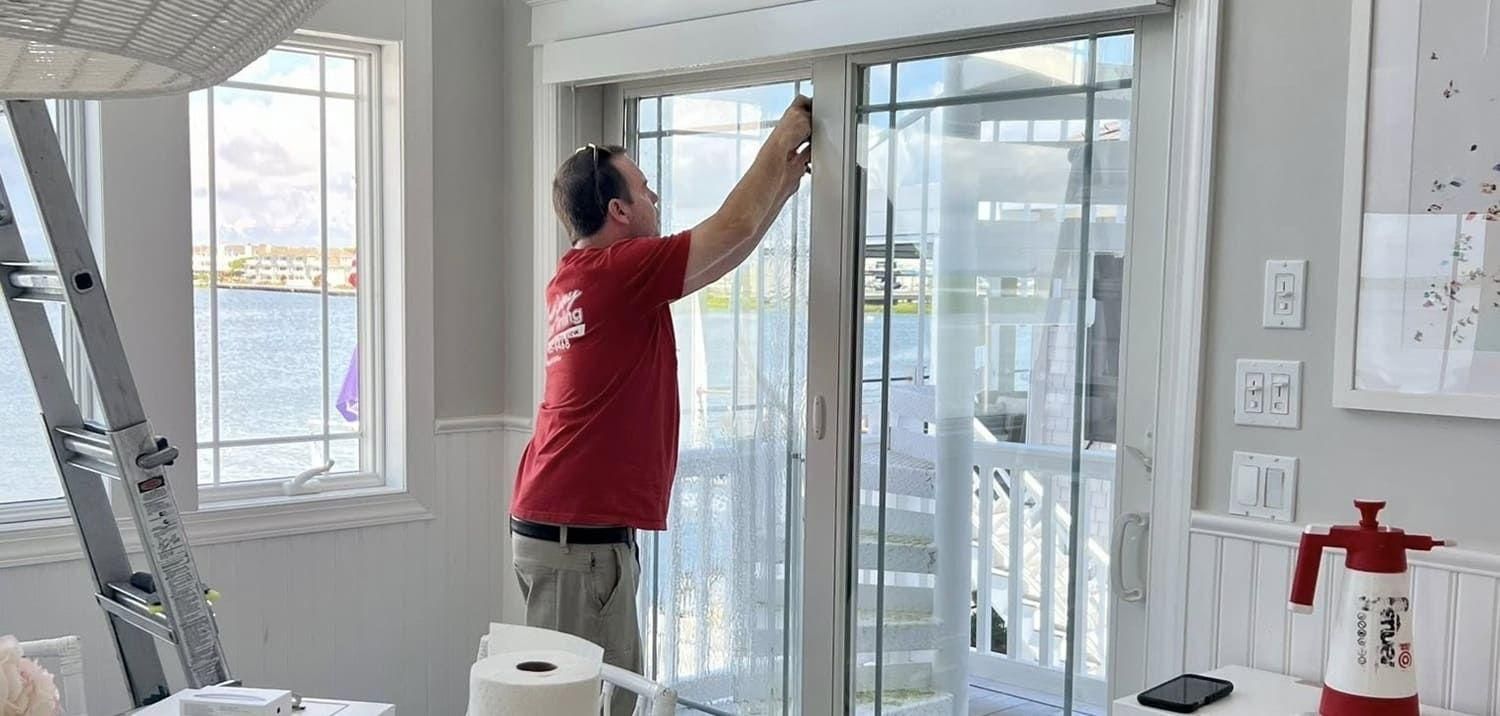
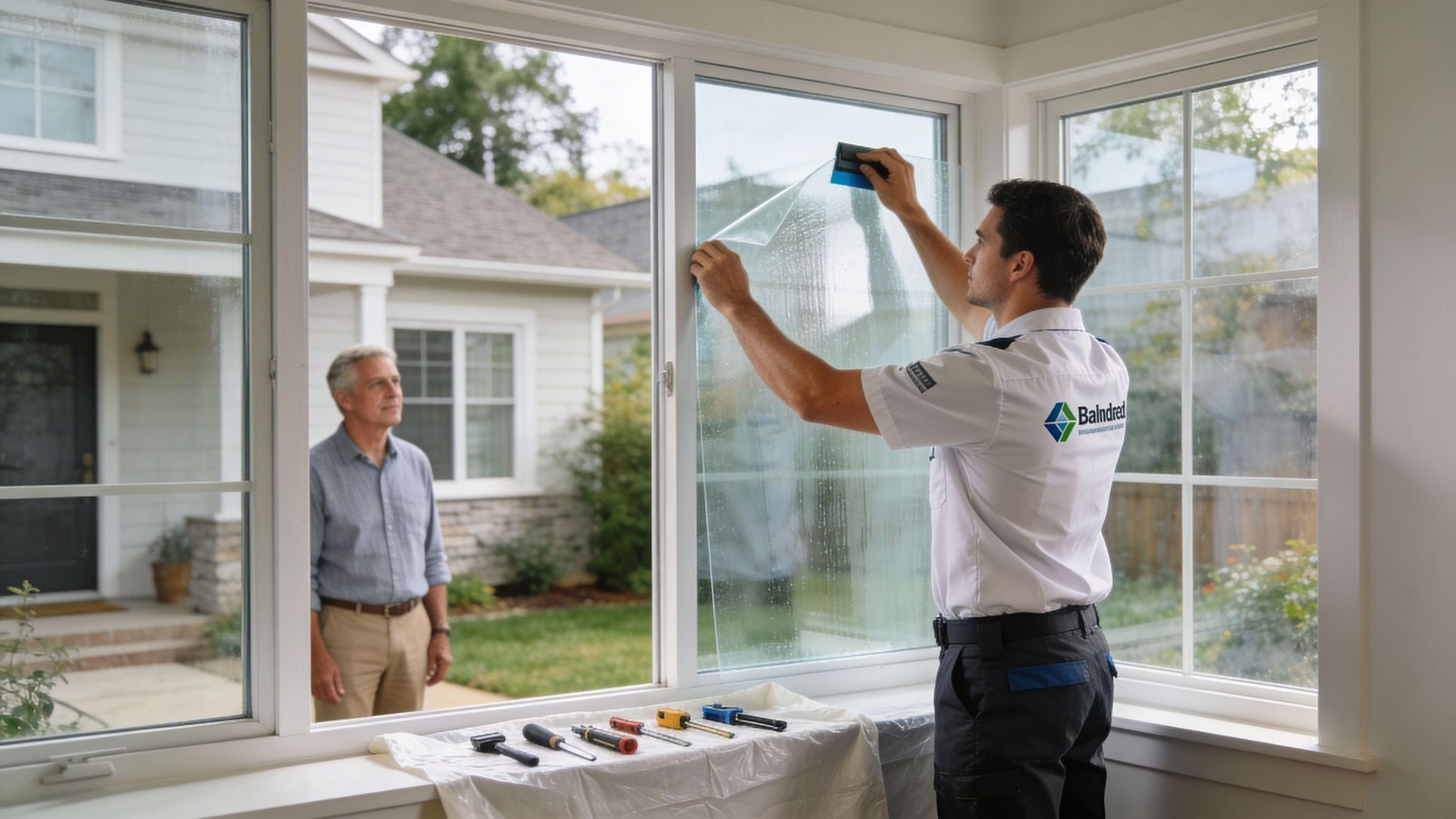
Selecting window film in 2026 does not mean sacrificing performance. LLumar Vista window film offers a wide array of products engineered for legal VLT and reflectivity, safety, and even enhanced security and energy efficiency. South Jersey Window Tinting provides expert, code-compliant recommendations for every property type and code requirement. By investing in compliant film, property owners preserve comfort, lower utility bills, and add value without risking a code violation. Get professional advice and always request legal documentation of each film’s technical specifications before installation.
Frequently Asked Questions (FAQ)
Is window film legal on all windows in New Jersey?
Most non-reflective, legal-VLT films are allowed on residential and commercial windows. Vehicle restrictions are stricter for front and rear windows.
What are VLT requirements for home windows?
No official statewide minimum, but over 30-40% is generally required by HOAs/local code for main/street-facing windows.
Can I use mirrored or highly reflective film in NJ?
No, reflective “mirror” films more than 20% exterior reflectivity are not legal for most homes or commercial properties.
What’s the difference between safety, security, and decorative film?
Safety/security films improve breakage resistance and meet impact standards; decorative films add privacy or pattern but may not qualify as safety glazing.
Do I need a permit or professional installer for code compliance?
Professional installation is strongly advised; certified products/documentation may be required in commercial or multifamily settings.
Is window tint legal for offices and storefronts?
Yes, if VLT and reflectivity meet local and state codes. Many commercial films are code-approved for safety and sun control.
Are there penalties for noncompliant installations?
Yes. Noncompliance may result in fines, citations, required removal, and trouble with insurance or resale.
Do police check vehicle window tint?
Yes, especially during routine stops or annual inspection. Only legal-VLT and DOT-marked films are permitted on front windows.
Will legal window film help with home energy efficiency?
Yes. High quality films like LLumar Vista reduce heat, glare, and UV while remaining fully compliant with New Jersey codes.
How do I know if my window film is compliant?
Work with a certified installer who provides technical data and code documentation for every film applied.
Conclusion: Key Requirements and Next Steps
In 2026, New Jersey window film laws are designed to balance safety, aesthetics, and energy efficiency for homeowners and building managers alike. By respecting VLT, reflectivity, and safety requirements, property owners can enjoy all the benefits of window film—without risking legal trouble or costly removals. For peace of mind and truly effective solutions, trust South Jersey Window Tinting. Serving
Medford, Trenton, Cherry Hill, Camden, Mount Laurel, Burlington County, Ocean County, Philadelphia, and the entire Tri State area,
South Jersey Window Tinting offers code-compliant
LLumar Vista window film and
expert installation.
Contact us today for a
free estimate and make your property safer, more comfortable, and fully compliant with 2026 New Jersey window film regulations.

Does Security Film Stop Active Shooter Threats? What South Jersey Schools and Businesses Should Know