What’s the Best Security Film for Storefronts in NJ?
Storefront glass is one of the most vulnerable parts of a commercial building. In busy retail corridors across Medford, Cherry Hill, Camden, Mount Laurel, Trenton, the Jersey Shore, Philadelphia, and surrounding Tri State areas, large glass panels are designed to attract customers, not stop forced entry. That visibility is a business advantage, but it also creates risk. Smash and grab theft, vandalism, and accidental impacts can turn a single broken pane into lost inventory, emergency boarding costs, injuries, and days of disrupted operations. Severe weather can add another layer of threat, especially when wind-driven debris or pressure changes stress older storefront systems. Modern
security window film has become a preferred glass reinforcement solution because it helps hold glass together and delay entry attempts while preserving a clean, clear storefront look. When paired with professional installation and a smart security plan,
storefront security film can deliver meaningful protection without sacrificing daylight, visibility, or brand presentation.
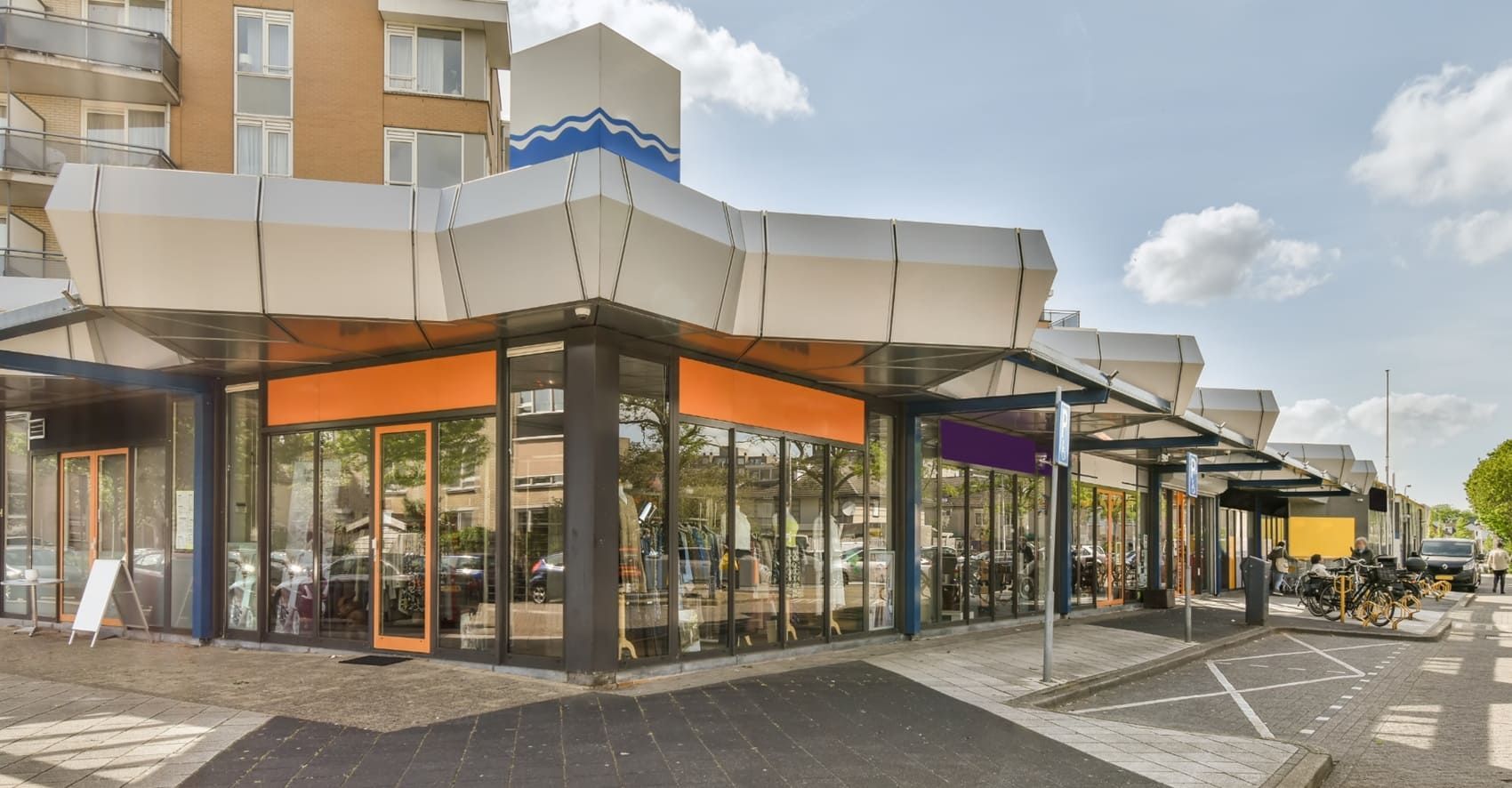
Table of Contents
1. How Security Window Film Strengthens Storefront Glass
2. Standard Window Film vs True Security Film
3. Protection Against Break-Ins, Vandalism, and Storms
4. How Film Works with Alarms and Framing
5. Thickness, Ratings, and Installation Methods Compared
6. Energy Efficiency and UV Protection Benefits
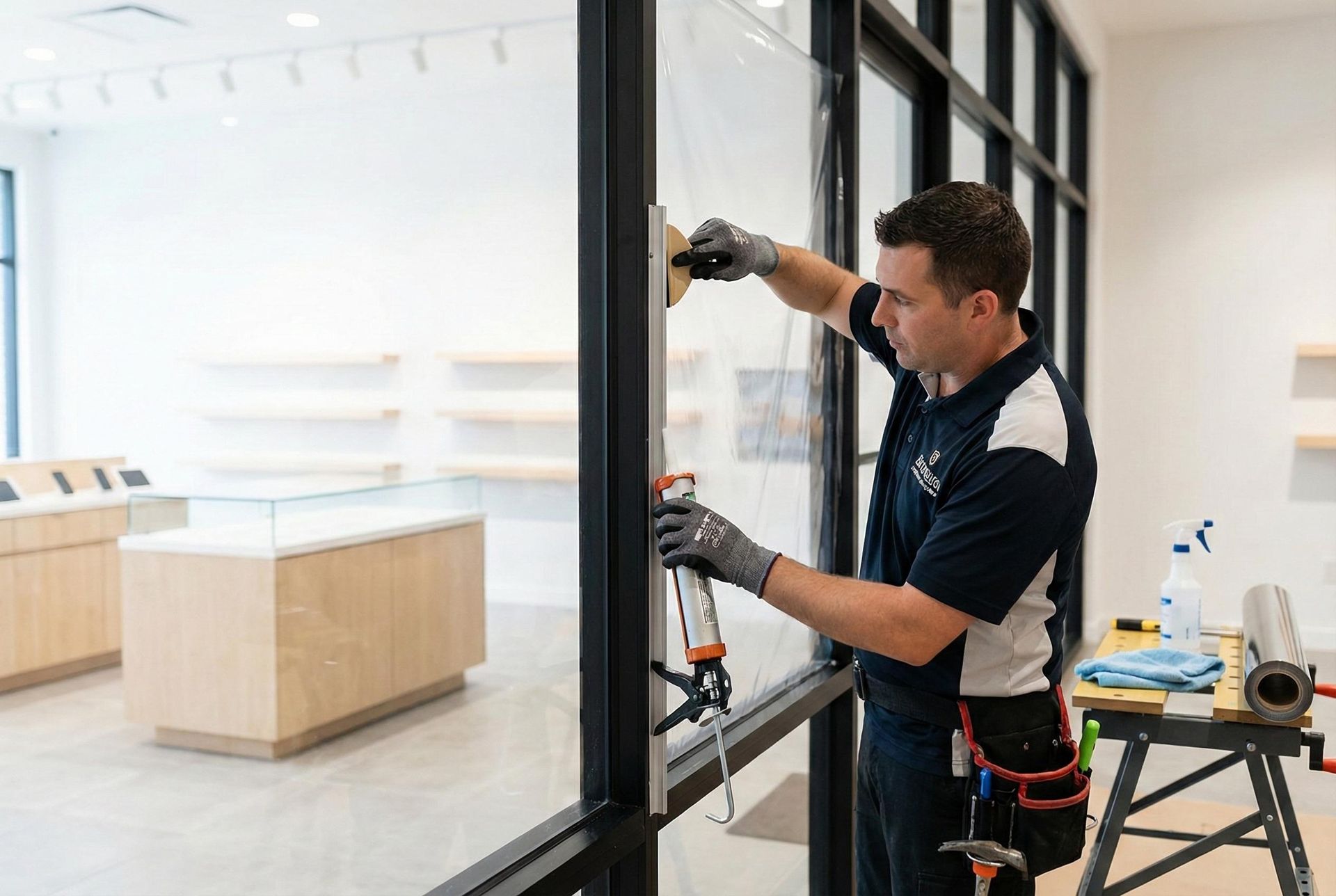
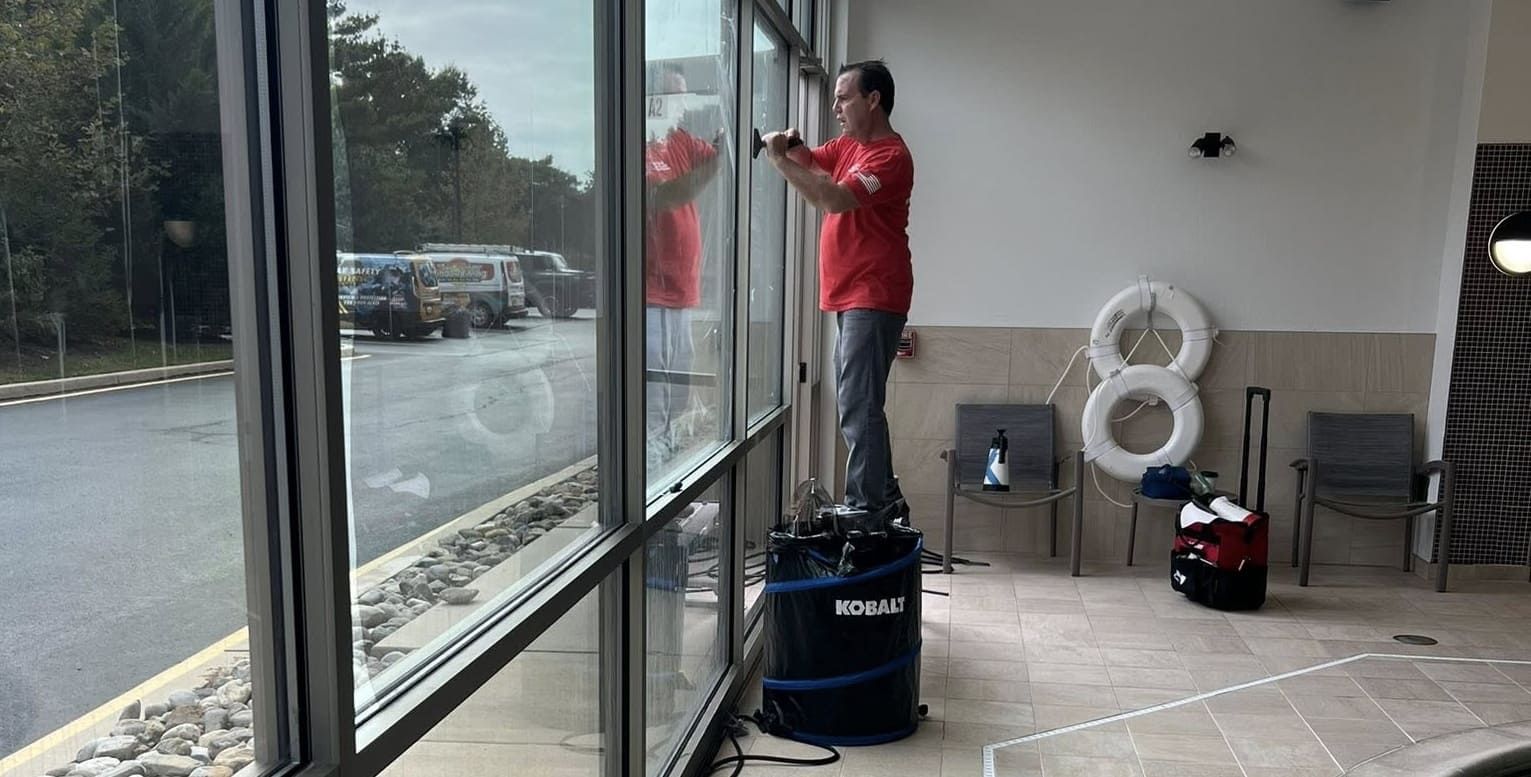
7. Why Professional Installation Is Critical
1. How Security Window Film Strengthens Storefront Glass
Security window film is a thick, high-strength polyester-based film that bonds to the interior surface of glass. Its main job is not to make glass unbreakable. Its job is to improve glass retention , meaning that when the glass is struck, the film helps hold fractured pieces together and keeps the pane from instantly falling out of the frame.
That matters for storefronts because most break-ins are time-driven. A thief typically wants quick entry, minimal noise, and a fast escape route. If glass breaks and falls away immediately, the opening is created quickly. If the film holds the fractured glass in place, it can delay entry and increase the effort required. That delay can be enough to trigger alarms, activate cameras, attract attention, and deter the attempt.
For retail owners and property managers in Burlington County and Ocean County, security film is often considered a high impact upgrade because it is applied to existing glass. You can reinforce large storefront panels without replacing the glazing system.
What changes when film is installed
- Break pattern control: Glass may crack, but the film helps keep fragments together.
- Reduced fallout: Less glass drops into the sales floor, which can reduce injury risk.
- Delayed penetration: The attacker may need repeated strikes to create an opening.
- Improved post-impact stability: The pane may remain partially intact while you secure the site.
Storefront glass types film can reinforce
Many storefronts use tempered glass. Some older or specialty systems may use laminated or insulated glass units. Security film can often be applied to these surfaces, but performance and best practices depend on the glass build, edge conditions, and frame design. That is why a professional site assessment matters before choosing the best storefront security film NJ businesses rely on.
2. Standard Window Film vs True Security Film
Not all window film is security film. Many products are designed for
solar control, glare reduction,
decorative privacy, or branding. Those can be helpful for comfort and aesthetics, but they are not the same as a film engineered and rated for forced entry delay and glass retention.
Key differences that matter for storefront protection
| Feature | Standard window film | True security film | Why it matters |
|---|---|---|---|
| Primary purpose | Heat, glare, privacy, decor | Glass retention and impact resistance | Security film is built for trauma events |
| Thickness range | Often thinner | Typically thicker | Thickness contributes to strength and retention |
| Installation method | Basic install may be enough | May require special edge solutions | Edges and frames influence real performance |
| Testing and ratings | Solar metrics focus | Safety and security testing focus | Ratings help align film to your threat model |
When business owners search “commercial security window film Medford” or “storefront glass protection Cherry Hill,” they are usually looking for a product that does three things at once: strengthen glass, keep the storefront looking professional, and reduce the odds of a costly incident. That is where a purpose-built security film matters.
South Jersey Window Tinting installs LLumar Vista security film options engineered to enhance glass strength, reduce injury risk, block harmful UV rays, and improve overall commercial building security. The right Vista film selection depends on your storefront glass size, location, and risk profile.
3. Protection Against Break-Ins, Vandalism, and Storms
Storefront security film is most valuable when you align it to the real threats your business faces. In New Jersey and the Tri State region, three major categories show up repeatedly: smash and grab theft, vandalism, and weather-related glass hazards.
Smash and grab theft
Smash and grab incidents often target retail displays near glass. Electronics, jewelry, sneakers, handbags, and high-demand goods are common targets. The attacker wants speed. Security film can slow entry by keeping fractured glass bonded and requiring additional force to clear an opening. Even if the glass breaks, the film can make it harder to reach through and remove items quickly.
Vandalism and accidental impact
Vandalism can include thrown objects, repeated hits, or attempts to break a pane for mischief. Accidental impacts happen too, such as carts, equipment, or door swings hitting adjacent glass. Film can reduce fallout and limit interior hazards when a panel fractures.
Severe weather and safety hazards
For businesses near coastal areas, storm events can bring wind pressure and debris risks. Security film is not a replacement for hurricane shutters or code-specific storm systems where required, but it can improve glass retention and reduce injury risk if a panel breaks. For hospitality and office environments, that safety benefit is often part of the ROI discussion.
Recommended applications by business type
| Environment | Primary risk | Recommended film focus |
|---|---|---|
| Retail storefronts | Smash and grab entry | Security film with strong retention and clear visibility |
| Offices and medical | Safety and privacy concerns | Security film plus UV control, optional privacy solutions |
| Hospitality | Guest safety and glass hazards | Safety and security film to reduce fallout and injury risk |
4. How Film Works with Alarms and Reinforced Framing
Security film is strongest as part of a layered security plan. Think of it as a delay tool that increases the time and effort required to create an opening. That added time becomes valuable when paired with systems that detect, record, or respond.
How security film supports alarms
If your alarm triggers on glass break sensors, door contacts, or motion detection, security film can extend the time between impact and entry. That makes it more likely that a siren, monitoring call, or police response happens while the attacker is still struggling to clear the opening.
How film supports cameras
Cameras do not stop a break-in, but they change consequences and improve investigations. When film delays entry, you often get better footage and more time for remote verification.
Why framing and edge systems matter
In real storefront attacks, glass does not fail only in the center. Attackers often work edges, corners, and areas near door hardware. The film may hold glass together, but if the panel pulls away from the frame easily, the opening can still be created. That is why some security film installations include edge attachment or anchoring solutions that improve how the filmed glass behaves under load.
For property managers evaluating Burlington County commercial window film , the biggest performance gains typically come from choosing a film and installation method that matches the storefront system, not from choosing the thickest film blindly.
5. Thickness, Ratings, and Installation Methods Compared
Security film selection is often discussed in terms of thickness, typically measured in mil. Thicker films generally provide stronger retention and durability, but performance also depends on film construction, adhesive system, and installation quality.
Typical security film thickness levels and use cases
| Film thickness (mil) | Best fit | What it is designed to do | Common storefront use |
|---|---|---|---|
| 4 mil | Safety focused upgrades | Reduce fallout and glass hazards | Interior glazing, lower risk areas |
| 8 mil | Balanced security and clarity | Delay entry and improve retention | Typical retail storefront glass |
| 12 mil to 15 mil | Higher risk properties | Stronger retention and resistance | High-value retail, repeated incidents |
Performance ratings and what to look for
Security films and systems may reference different standards depending on intended use. Rather than chasing a single number, align testing and ratings with your objective:
- Safety retention: How well the film holds glass together after impact.
- Forced entry delay: How long it can take to create a pass-through opening.
- Optical quality: Clarity, haze, and distortion on large storefront panels.
- Scratch resistance and durability: Important for high-traffic storefront environments.
Installation methods that change outcomes
Installation is not only about applying film to glass. It can include how the film is finished, how edges are handled, and whether the system includes attachment methods that improve retention within the frame. In a real event, edge performance is often the deciding factor.
6. Energy Efficiency and UV Protection Benefits for Commercial Properties
Many business owners start with security concerns but quickly realize that film can deliver additional
benefits. While security film is chosen for strength and retention, many solutions also help with solar exposure, interior fading, and comfort.
UV protection and interior preservation
UV light contributes to fading of retail displays, merchandise packaging, flooring, furniture, and printed signage. A clear security film solution can help reduce UV exposure and protect interior assets without darkening the storefront appearance.
Solar comfort and operational efficiency
Depending on product selection, film can also influence heat gain and glare. For retail spaces with large west-facing storefronts in Cherry Hill, Mount Laurel, or along the Jersey Shore, glare can affect customer experience and employee comfort. Energy savings vary based on glazing, orientation, and HVAC conditions, but reducing solar load can support more consistent comfort.
UV and comfort comparison table (conceptual)
Exact values depend on the LLumar Vista security film option selected. Use this as a planning guide during your consultation.
| Benefit | What to ask about | Why it matters for storefronts |
|---|---|---|
| UV reduction | UV rejection performance | Protects displays and reduces fading |
| Glare comfort | Visible light and glare reduction | Improves customer visibility and staff comfort |
| Heat management | Solar performance metrics | Supports HVAC efficiency and comfort |
If your priority is both security and solar control, your installer can recommend the best combination approach, including security film on vulnerable panels and complementary films on other glass where it makes sense.
7. Why Professional Installation Is Critical for Maximum Performance
Storefront glass is high-visibility. It is also high-stakes. Poor installation can reduce clarity, create noticeable defects, and limit performance during an impact. Professional installation is critical for three reasons: optics , edge performance , and system matching .
Optical clarity and presentation
Retail storefronts depend on clean sightlines. A professional installer controls contamination, moisture, and curing so the finished glass remains clear. This matters even more on large panels where haze or debris is easy to spot.
Edge finishing and attachment considerations
The strongest film can still fail early if edges are poorly finished or if the filmed pane can pull away from the frame. Professional installers understand when to recommend additional attachment methods based on the storefront system and risk level.
Correct film selection for your threat model
The “best storefront security film NJ” is not a single product for every business. A jewelry store in Philadelphia, a boutique in Medford, and a restaurant near the Jersey Shore can face different threats. A professional assessment helps you match film thickness, construction, and installation method to your environment.
South Jersey Window Tinting provides commercial assessments and installs
LLumar Vista Window Film security solutions engineered to enhance glass strength, reduce injury risk, block harmful UV rays, and improve overall commercial building security. If you need
commercial security window film in Medford, or storefront glass protection in Cherry Hill, we can recommend a plan that fits your building and operations.
FAQ: Storefront Security Film in New Jersey
How does security film prevent break-ins?
Security film helps hold cracked glass together and can delay entry by making it harder to quickly create an opening. The added time improves the effectiveness of alarms, cameras, and response.
Does security film make storefront glass shatterproof?
No. Glass can still break. The goal is retention and delay, meaning the film helps keep fragments together and slows penetration.
How long does security window film last?
Lifespan depends on product selection, sun exposure, cleaning practices, and installation quality. A professional installer can advise based on your storefront orientation and conditions.
Will security film change my storefront visibility?
Many security films are clear and designed to preserve visibility. Optical clarity depends on the specific film and professional installation.
Can security film protect against smash and grab theft?
It can help by delaying entry and reducing the ability to quickly reach through and remove items. It is most effective when combined with layered security.
Is thicker security film always better?
Not always. Thickness helps, but storefront performance also depends on frame design, glass type, and edge behavior. The best solution matches the system.
Does security film help with storm damage?
It can improve glass retention if a panel breaks and reduce interior hazards. It is not a replacement for code-required storm systems where applicable.
What maintenance does security film require?
Use film-safe cleaning methods, avoid abrasive tools, and follow your installer’s cure-time guidance. Ask for recommended cleaners for commercial glass.
What warranty coverage should I expect?
Warranty varies by film and installation context. Your installer should provide written warranty details for both product and labor where applicable.
How do I choose the best film for my storefront in NJ?
Start with a site assessment that considers your glass size, frame type, local incident history, and business type. Then choose an LLumar Vista security film option that fits your risk profile.
Conclusion and Free Estimate CTA
For many New Jersey businesses, security window film is one of the most effective storefront protection upgrades because it reinforces existing glass, delays forced entry, reduces injury risk from shattered glass, and preserves the clean visibility customers expect. When you
choose the right film thickness and installation method, and pair it with alarms, cameras, and solid storefront framing, you create a stronger barrier against break-ins, vandalism, severe weather hazards, and safety incidents.
If you are searching for the best storefront security film NJ businesses trust, or you need commercial security window film Medford property support,
contact South Jersey Window Tinting. We install LLumar Vista security film solutions engineered to enhance glass strength, reduce injury risk, block harmful UV rays, and improve overall commercial building security. Business owners across
Medford, Jersey Shore, Trenton, Cherry Hill, Camden, Mount Laurel, Philadelphia, Burlington County, Ocean County, and nearby Tri State areas can reach out today for a
free estimate and a storefront protection plan tailored to your property and operations.
Does Security Film Stop Active Shooter Threats? What South Jersey Schools and Businesses Should Know