How Long Does Security Window Film Last in New Jersey Weather?
New Jersey weather puts building materials through a full stress test each year. Hot, humid summers can bake glass and frames for months, while cold winters bring freezing nights, dry air, and rapid temperature swings. Add coastal moisture, nor’easters, heavy rain, and the occasional hail or wind driven debris, and it is fair to ask how long any protective upgrade will last. Security
window film is engineered for durability and long term performance, but its real world lifespan depends on product quality, correct installation, the condition of the glass, and how much environmental exposure a window receives. If you are a
homeowner,
business owner, or property manager in
Medford, Trenton, Cherry Hill, Camden, Mount Laurel, Burlington County, Ocean County, Philadelphia, or the nearby Tri State area, understanding longevity and warranty coverage is essential before investing. This guide explains what affects security window film lifespan in New Jersey, what to expect over time, and how to protect your investment with the right film, maintenance, and professional installation.
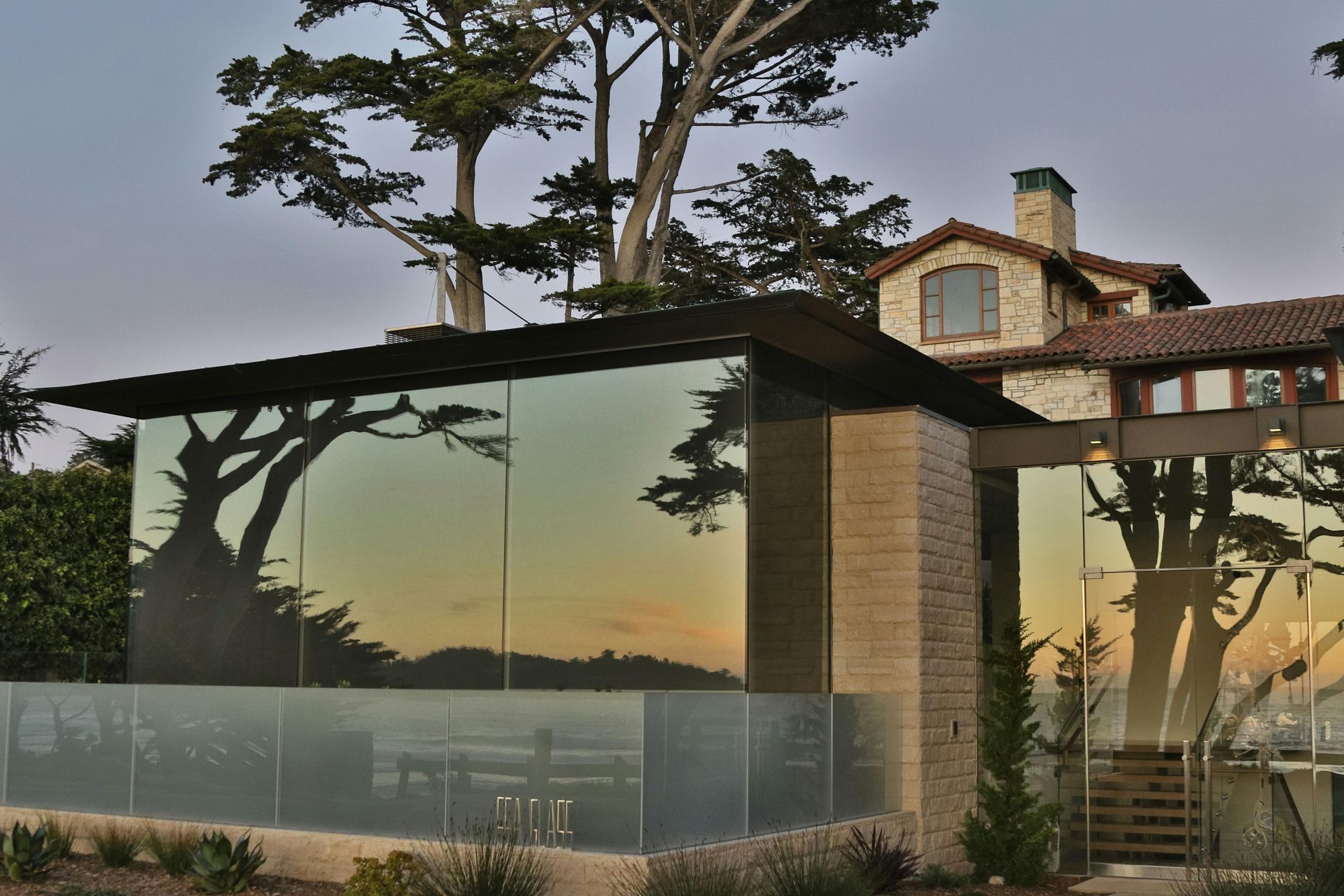
Table of Contents
- What security window film is and how it works
- Typical lifespan in NJ for homes and businesses
- How New Jersey climate impacts film performance
- Key factors that influence longevity
- Maintenance practices that extend film life
- Signs security film needs replacement
- Warranties, coverage, and long term value
- FAQ
- Conclusion and next steps
1) What security window film is and how it works
Security window film is a thick, multi layer polyester film that bonds to interior glass to help hold it together when it breaks. Unlike standard
decorative films, security film is designed to add impact resistance and delay forced entry by making glass harder to penetrate quickly. The goal is not to make glass unbreakable. The goal is to reduce the speed and ease of breakage, keep dangerous shards more contained, and buy time for occupants to respond, alarms to trigger, and first responders to arrive.
When installed correctly, security film forms a strong adhesive bond to the glass. If a window is struck, the film helps retain the broken glass fragments as a single sheet rather than allowing the pane to shatter and fall away. In many applications, anchoring systems can be used to help keep the filmed glass attached to the frame, improving performance when the glass breaks near the edges. This is especially relevant for commercial storefronts, schools, offices, and ground floor residential windows.
For property owners comparing options, security film can also provide UV protection and glare reduction, depending on the specific product. Many modern
safety and security films are paired with
solar control benefits, which helps support comfort and interior protection from fading. If your search includes phrases like
security window film lifespan New Jersey, how long does security film last, or window film durability Northeast climate, the product family you choose matters as much as the weather conditions outside.
South Jersey Window Tinting installs LLumar Vista Window Film products engineered for durability, safety, UV protection, and long term performance across residential and commercial properties. Product quality is one of the most controllable predictors of how long a security film system can perform well in New Jersey.
2) Typical lifespan in NJ for residential and commercial use
Most high quality professionally installed security window films are designed to last for many years. In real world Northeast conditions, a common expectation is roughly 10 to 20 years of service life, depending on exposure, film type, and maintenance. Some installations can last longer, especially on windows with less direct sun, stable indoor temperatures, and lower humidity. Others may show wear earlier if they face intense afternoon sun, condensation, harsh cleaning habits, or building envelope issues that stress the glass and sealants.
Residential expectations. In homes across Medford, Cherry Hill, Mount Laurel, Burlington County, and Ocean County, security film often lasts in the 12 to 20 year range when installed on modern glass in climate controlled interiors. Bedrooms and north facing windows frequently see longer performance windows, while south and west facing glass with strong summer solar load can shorten the cosmetic lifespan due to higher heat cycles.
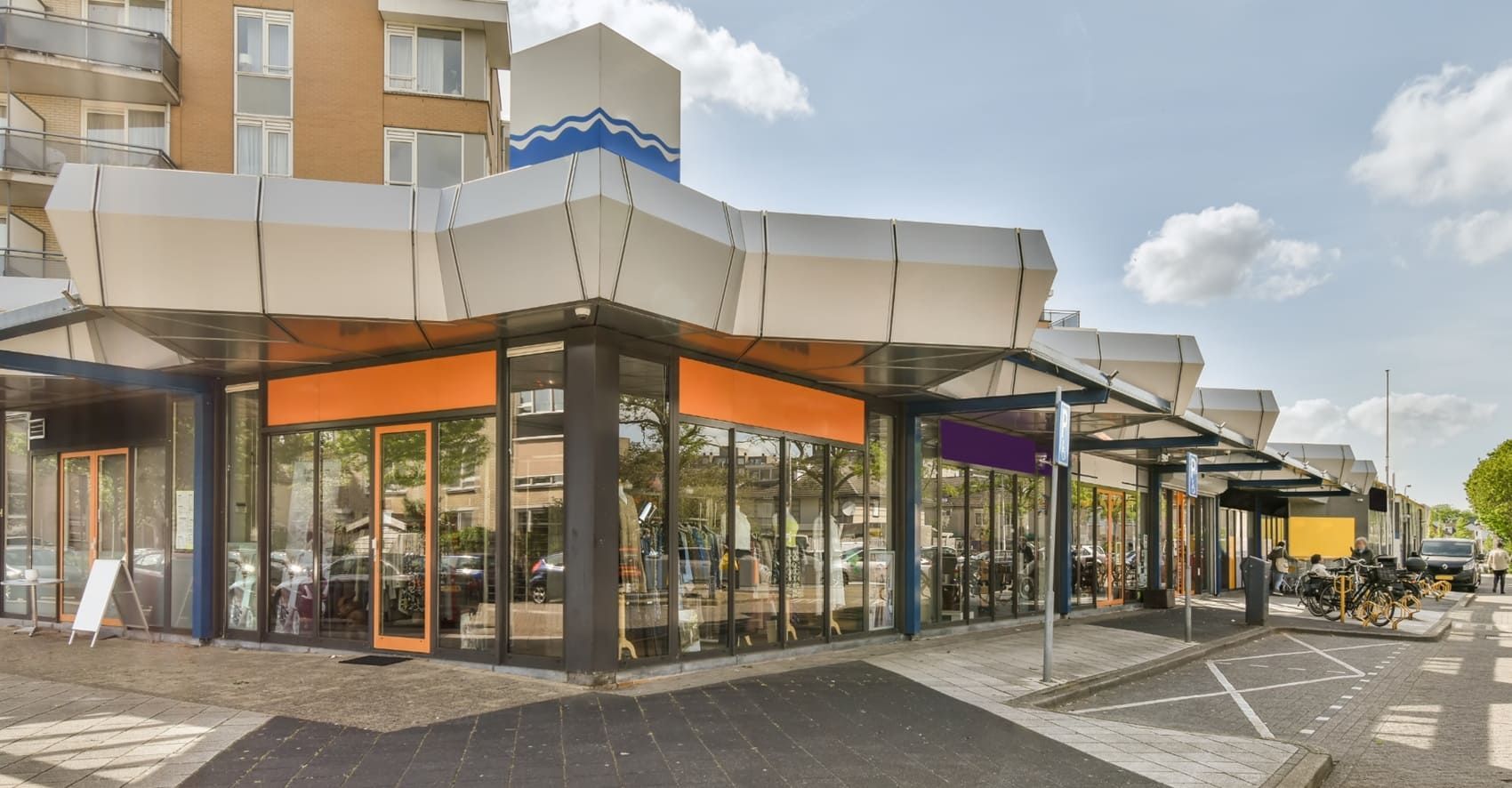
Commercial expectations. For commercial window film South Jersey applications such as storefronts, offices, and property management portfolios in Camden, Trenton, and Philadelphia, lifespan often trends toward 10 to 15 years on high traffic, high exposure glass. The reason is not only weather. It is also cleaning frequency, more frequent contact near the glass, and building use patterns. Storefront glazing can also include complex glass types and larger panes that expand and contract more noticeably in seasonal swings.
Vehicles vs buildings. Automotive safety and security film for cars can have a different lifespan profile due to constant UV exposure, higher temperature swings inside vehicles, and more frequent abrasions. This article focuses on building glass performance in New Jersey weather, but the same principle applies. The more heat cycling and UV exposure a film sees, the more critical film selection and installation quality become.
3) How New Jersey weather affects window film performance
New Jersey’s climate is not just hot or cold. It is the constant change that matters. Security film is built to handle temperature variation, but repeated cycles of expansion and contraction influence adhesives, glass stress, and long term appearance. Below are the major environmental drivers that shape window film durability in a Northeast climate.
Environmental factors at a glance
- UV exposure: South and west facing windows in summer receive intense UV and heat that can accelerate aging of lower quality films.
- Temperature swings: Rapid shifts between warm indoor heat and freezing outdoor air can stress glass edges and the film to glass bond.
- Humidity and condensation: Moisture on interior glass can affect curing, edge adhesion, and long term clarity if underlying conditions are not addressed.
- Storm events: Wind driven debris, pressure changes, and impact events test film’s containment role more than its cosmetic life.
- Salt air (coastal areas): Ocean County and shore regions can experience more corrosion and moisture related building envelope issues.
Hot summers and solar load. July and August conditions can drive high glass temperatures, especially on large picture windows and storefronts. The film itself is on the interior side, but it still experiences heat transmitted through the glass. Over many seasons, that repeated heating can contribute to gradual changes in appearance if a film is not engineered for higher heat. Premium products like LLumar Vista window film NJ options are designed to handle demanding environments more reliably than entry level films.
Cold winters and dry indoor heat. In winter, indoor heating can reduce relative humidity, while outdoor temperatures drop below freezing. This increases temperature differential across the glass. Older single pane or poorly sealed windows can also develop more condensation, especially in bathrooms, kitchens, and commercial entry areas. Condensation does not automatically ruin film, but persistent moisture at edges and seals can shorten lifespan if the underlying causes are not corrected.
Spring and fall swings. Shoulder seasons are where many Northeast buildings see rapid day to night shifts. Warm afternoons followed by cold nights can create repeated expansion and contraction cycles. Over a decade, this cycling can influence edge adhesion on improperly installed film or on glass with existing issues such as chips, scratches, or failing seals.
Storms and severe weather. Thunderstorms, nor’easters, and wind events are relevant because security film is often selected for safety. Film performance during impact is not the same as long term cosmetic life, but major events can create conditions that warrant inspection. After severe storms, check for frame movement, cracked glass, or water intrusion, since those building issues can affect film adhesion and clarity over time.
4) Factors that influence longevity the most
If you want the most accurate answer to how long does security film last in New Jersey, focus on the variables that have the biggest impact. Weather matters, but it interacts with installation and building conditions. The following factors are the most important predictors of lifespan.
Film type and thickness. Security films are typically thicker than standard solar films. Thickness can improve impact performance, but it can also make installation more complex. A high quality, properly engineered thick film can last a long time. A lower grade thick film installed poorly can fail early. The best approach is to select a proven product line and match it to the glass type and risk profile of the property.
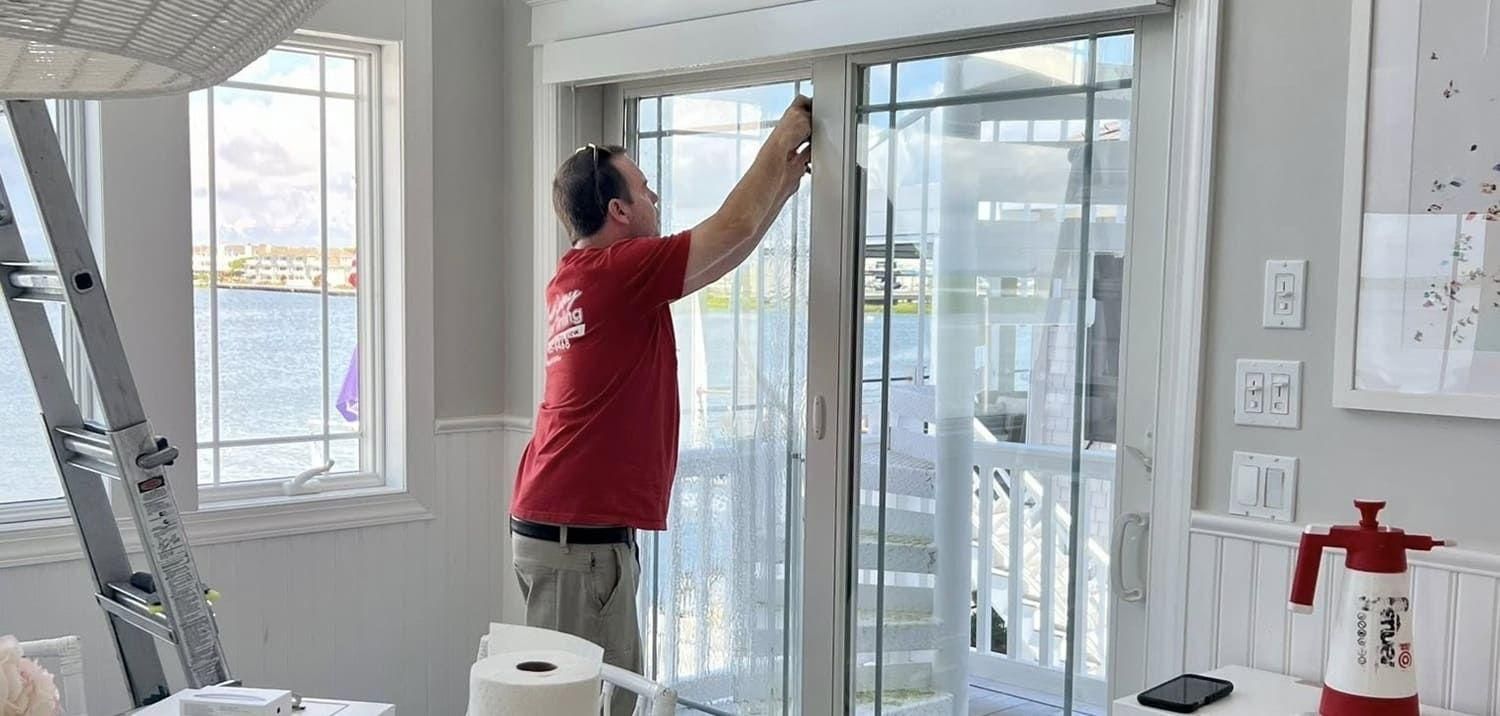
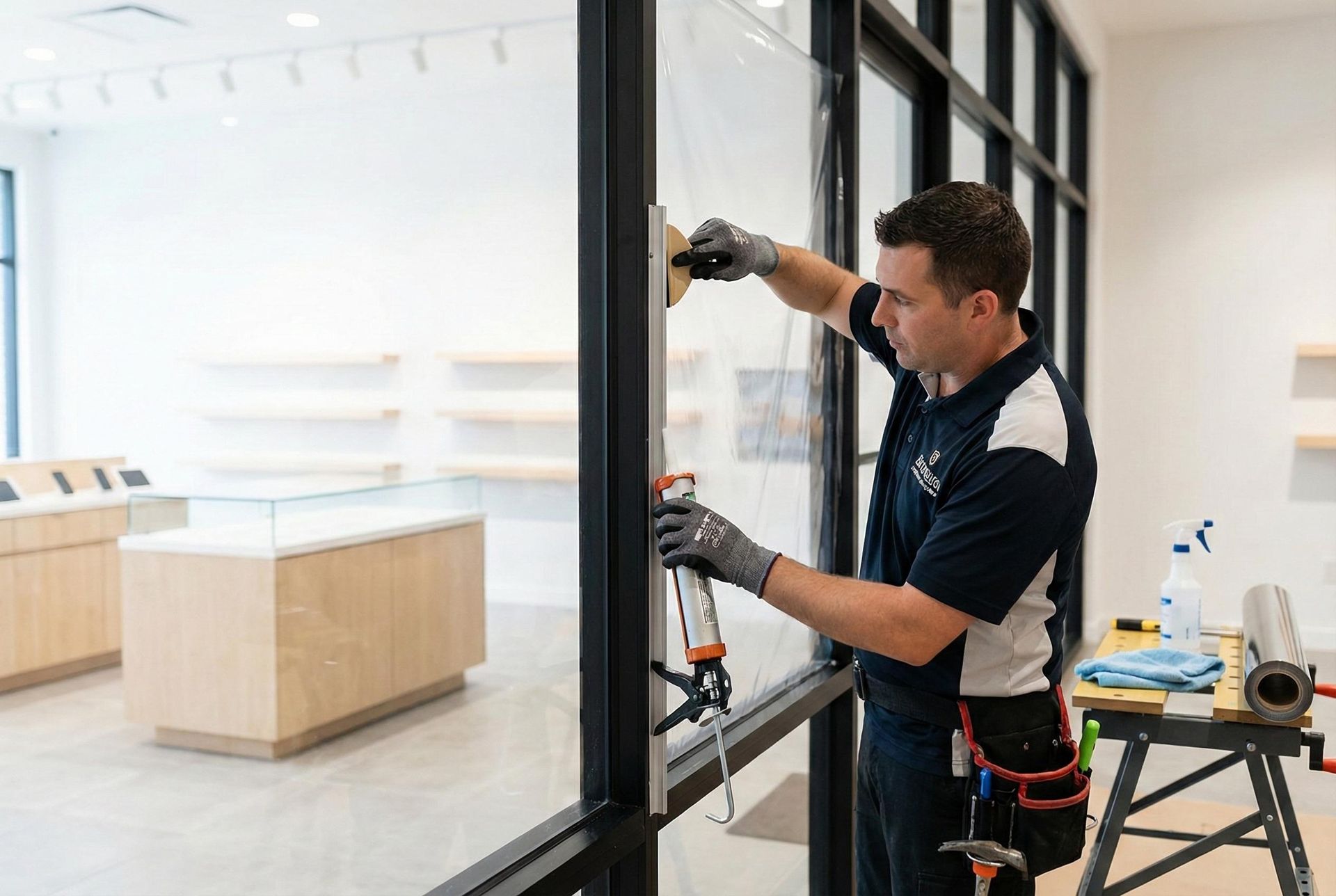
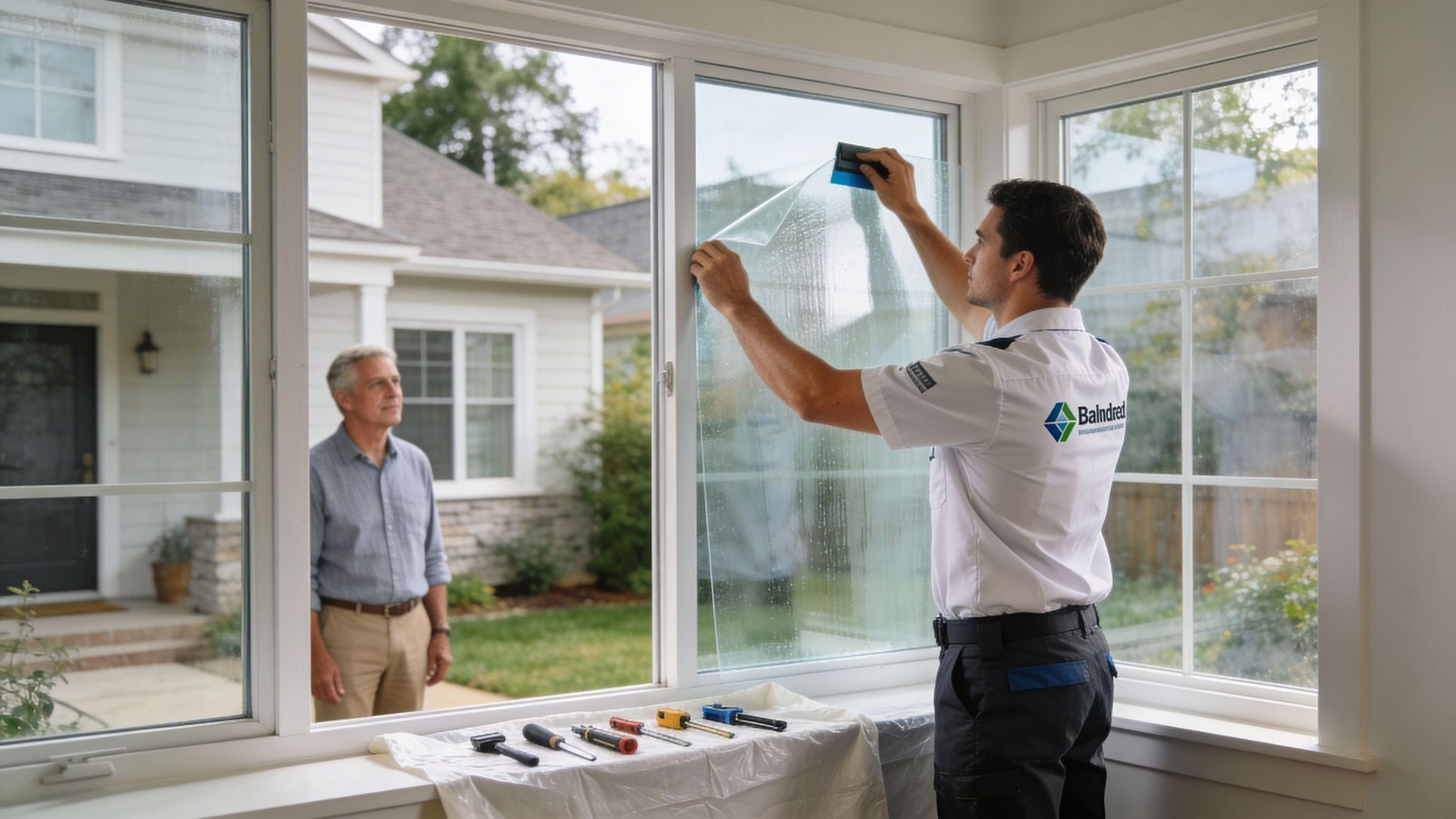
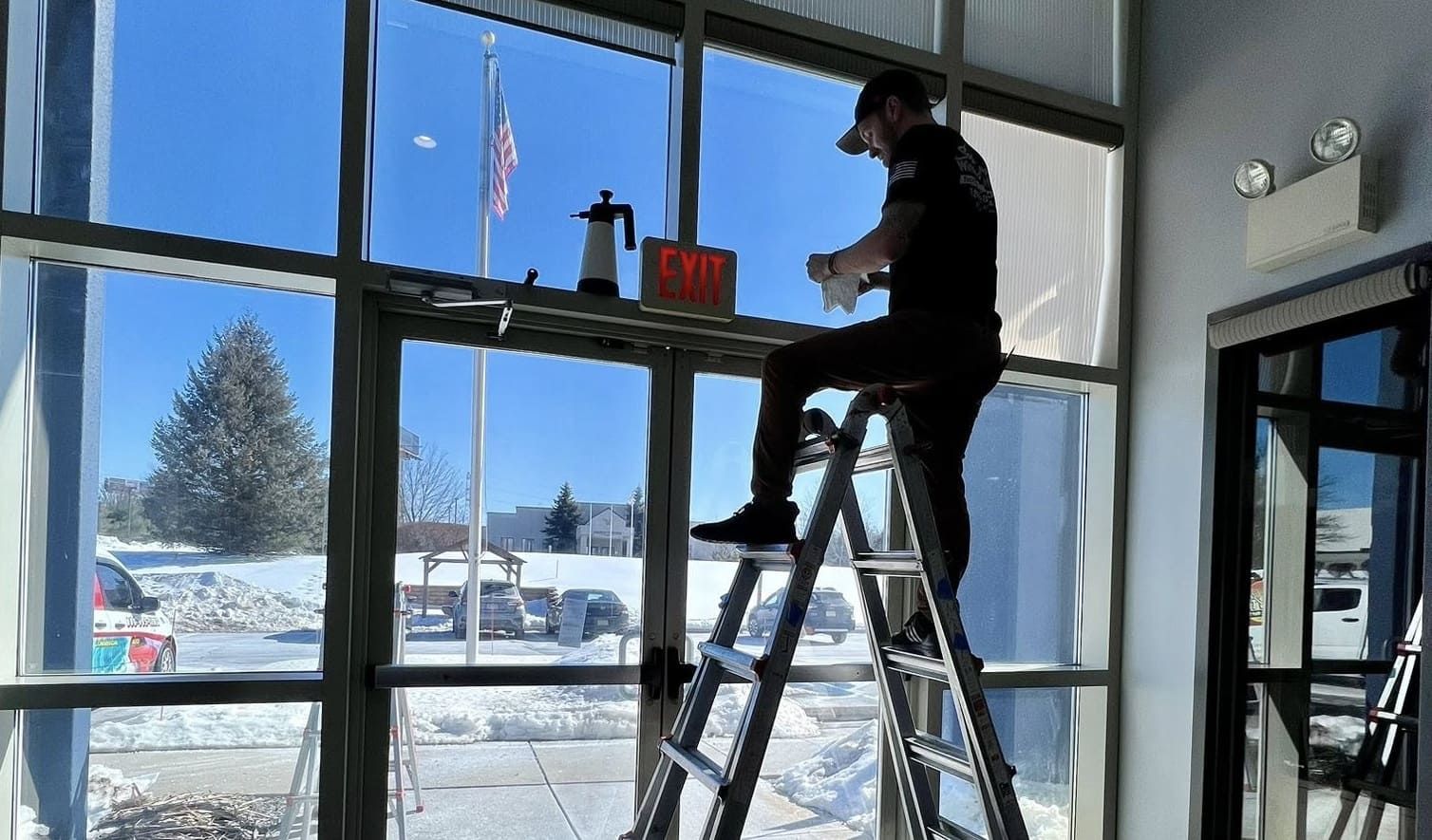
Installation quality and edge work. Poor cleaning, trapped debris, incorrect solution mix, or rushed squeegee technique can lead to bubbles, haze, and edge lifting that appears sooner in seasonal climates. Professional installation also matters because security film requires precise adhesion and, in some cases, compatible anchoring solutions. If the goal is burglary delay and shard containment, correct installation is essential to performance and longevity.
Glass condition and window age. Old glass with scratches, mineral deposits, or seal failure can reduce adhesion and clarity. Double pane units with failing seals may show fogging between panes that film cannot fix. It is better to address glass problems first than to install film over a failing unit.
Orientation and shading. South and west facing exposures usually age faster due to solar load. Trees, overhangs, and exterior shading can extend film life by reducing peak glass temperature. In commercial properties, awnings and recessed storefront designs can reduce direct sun, which often improves window film durability Northeast climate expectations.
Interior conditions. High indoor humidity, frequent condensation, and aggressive chemical exposure can shorten lifespan. Examples include pool facilities, gyms, restaurants, and locations that use strong cleaners. If your property falls into these categories, specify that when requesting a quote so the film and installation approach can be tailored.
5) Maintenance practices that extend security film lifespan
Maintenance is one of the simplest ways to protect your investment. The good news is that security film maintenance is not complicated. The key is avoiding damage to the surface and edges and using safe cleaning methods.
Wait for full cure before cleaning. After installation, film needs time to cure. Cure time varies by season. In winter, it can take longer due to cooler glass and lower sunlight. During curing, you may see small water pockets or a slight haze that fades as moisture evaporates. Avoid aggressive cleaning until the installer confirms the curing window.
Use the right cleaning products. Use a soft microfiber cloth and a gentle cleaner that is safe for window film. Avoid abrasive pads, scrapers, or high ammonia products unless specifically approved. Repeated abrasive cleaning can create fine scratches that reduce clarity and can make a film look older than it is.
Protect the edges. Edges are where most early failures show up, usually as lifting. Do not pick at edges or use blades near the film line. In commercial spaces, train cleaning staff on film safe practices. Edge damage is preventable and can meaningfully extend lifespan.
Control condensation and moisture. If you regularly have condensation on interior glass, address ventilation, humidity control, and window seal condition. Persistent moisture can weaken edge adhesion over time. Bathrooms and kitchens benefit from exhaust fans and better airflow.
Schedule periodic inspections. For property managers in Burlington County, Camden, Trenton, and Philadelphia, a periodic check is useful. Look for edge lift, bubbling, or discoloration. Catching small issues early can prevent larger replacements later.
6) Signs your security film may need replacement
A security film can continue to provide safety benefits even if it shows minor cosmetic aging, but there are clear signs that replacement or professional evaluation is warranted. If you see these, request an inspection.
- Persistent bubbling or widespread hazing: Small cure related water pockets soon after installation can be normal. Persistent bubbles months later are not.
- Edge lifting: Lifting can allow moisture and debris intrusion and can reduce performance where it matters most.
- Adhesive failure or delamination: This may appear as a cloudy layer separation or streaking that does not clean off.
- Discoloration: Premium films resist discoloration better, but severe yellowing or uneven tint can indicate aging or incompatible cleaners.
- Scratches and abrasion: Heavy scratching can impact visibility and appearance, especially in retail or office environments.
- After glass replacement: If the glass is replaced due to a break, the film on that pane must be replaced as well.
If you experienced a storm event, attempted break in, or impact, inspect the glazing and frames. Even if the film did its job, damaged glass or frame movement can create long term adhesion issues if left unaddressed.
7) Warranties, coverage, and long term value in New Jersey
Warranties are a major part of the total value of security window film, especially for customers thinking long term. Coverage varies by product and application, so verify the specific warranty terms for your selected LLumar Vista Window Film product and whether the setting is residential or commercial.
What warranties commonly cover. Many manufacturer warranties cover defects such as peeling, cracking, bubbling, delamination, and discoloration under normal conditions when installed by an authorized professional. Some warranties differentiate between residential and commercial installations or between film families. Your installer should provide documentation and explain what is covered and what maintenance is required to keep coverage valid.
What warranties may not cover. Warranties often exclude damage from improper cleaning, abrasions, vandalism, building movement, or glass problems that develop later. If the glass seal fails and moisture forms between panes, film on the interior surface is not the cause. However, that glass issue can affect clarity and may influence your decision to replace the window unit.
Value in the Northeast climate. When assessing cost versus benefit, think in terms of a decade or more. Security film can reduce injury risk, delay forced entry, and protect occupants and property. For businesses and multi unit properties, it can also support risk management goals. When installed correctly and maintained well, the long service life can make the annualized cost very attractive compared to repeated repairs or security incidents.
Comparison table: standard solar film vs security film
This structured comparison helps clarify what you are buying and why security film is different from typical
solar control film.
- Standard Solar Film
- Typical thickness: Thin to medium (varies by product)
- Durability focus: Heat and glare control
- Typical lifespan: Often 8 to 15 years in Northeast climates
- UV protection: High on quality products
- Typical warranty coverage: Product defect coverage varies by line
- Security Window Film
- Typical thickness: Thicker multi layer construction
- Durability focus: Impact, shard retention, forced entry delay
- Typical lifespan: Often 10 to 20 years in NJ conditions
- UV protection: High, often paired with solar benefits
- Typical warranty coverage: Often includes peeling, bubbling, delamination terms
Expected performance timeline in Northeast climates
- Years 1 to 3: Film should look clear and stable after curing. Early issues usually trace to installation quality or glass contamination.
- Years 4 to 9: Most premium films remain cosmetically strong. Maintenance habits become the main differentiator.
- Years 10 to 15: Some high exposure windows may show mild aging. Many installations continue performing well.
- Years 16 to 20: Lower exposure areas may still look excellent. High exposure areas may be candidates for refresh depending on appearance goals.
FAQ: Security window film lifespan in New Jersey
How long does security window film last in cold climates?
In cold climates like New Jersey, premium security film commonly lasts 10 to 20 years. Lifespan depends on exposure, glass condition, and maintenance.
Does New Jersey humidity reduce window film durability?
Humidity can contribute to condensation and edge moisture. If ventilation is poor or seals fail, longevity can decrease, especially at edges.
How long does security film last on south facing windows?
South facing windows receive the most solar load. Expect the upper end with premium films and good maintenance, but high exposure can shorten cosmetic life.
Does security film need replacement after storms?
Not automatically. After severe storms, inspect glass, seals, and frames. Replace film if glass is replaced or if adhesion and clarity are compromised.
Can security film peel over time?
Edge peeling is often linked to installation issues, moisture, or abrasion. Quality installation and proper cleaning reduce the risk.
Do warranties cover bubbling or delamination?
Many manufacturer warranties cover bubbling or delamination from product defects when professionally installed. Confirm terms for your specific film.
Do warranties cover discoloration?
Many premium films include discoloration coverage under normal conditions. Harsh cleaners and abrasion may be excluded.
How does maintenance affect film lifespan?
Gentle cleaning, microfiber cloths, and avoiding abrasives can significantly extend appearance and performance over time.
Is security film the same as standard solar film?
No. Solar film focuses on heat and glare. Security film is thicker and designed for impact resistance and shard retention.
Will security film protect against UV in New Jersey?
Yes, many security films provide high UV rejection which helps protect interiors from fading.
Does security film work on older double pane windows?
It can, but failing seals or fogging between panes should be addressed first. Glass condition affects results and longevity.
Can security film be installed on storefront glass?
Yes. Commercial window film South Jersey installations are common, but glass type and frame conditions should be evaluated.
What is the long term value of security film?
When annualized over 10 to 20 years, security film can deliver strong value by reducing injury risk and delaying forced entry.
Should I choose anchoring systems for better performance?
Anchoring can improve how filmed glass stays attached to the frame after breakage. It is a good discussion point for higher risk areas.
What is the best way to estimate my film lifespan?
Have a professional evaluate orientation, glass type, age, and exposure. This yields a more accurate expectation for your property.
Conclusion: what to expect and what to do next
So, how long does security window film last in New Jersey weather? For most homes and commercial properties, a realistic expectation for premium, professionally installed security film is about 10 to 20 years, with variation based on sun exposure, humidity, glass condition, and maintenance. New Jersey’s hot summers, cold winters,
storms, and humidity can accelerate aging on high exposure glass, but the right product and correct installation make a measurable difference. That is why film selection, installation quality, and warranty coverage should be part of every buying decision.
If you are in
Medford, Trenton, Cherry Hill, Camden, Mount Laurel, Burlington County, Ocean County, Philadelphia, or the nearby Tri State area and you want long lasting protection, safety, and UV performance,
contact South Jersey Window Tinting for a
free estimate. Our team installs LLumar Vista Window Film products engineered for durability and long term performance across residential and commercial properties, with expert guidance on the right option for your glass, exposure, and security goals.
Does Security Film Stop Active Shooter Threats? What South Jersey Schools and Businesses Should Know