Blast-Resistant Window Film in NJ: How It Protects Businesses From Flying Glass
If an explosion, storm, or vehicle impact shattered your storefront tomorrow, where would the glass go? In most buildings, the answer is straight into the people inside. Blast-resistant window film is one of the most affordable ways New Jersey businesses can change that outcome, and it goes onto the windows you already have.
Here is the short answer: blast-resistant window film is a thick, optically clear polyester laminate bonded to the inside of existing glass. When the glass breaks, the film holds the fragments together so they don't fly into the room as sharp, high-speed debris. It doesn't make glass unbreakable, but it greatly reduces the injuries, damage, and cleanup that follow a blast or impact.
At South Jersey Window Tinting in Medford, we have installed safety and security films for businesses across Burlington County, Camden County, Ocean County, Trenton, Cherry Hill, and the greater Philadelphia area since 1985. This guide explains how blast mitigation film works, which attachment systems matter, which businesses need it most, what it costs, and how to choose the right protection level for your building.
What Does Blast-Resistant Window Film Do?
Blast-resistant window film (also called blast mitigation film or security laminate) protects a building in five main ways:
- Holds shattered glass together so it stays in or near the frame instead of becoming shrapnel
- Reduces injuries from flying glass, which cause most harm to occupants in a blast
- Slows forced entry by making smash-and-grab break-ins louder, harder, and slower
- Protects interiors such as computers, merchandise, carpeting, and furniture from glass and debris
- Blocks up to 99% of UV rays, and solar-control versions also cut heat and glare
Why Glass Is the Weakest Point in Any Commercial Building
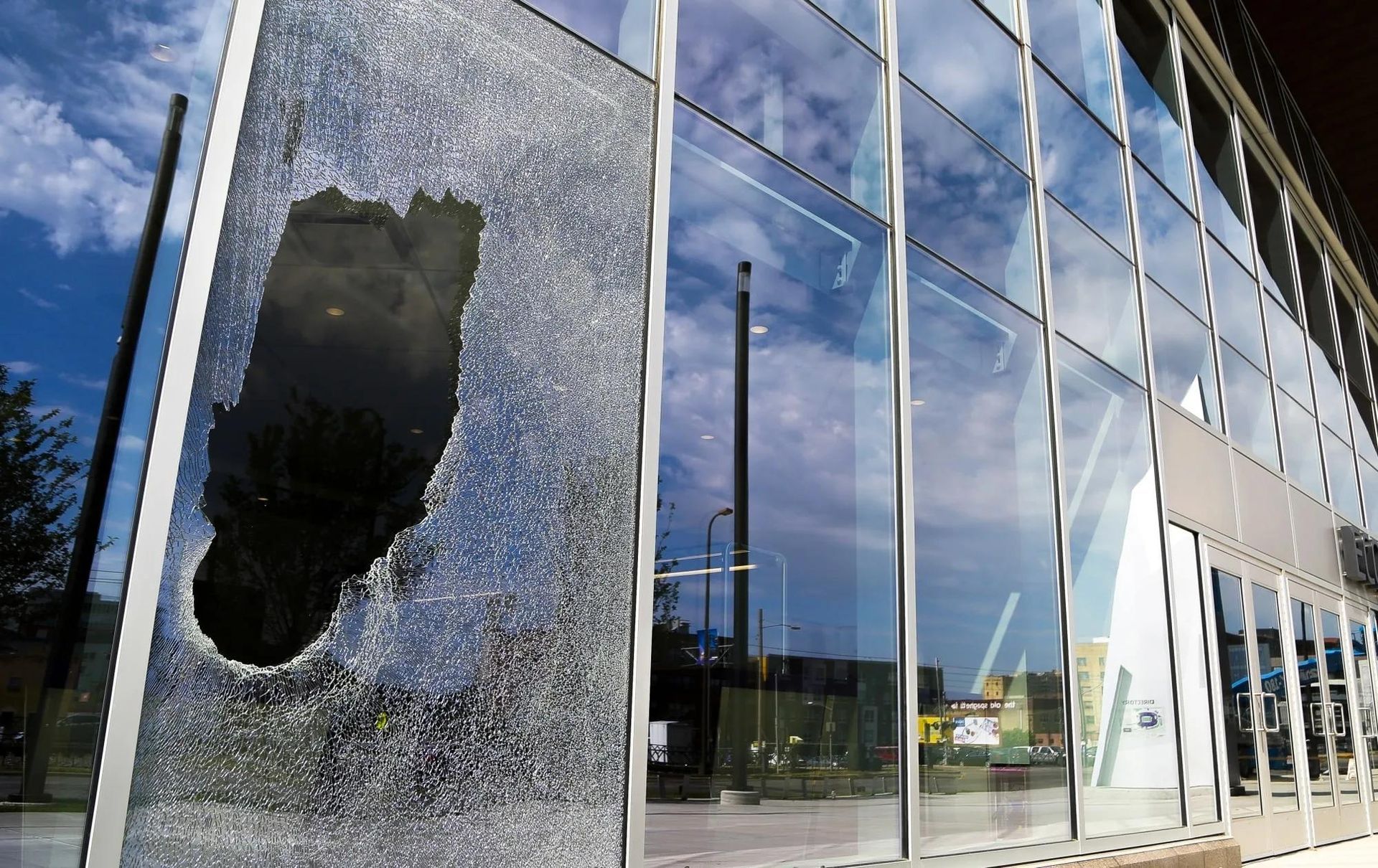
Walls, roofs, and structural frames are designed to take a beating. Glass is not. In a blast event, the pressure wave reaches windows in milliseconds, and untreated glass shatters into thousands of pieces that travel inward faster than anyone can react. Security experts agree that flying glass, not the explosion itself, causes a large share of injuries in buildings near a blast.
What Happens to Untreated Glass During a Blast
Standard annealed glass breaks into long, dagger-like shards. Tempered glass breaks into smaller cubes, but those cubes still blow inward as a dense spray. Either way, the result is the same: injuries to people near windows, destroyed equipment, and an open building that is exposed to weather and theft until the glass is replaced.
Real Risks New Jersey Businesses Face
You don't need to be a government building to be at risk. Across South Jersey and the Philadelphia region, businesses deal with:
- Natural gas explosions in mixed-use and strip-mall buildings
- Industrial accidents near refineries, chemical plants, and warehouse corridors along the Delaware River and NJ Turnpike
- Severe coastal storms and nor'easters that turn debris into projectiles, as Hurricane Sandy showed the Jersey Shore
- Vehicles crashing through storefronts in parking lots and on busy roads like Route 70 and Route 38
- Smash-and-grab burglaries, vandalism, and civil unrest that target glass first
Each of these events starts the same way: with breaking glass. That's why protecting the glass protects nearly everything behind it.
How Blast Mitigation Window Film Works
Film Thickness: Why Mils Matter
Window film thickness is measured in mils (one mil equals one-thousandth of an inch). Standard solar tint is usually 1 to 2 mils. Safety films start around 4 mils, security films run 7 to 8 mils, and heavy-duty blast mitigation films can reach 14 mils or more. Thicker, multi-layer polyester absorbs more energy and resists tearing when the glass behind it breaks.
Daylight Application vs. Attachment Systems
How the film is installed matters as much as the film itself. A "daylight" installation applies film to the visible glass, stopping just short of the frame. It holds fragments together well, but in a strong blast the whole filmed sheet can be pushed out of the frame. Adding an attachment system anchors the film to the window frame, so the glass and film stay in the opening and flex instead of flying inward. This is why our commercial security films are rated to help protect against blast events, windstorm debris, and forced entry when installed with an attachment system.
Testing Standards: GSA and ASTM
Reputable blast films are tested against recognized standards. The U.S. General Services Administration (GSA) uses a hazard rating system that measures how far glass fragments travel into a room after a blast. ASTM F1642 is the main test method for glazing under blast pressure.
In GSA blast testing, a daylight application of SafetyShield 700 or 800 film significantly reduced the hazard level and increased the protective level of the glass. Always ask your installer for the tested rating, not just a sales claim.
Blast Window Film vs. Other Glass Protection Options
| Option | Holds Broken Glass? | Typical Thickness | Blast Performance | Cost and Disruption | Solar and UV Benefits |
|---|---|---|---|---|---|
| Standard solar tint | Minimal | 1–2 mil | Low | Low | Yes |
| Safety film (daylight) | Yes | 4 mil | Moderate | Low | UV, optional solar |
| Security/blast film (daylight) | Yes | 7–8 mil | Good | Low to moderate | UV, optional solar |
| Blast film with attachment system | Yes, stays in frame | 7–14+ mil | Highest film-based protection | Moderate | UV, optional solar |
| Laminated glass replacement | Yes | N/A | High | High, major disruption | Varies |
| Blast curtains | Catches fragments | N/A | Moderate | Moderate, blocks views | None |
Comparing Attachment System Options
| Attachment Type | How It Works | Protection Level | Appearance | Best For |
|---|---|---|---|---|
| Daylight application | Film covers glass only | Good | Invisible | Retail, offices, budget-conscious upgrades |
| Wet glaze (structural silicone) | Silicone bonds film edge to frame | Higher | Thin bead at the frame | Schools, healthcare, banks |
| Mechanical attachment | Metal profile fastens film to frame | Highest | Visible trim | Government, high-risk, high-profile sites |
Which New Jersey Businesses Need Blast-Resistant Film?
Any building with large glass areas and people inside can benefit, but these facilities see the biggest return:
- Schools and daycares: Protects students and teachers from flying glass and slows intruders at entry doors.
- Government and municipal buildings: Especially in and around Trenton, where state offices draw higher security needs.
- Banks and credit unions: Glass lobbies and drive-throughs are common targets.
- Healthcare facilities and pharmacies: Keeps patients safe and protects medication storage from break-ins.
- Houses of worship: Large decorative windows near crowded seating areas.
- Retail storefronts: Defends against smash-and-grab theft and vehicle impacts.
- Office buildings and property managers: Protects tenants and limits liability and downtime.
- Businesses near industrial sites or gas infrastructure: Accidental explosions don't give warning.
Our Blast Film Installation Process
A blast mitigation project is more than applying tint. Here is how our certified installers handle commercial jobs from Medford to Philadelphia.
On-Site Security Assessment
We visit your building, review your glass, entry points, and risk concerns, and discuss what level of protection makes sense for your budget. We also provide estimates from photos and measurements by email.
Glass and Frame Evaluation
Not every film works on every type of glass. We check glass type, size, and condition using manufacturer film-to-glass recommendations to avoid thermal stress. If frames are damaged or seals have failed, we'll tell you, because film can't fix structural window problems.
Film and Attachment Selection
We match your goals to the right product, whether that's clear safety film, a solar-plus-safety film, or exterior film for buildings where interior glass isn't accessible.
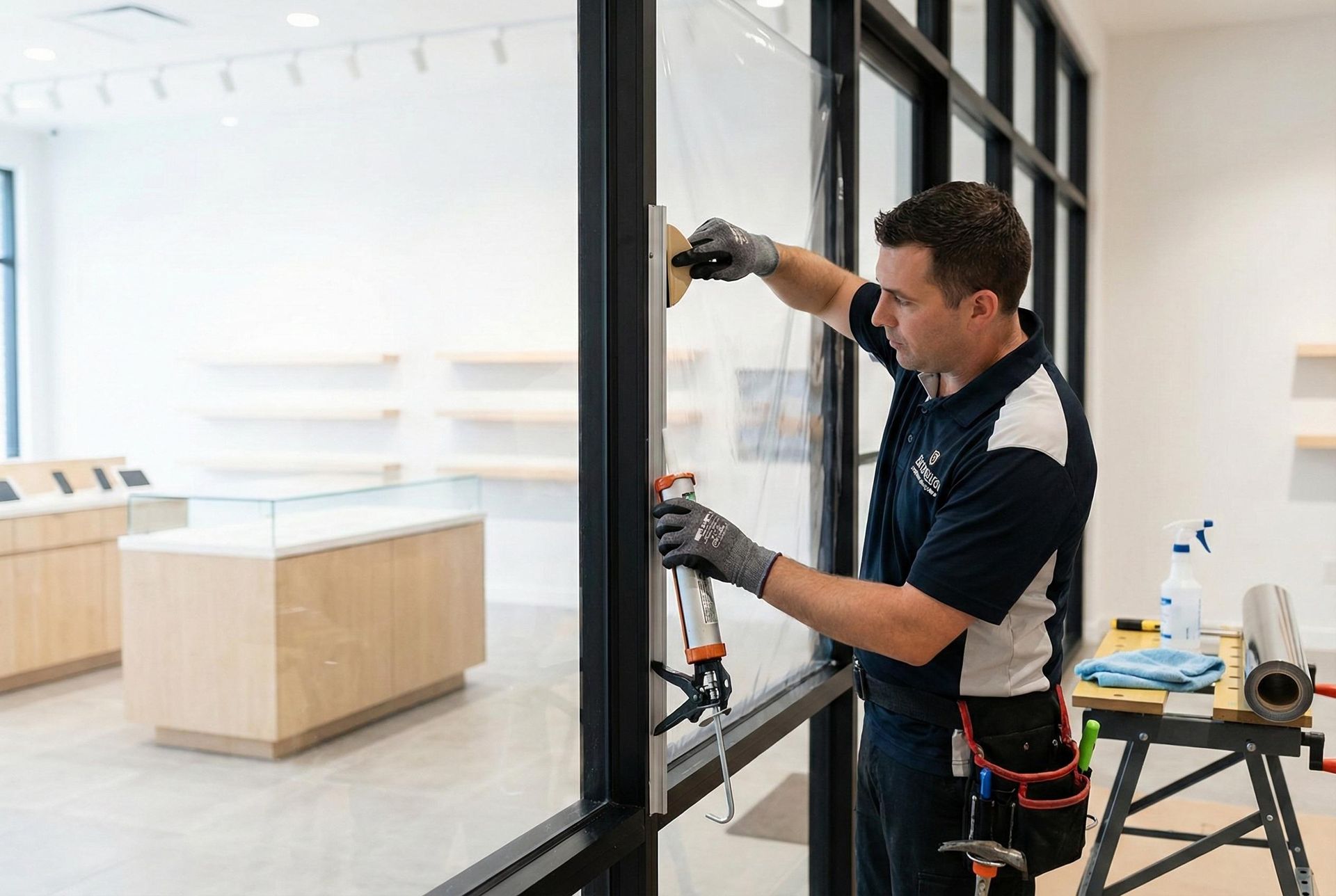
Professional Installation
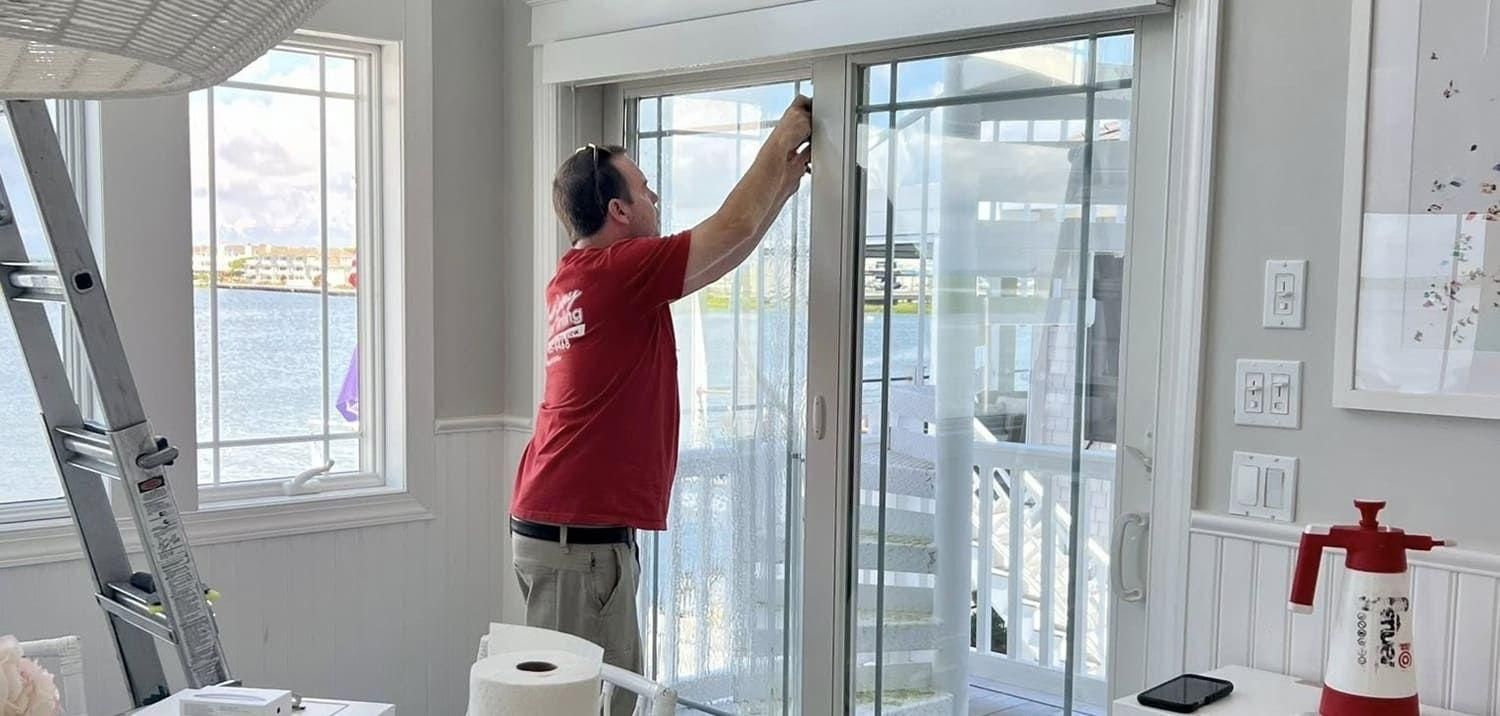
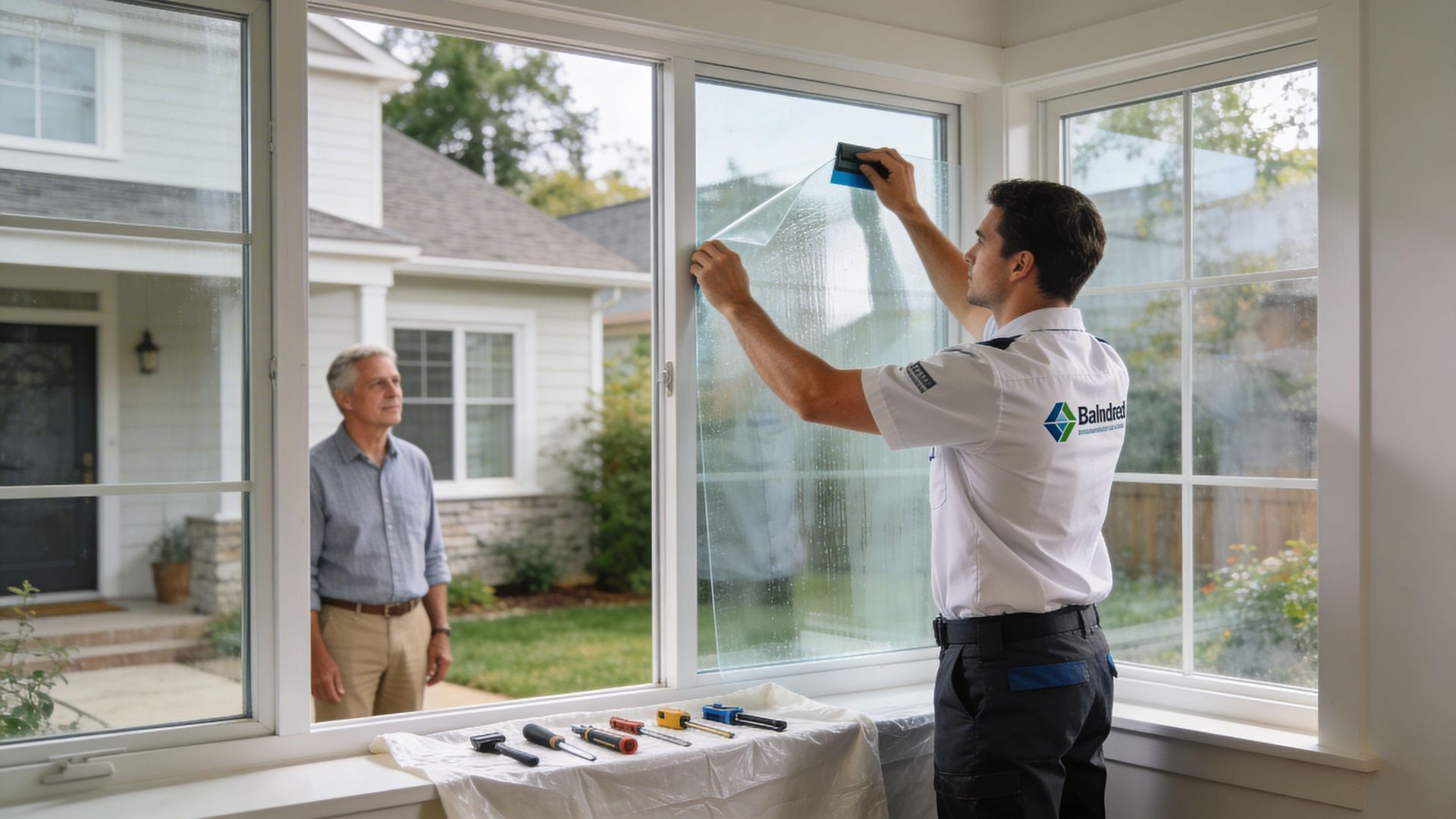
Film is cut, cleaned, and applied with precision, and attachment systems are installed where specified. Most commercial jobs take from half a day to a few days, and we work to minimize disruption to your operations.
Curing and Final Inspection
Film needs time to cure. Slight haze or small water pockets are normal for two to three weeks, longer in cold New Jersey winters. We do a final walkthrough and stand behind the work after the film fully dries.
How Much Does Blast-Resistant Window Film Cost in NJ?
Commercial window film is priced by square footage, so cost depends on your project. The biggest pricing factors are:
- Total glass area and number of panes
- Film thickness and type (clear, solar-plus-safety, exterior, or anti-graffiti)
- Attachment system (daylight, wet glaze, or mechanical)
- Access, such as upper floors or lift equipment
- Glass condition and any prep work
Blast film usually costs a fraction of replacing windows with laminated security glass, and it installs with far less downtime. Because solar-plus-safety films also lower cooling costs, part of the investment pays itself back through energy savings over time.
Extra Benefits Beyond Blast Protection
One upgrade can solve several building problems at once:
- UV protection: Most of our security films block 99% of UV rays, protecting staff, merchandise, and furnishings from fading.
- Energy savings: Our solar-plus-safety films block 52% to 81% of the sun's energy, and commercial window films typically save 5% to 15% on building energy costs.
- Glare reduction: Better comfort and screen visibility for employees.
- Graffiti defense: Anti-graffiti film peels away with the vandalism, saving costly glass replacement.
- Clear views: Optically clear films protect without the "fortress" look of bars or grates.
Why NJ Businesses Choose South Jersey Window Tinting
Since 1985,
South Jersey Window Tinting has been one of the region's largest window film installers. We are an exclusive LLumar SelectPro, Vista, and SunTek dealer, which gives our commercial clients access to the industry's most trusted, tested security films. Our safety laminate films come with up to a 15-year warranty against cracking, bubbling, hazing, and demetalizing (certain restrictions apply).
With more than 200 five-star reviews, experienced certified installers, and a team that walks you through every option, we make security upgrades simple. We also proudly offer discounts to active military, veterans, and police officers.
Frequently Asked Questions About Blast-Resistant Window Film
Is blast-resistant window film bulletproof?
No. Blast-resistant film is designed to hold glass together after it breaks, not to stop bullets. Ballistic protection requires specialized glazing systems. Blast film is focused on reducing flying glass injuries and slowing forced entry.
Can blast film be installed on existing windows?
Yes. That's one of its biggest advantages. Film is applied directly to your existing glass, so there's no need to remove or replace windows, as long as the frames and seals are in good condition.
How thick does blast mitigation film need to be?
Most blast mitigation applications use 7 to 8 mil security film or thicker. Higher-risk buildings may use 14 mil film or more, combined with an attachment system for the highest protection.
Does security window film change how my windows look?
Clear safety and security films are virtually invisible and won't yellow or shadow your glass. If you want privacy or heat control, tinted and reflective solar-plus-safety options are also available.
How long does commercial safety film last?
Quality commercial security films typically last many years, and our safety laminate films carry up to a 15-year warranty. Exterior films are built with scratch-resistant coatings for outdoor exposure.
Will blast film stop a burglar from getting in?
It won't make entry impossible, but it makes breaking through glass much harder, slower, and louder. That extra time and noise often makes intruders give up or draws attention before they get inside.
Protect Your People and Property Before Something Breaks
Glass will always be the most vulnerable part of your building, but it doesn't have to be the most dangerous. Blast-resistant window film keeps broken glass in place, protects the people inside, slows break-ins, and adds energy savings and UV protection at the same time, all without replacing a single window.
If you own or manage a business, school, office, or facility in Medford, Cherry Hill, Mount Laurel, Camden, Trenton, Burlington County, Ocean County, or the Philadelphia area, South Jersey Window Tinting can help you choose the right protection level for your building and budget.
Call (856) 840-0900 or (800) 985-TINT, or
request a free commercial window tinting estimate online. Visit us at 206 Medford Mt Holly Rd, Suite C,
Medford, NJ 08055, Monday through Friday from 8am to 5pm, with Saturday appointments available.
Does Security Film Stop Active Shooter Threats? What South Jersey Schools and Businesses Should Know