Security Window Film for Apartments: A Renter & Landlord Guide for South Jersey
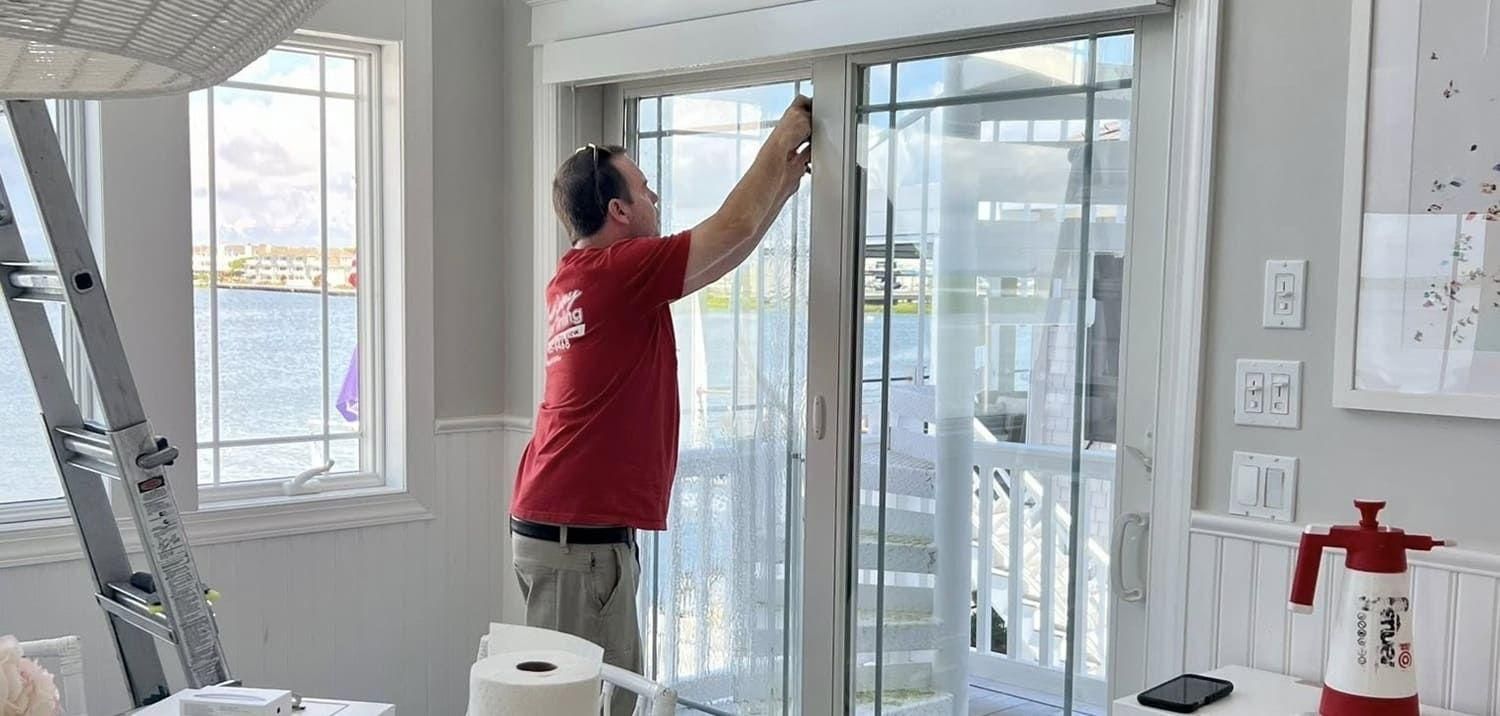
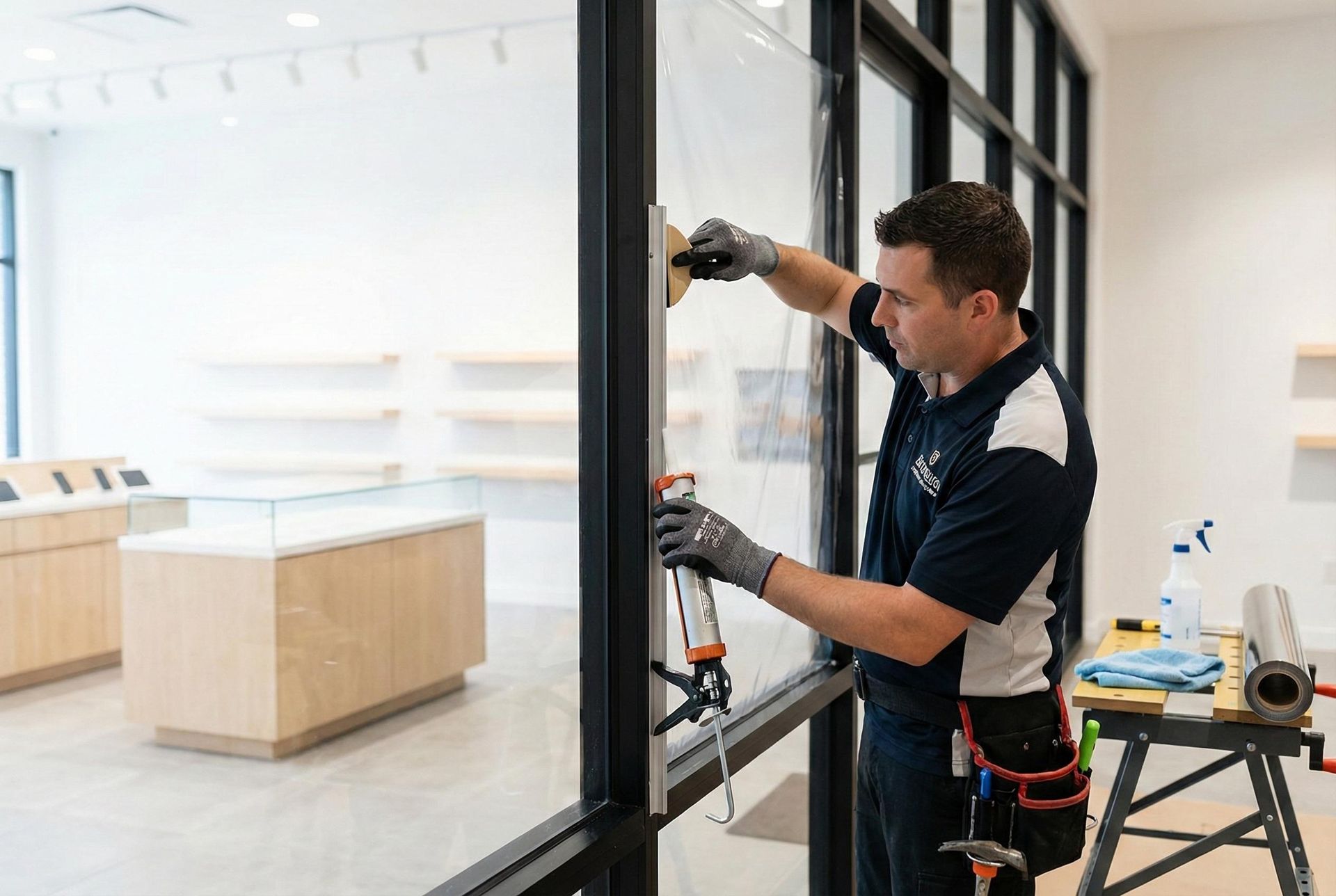
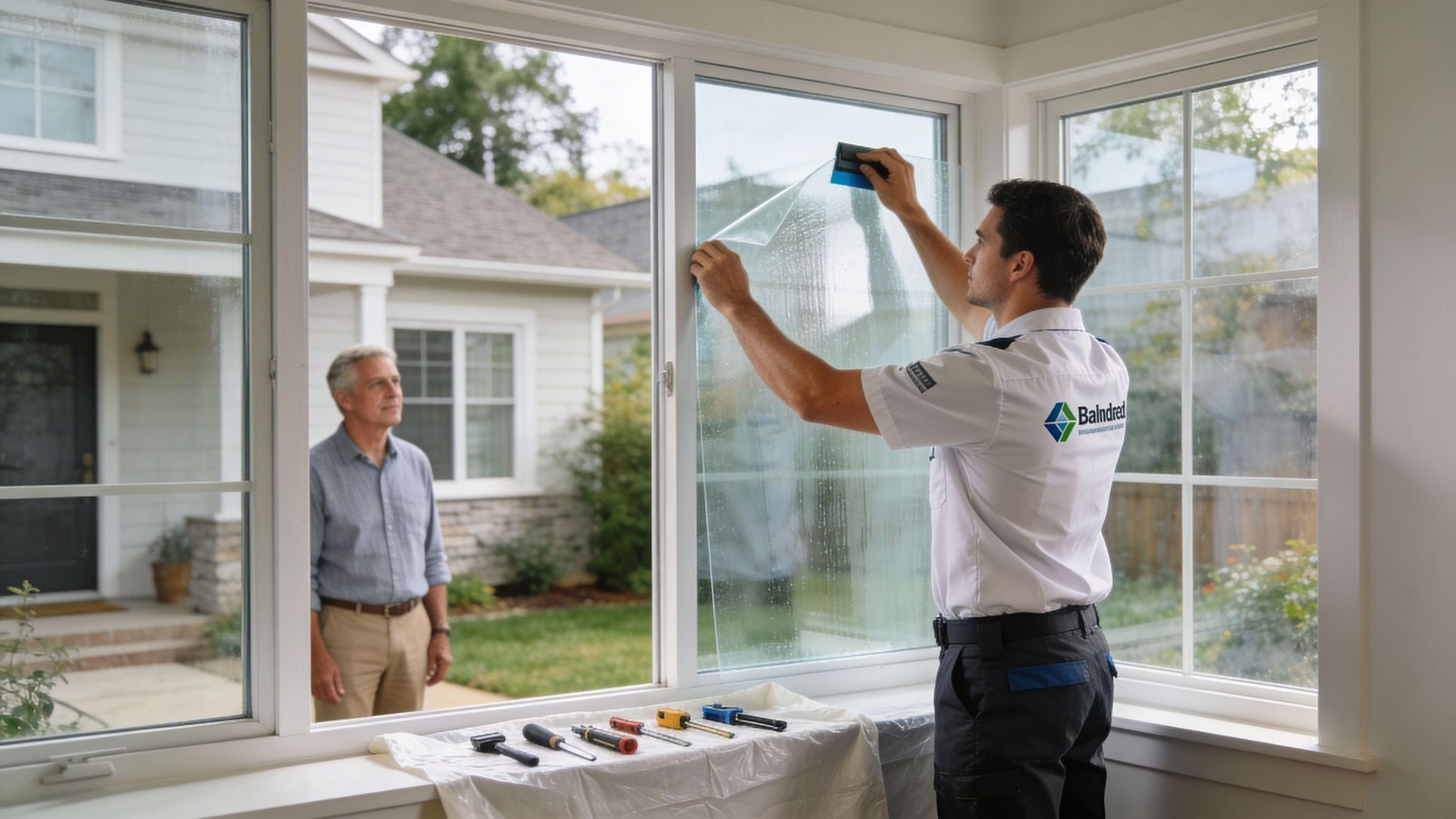
Security window film is a thin, heavy-duty layer bonded to the inside of apartment windows and glass doors. When the glass is struck, the film helps hold it together. That slows down break-ins and keeps sharp shards from scattering. Renters can usually have it installed with written permission from their landlord. Landlords can add it to individual units, lobbies, and common areas to protect tenants and property.
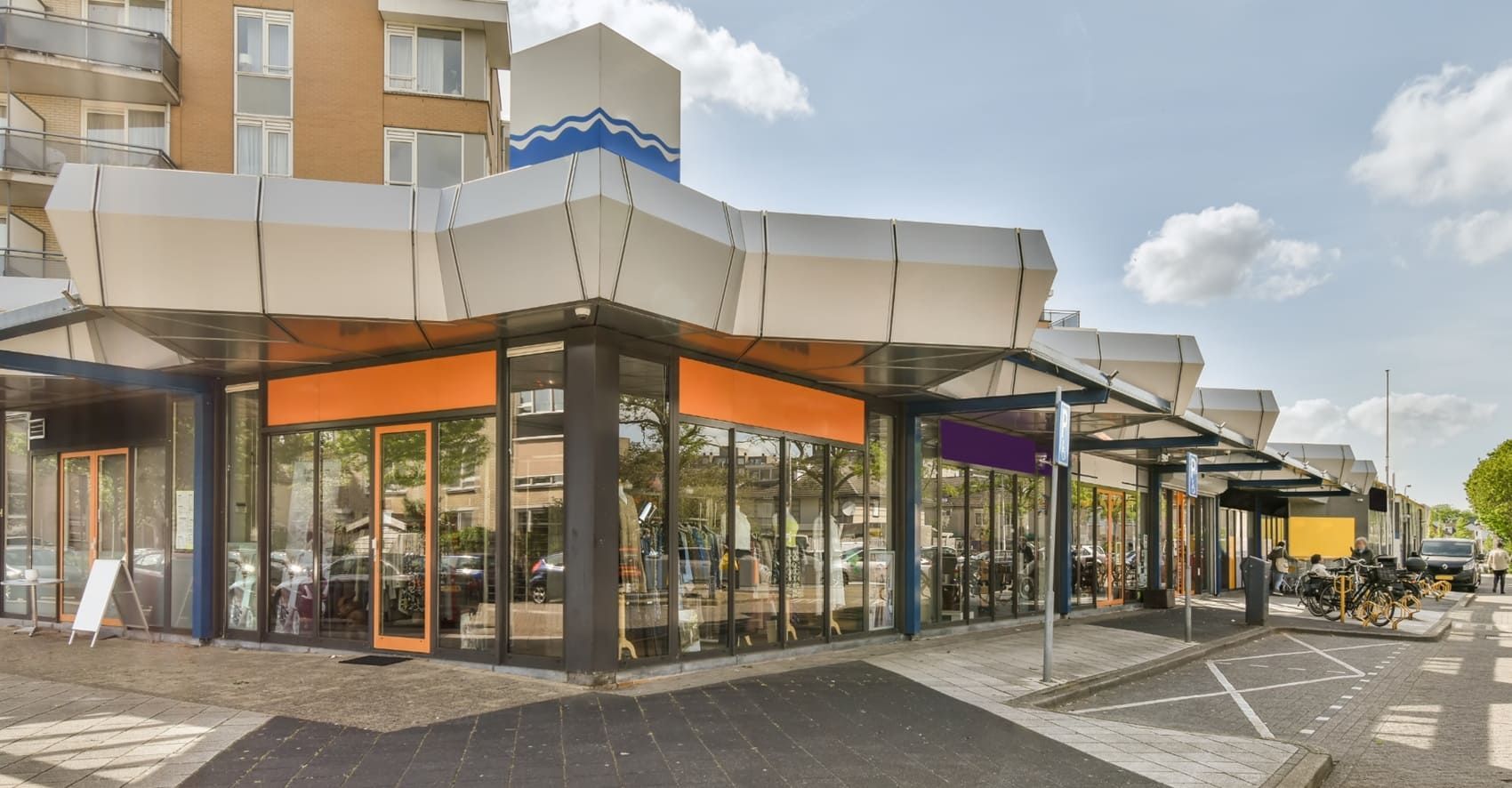
For most apartments, glass is the weakest point. Think of a ground-floor unit in Cherry Hill, a sliding patio door in Mount Laurel, or a glass lobby door in a Philadelphia building split into apartments. Locks and alarms help, but a window can be broken in seconds.
South Jersey Window Tinting has been installing window film across the tri-state area since 1985. Renters and landlords often ask us the same questions: Does security film really work? Is it allowed in a rental? Who pays? What happens at move-out? This guide answers each of them.
What Is Security Window Film and How Does It Work?
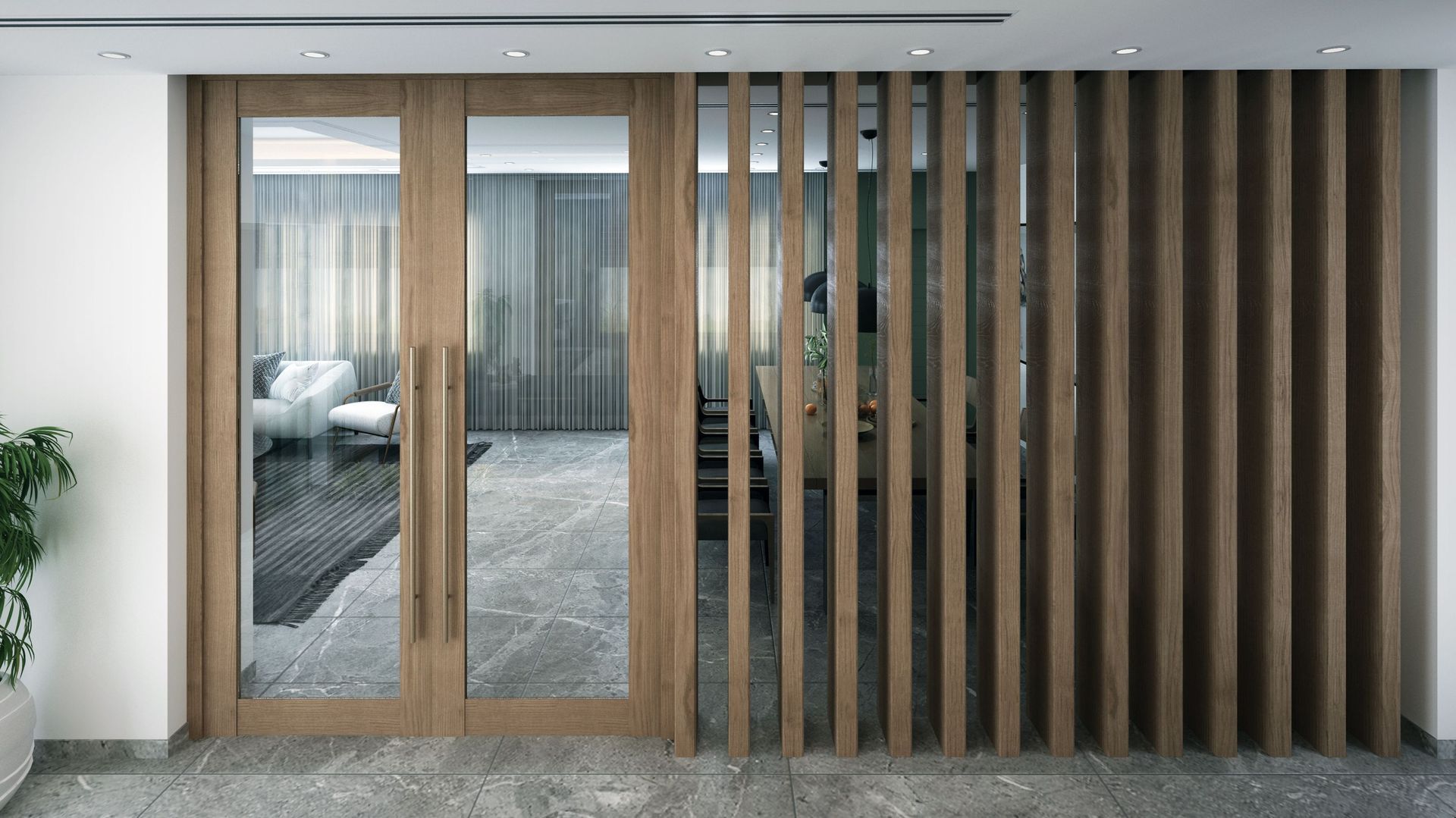
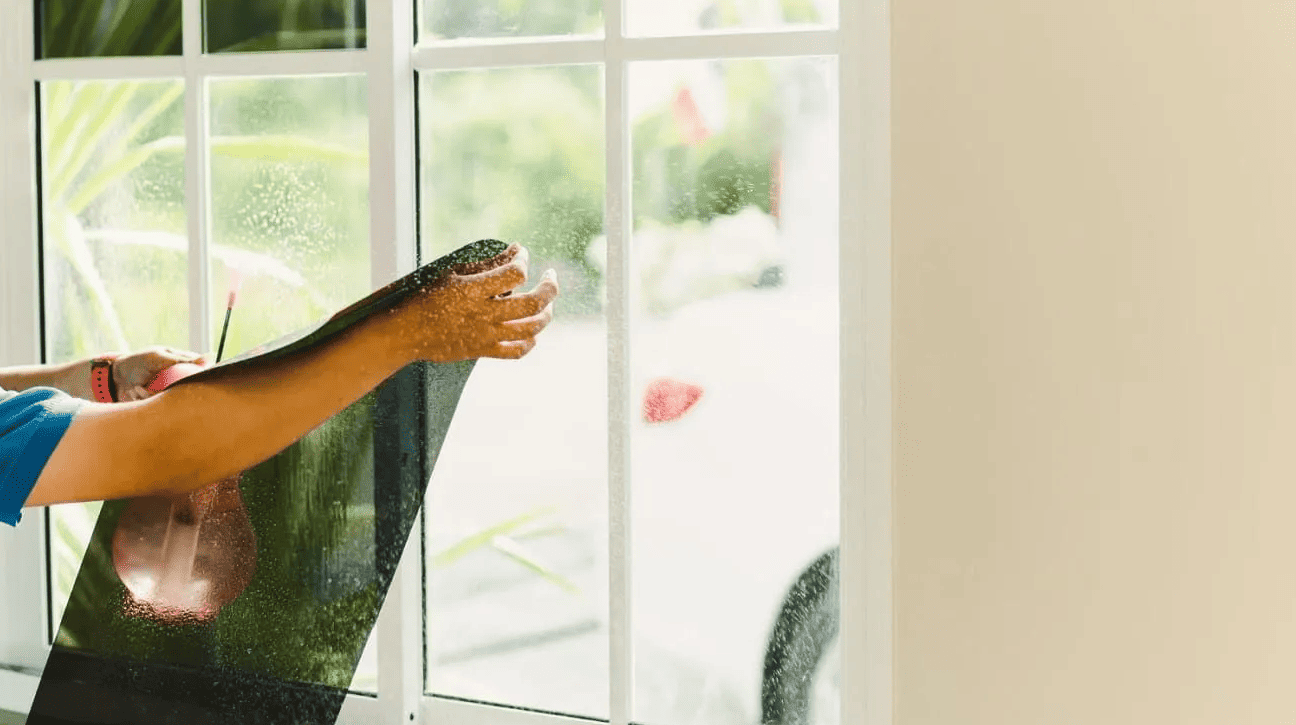
Security film, also called safety film, is made from heavy-duty polyester and applied to the inside of the glass with a very strong adhesive. Once it cures, the film and the glass act as a single unit.
Here's why that matters. When ordinary glass breaks, it can shatter into dangerous shards or leave an open gap that someone can climb through. With security film applied, the broken fragments generally stick to the film instead of falling away. An intruder has to keep striking the glass, which takes time and makes noise. Burglars count on speed and quiet, so that extra resistance often convinces them to move on.
Security film also helps with:
- Accidents, such as a child falling into a patio door or a stray ball hitting a window.
- Windborne debris during nor'easters and summer thunderstorms.
- Vandalism, when paired with anti-graffiti film on lobby and street-level glass.
- Heat, glare, and UV, since many security films include solar properties that block as much as 99% of UV rays.
What Security Film Won't Do
Security film is not bulletproof, and it doesn't make glass unbreakable. Given enough time and force, a determined intruder can still get through. Its job is to buy time, reduce injuries, and discourage quick smash-and-grab entries. It works best alongside good locks, exterior lighting, a sliding door security bar, and an alarm or camera system.
Why Apartments Are Especially Vulnerable to Break-Ins
Apartments often have weak spots that single-family homes don't:
- Ground-floor and garden-level windows are easy to reach from outside and often face parking lots or walkways.
- Sliding glass patio doors are large panes that are frequently hidden from the street by fences or landscaping.
- Glass entry doors and sidelights in shared lobbies can let someone into the whole building.
- Basement units in older Philadelphia and Trenton buildings often have windows right at sidewalk level.
- Common-area glass, such as laundry rooms, mailrooms, and stairwells, gets less supervision and more vandalism.
Renters usually can't replace windows or install bars. Landlords usually don't want the cost or look of a full security retrofit. Security film fills that gap. It is nearly invisible, costs far less than replacement glass, and doesn't change how the windows open or close.
Security Film Options for Apartments
Not every apartment needs the same film. Here's how the main security film lines we install compare:
| Film Series | Appearance | Key Benefits | Best Fit for Apartments |
|---|---|---|---|
| Clear Series | Nearly invisible | Safety and security, helps reduce sun fading | Renters who want no visible change to their windows |
| Ultra-Vision | Barely visible | Top solar technology plus safety, IR reduction | Sunny units and landlords wanting a premium upgrade |
| Symphony Series | Dual-reflective, low interior reflectivity | Solar performance plus security, fast clarity after install | South- or west-facing units that overheat in summer |
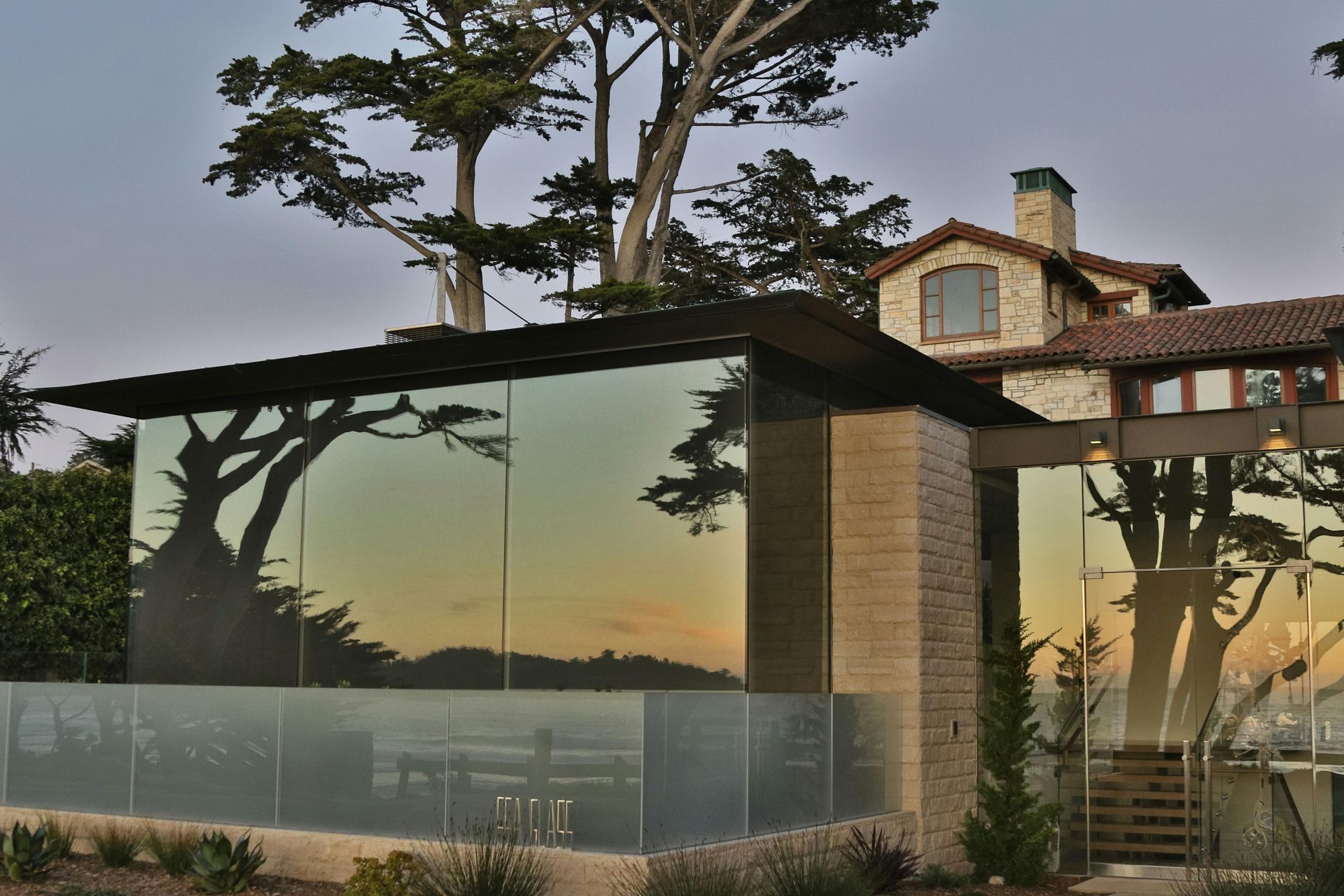
| Silver Series | Mirrored on both sides | Highest solar heat rejection, daytime privacy, shatter resistance | Street-level units needing privacy (check building rules on reflective films first) |
| Anti-Graffiti Series | Virtually invisible | Scratch-resistant layer that peels away without residue | Lobby doors, storefront glass, and common areas |
For most renters, the Clear Series is the easiest choice. It adds protection without changing how the unit looks from outside, which makes landlord approval more likely. Landlords managing whole buildings often combine a solar-security film on sunny exposures with anti-graffiti film in high-traffic common areas.
Renter's Guide: Can You Put Security Film on Apartment Windows?
In most cases, yes, as long as your landlord approves it in writing. Window film is generally considered an alteration to the property, and most leases require permission before tenants make alterations. Here's how to approach it.
Read Your Lease's Alteration Clause
Look for language about "alterations," "improvements," or "changes to the premises." Some leases mention window treatments specifically. If the lease is silent or unclear, get written permission anyway to protect your security deposit.
Make the Request in Writing
Email or write to your landlord or property manager. Explain that the film is professionally installed on the inside of the glass, that it's nearly invisible, and that it protects their windows as well as your safety. Name the specific windows you want covered, such as the patio door and ground-floor bedroom windows.
Agree on Move-Out Terms Up Front
Decide now whether the film stays or goes when you leave. Many landlords are happy to keep security film in place because it adds value to the unit. If they want it removed, agree in writing who handles and pays for removal.
Use a Professional Installer
Some films aren't recommended for certain glass types, especially some dual-pane and tinted units. A professional installer checks film-to-glass compatibility before recommending a product. That helps avoid glass stress problems and protects both you and your landlord.
Check Your Renters Insurance
Let your insurer know about security upgrades. Some policies take protective measures into account, and it's worth asking.
Lease terms vary, so treat these steps as general guidance rather than legal advice. If you're unsure what your lease allows, ask your landlord or a local tenant resource.
Is Security Film Removable When You Move Out?
Yes, but plan for it. Security film uses one of the industry's strongest adhesives, so removing it is a job for a professional. A pro can take it off without scratching the glass or leaving residue. Anti-graffiti film is the exception: it's designed to peel away cleanly.
Landlord's Guide: Is Security Film Worth It for Rental Properties?
For many South Jersey property owners and managers, yes. Security film protects the building as much as the tenants. Key benefits include:
- Fewer emergency glass replacements after break-in attempts, vandalism, or storm damage.
- Safer units and common areas, since film helps hold broken glass in place.
- A selling point for new tenants, especially in ground-floor and garden-level units.
- Better comfort and fewer complaints when you choose a combined solar and security film for units that bake in the summer sun.
- Lower cleanup costs in lobbies and entryways when anti-graffiti film takes the damage instead of the glass.
Solar films can also help with energy costs in common areas. On commercial buildings, our window films reduce energy costs by 5 to 15% on average.
Renter-Installed vs. Landlord-Installed Security Film
| Question | Renter-Installed | Landlord-Installed |
|---|---|---|
| Who approves it? | Landlord, in writing | Landlord or property manager |
| Who usually pays? | The renter | The landlord, as a property improvement |
| Typical coverage | One unit's most vulnerable windows and doors | Individual units, lobbies, and common areas |
| What happens at move-out? | Stays or is removed, as agreed in writing | Stays with the property |
| Best for | Tenants who want added safety right away | Owners protecting the whole building long-term |
This is paragraph text. Click it or hit the Manage Text button to change the font, color, size, format, and more. To set up site-wide paragraph and title styles, go to Site Theme.
What to Expect During Installation
Whether you're a renter covering one patio door or a landlord upgrading an entire building, the process is similar:
- Estimate: Residential and commercial jobs are priced by square footage. You can send approximate measurements or photos by email for a free estimate, or schedule an on-site visit.
- Installation: All film goes on the inside of the glass. A single apartment can often be finished quickly, while larger projects may take anywhere from half a day to a few days.
- Curing: Leave windows untouched and avoid opening treated windows for about three days while the film bonds.
- Clearing: You may see some haziness or small water pockets at first. This is normal moisture from installation, and it can take 2 to 3 weeks to clear, sometimes longer during cold New Jersey winters. Don't press on the water pockets, because that can create permanent air bubbles.
- Cleaning: Wait about a week before cleaning treated windows, then use an ammonia-free cleaner and a soft, non-abrasive cloth.
A Note on Emergency Exits
Security film doesn't affect how a window opens. Operable windows still slide or swing normally. Still, bedroom windows in apartments often serve as emergency escape routes. Renters and landlords should discuss which windows to treat and confirm that every escape window can be opened easily from inside. Make sure it isn't blocked by fixed bars, painted-shut frames, or furniture.
Why South Jersey Renters and Landlords Choose South Jersey Window Tinting
We've served homeowners, renters, and property owners throughout the tri-state area since 1985. Our office staff and certified installers take the time to explain your options so you can choose the right film for your windows, your lease, and your budget.
When you work with us, you get:
- Nearly four decades of window film experience across South Jersey and the Philadelphia area.
- More than 200 five-star reviews from customers who trust us with their homes, businesses, and vehicles.
- A full range of residential and commercial security films, from nearly invisible clear films to solar-security and anti-graffiti options.
- A manufacturer's limited warranty backing the performance of all our security films.
- A discount for current military, veterans, and police officers.
Frequently Asked Questions About Security Film for Apartments
Does security window film stop break-ins?
Security film won't make glass unbreakable, but it makes forced entry much harder and slower. Broken glass sticks to the film instead of falling away, so an intruder has to strike repeatedly and make noise. That delay is often enough to discourage a break-in.
Do renters need landlord permission to install security film?
In most cases, yes. Window film is typically considered an alteration, and most leases require written approval before tenants make changes. Getting permission in writing protects your security deposit.
Will security film damage apartment windows?
Not when it's professionally installed on compatible glass. A trained installer checks film-to-glass recommendations before installation. When removal is needed, a professional can remove the film without damaging the glass.
Can you see security film on windows?
Clear security films are nearly invisible from inside and outside. Reflective and dual-reflective films have a more noticeable tint, so renters usually choose clear films to keep the building's look consistent.
Does security film work on sliding glass doors?
Yes. Sliding patio doors are one of the most common places we install security film in apartments, because they're large and often hidden from street view. Pair the film with a security bar in the door track for the best results.
How much does security film cost for an apartment?
Pricing depends on the square footage of glass and the film you choose. Covering a single patio door costs far less than treating an entire building. Send us measurements or photos for a free estimate.
Protect Your Apartment With Security Window Film
Security window film is one of the simplest ways to make an apartment safer. It helps hold glass together during break-in attempts, accidents, and storms. It stays nearly invisible, and many films also cut heat, glare, and UV rays. Renters can get protection right away with landlord approval, and landlords can protect their property and their tenants for years to come.
Ready to secure your windows? Contact South Jersey Window Tinting at 206 Medford Mt Holly Rd Suite C, Medford, NJ 08055. Call (856) 840-0900 or (800) 985-TINT, or request a free estimate online. We're open Monday through Friday, 8am to 5pm, and Saturdays by appointment. We proudly serve Medford, Cherry Hill, Mount Laurel, Marlton, Trenton, the Jersey Shore, Philadelphia, and communities throughout South Jersey.
Does Security Film Stop Active Shooter Threats? What South Jersey Schools and Businesses Should Know