Does Security Film Stop Active Shooter Threats? What South Jersey Schools and Businesses Should Know
No, security window film does not stop bullets, and it cannot stop an active shooter on its own. What it can do is make glass much harder to break through. That delays forced entry at doors, sidelights, and windows. Those extra seconds or minutes can give people time to lock down and give police time to respond. Security film works best as one layer of a complete safety plan.
Across South Jersey and the Philadelphia area, school administrators, church leaders, daycare owners, and business managers are asking the same question: what can we do about the glass? Main entrances, vestibules, and ground-floor windows are often the most vulnerable parts of a building, and replacing them with ballistic glass is expensive.
South Jersey Window Tinting has installed window film for homes, businesses, and facilities across the tri-state area since 1985. We believe you deserve a straight answer before you invest. This guide explains what security film can and can't do, how it compares to other glass options, where it belongs in your building, and how to plan a layered approach.
The Short Answer: Security Film Delays Entry, It Doesn't Stop Bullets
It's important to be clear about this, because some marketing blurs the line. Standard safety and security window film is not bullet-resistant. A bullet will pass through filmed glass.
Security film's real value in an active threat situation is forced-entry delay. Here's how it works:
- Untreated glass can be broken and cleared in seconds, leaving an opening someone can step or reach through.
- Filmed glass may crack or even be pierced, but the broken fragments stay bonded to the film instead of falling away.
- An intruder must keep striking the glass to create an opening, which takes time and makes noise.
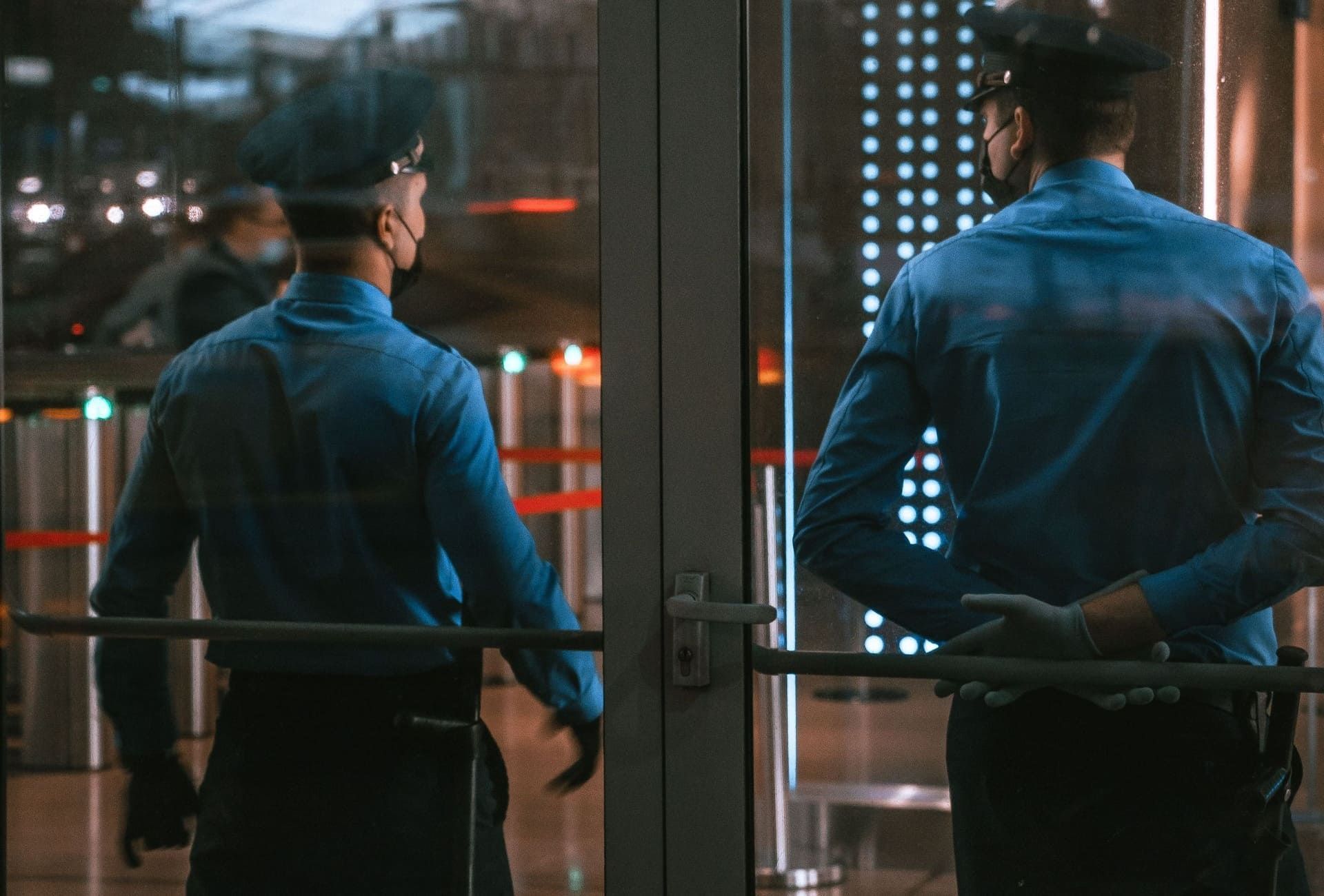
That delay matters. Lessons from past school attacks, including Sandy Hook in 2012, where the attacker entered by breaking the glass beside a locked entrance, show why entry glass deserves attention. Every moment an intruder is held at the perimeter is time for staff to lock doors, move people to safe areas, and call 911.
Why Glass Is the Weak Point in Most Buildings
Most schools, offices, and houses of worship were designed to be welcoming, not fortified. That usually means lots of glass:
- Glass entry doors and the sidelights beside them, often within arm's reach of the door handle.
- Entry vestibules, where visitors wait before being buzzed in.
- Ground-floor windows along hallways, classrooms, and offices.
- Interior glass in classroom doors, conference rooms, and corridors.
A locked door does little good if the glass next to it can be broken in seconds. That's why security consultants and building planners increasingly focus on the glass around entrances. New Jersey law reflects this: districts building new schools must give consideration to bullet-resistant glazing in interior vestibule doors and windows. For existing buildings, security film is one of the most practical ways to strengthen glass that's already in place.
Security Film vs. Other Glass Protection Options
Security film is one of several ways to harden glass. Here's how the main options compare:
| Option | Stops Bullets? | Delays Forced Entry? | Relative Cost | Keeps the Existing Look? | Best Use |
|---|---|---|---|---|---|
| Security window film | No | Yes | Lower | Yes, clear options available | Retrofitting existing entrances and windows |
| Security film with structural attachment | No | Yes, significantly more | Moderate | Yes, with a small edge bead | High-priority entry glass and vestibules |
| Laminated security glass | No, unless ballistic-rated | Yes | Higher (glass replacement) | Yes | New construction and full renovations |
| Bullet-resistant glazing (ballistic-rated) | Yes, to its rated level | Yes | Highest | Often thicker and heavier | Reception windows and high-risk vestibules |
| Bars, grilles, or shutters | No | Yes | Varies | No | Rear or low-visibility windows |
For many facilities, the smartest approach combines these options. Ballistic-rated glazing can go where the risk is highest, such as a reception window facing the entry vestibule. Security film can then cover the rest of the perimeter glass at a fraction of the cost.
What Makes Security Film Perform Better
Not all security film delivers the same level of protection. Performance depends on:
- Film thickness: Thicker films resist penetration better. Your installer should match the thickness to the size and type of glass.
- Adhesive quality: A strong bond between film and glass is what keeps fragments in place.
- Attachment to the frame: Without an attachment system, film holds broken glass together, but the whole pane can still be pushed out of the frame. Structural attachment systems anchor the filmed glass to the frame, which greatly improves forced-entry delay.
- Professional installation: Poor installation reduces performance. Proper edge work and cure time matter.
Our security films are made from heavy-duty polyester bonded with strong adhesives. They come in varying levels of physical protection, so we can match the film to each opening.
Where Security Film Makes the Biggest Difference
If your budget is limited, start with the glass that matters most. We recommend prioritizing openings in this order:
| Priority | Glass Location | Why It Matters |
|---|---|---|
| 1 | Main entrance doors and sidelights | The most likely point of forced entry, often next to a door lock |
| 2 | Entry vestibule glass | Holds visitors before they're admitted and is a key barrier in lockdown plans |
| 3 | Ground-floor windows near occupied rooms | Easy to reach from outside and close to classrooms, offices, or sanctuaries |
| 4 | Secondary entrances and side doors | Often less monitored than the main entrance |
| 5 | Interior glass in classroom and office doors | Helps keep a locked room secure and reduces flying glass |
Solar + Safety films add benefits that help justify the investment. Most of our films block 99% of UV rays, and our Solar + Safety lines block 52% to 81% of the sun's energy. That means your building gets safer, and classrooms and offices also stay cooler with less glare.
How to Plan a Security Film Project for Your Facility
A security film project works best when it's part of a broader safety plan. Here's the process we recommend for schools, churches, and businesses in South Jersey.
Start With a Security Assessment
Work with your local police department, your district's safety team, or a qualified security consultant to identify your building's vulnerabilities. Many police departments will walk a facility and make recommendations. Also review federal school and facility security guidance from the Cybersecurity and Infrastructure Security Agency (CISA).
Map Your Glass Openings
List every exterior door, sidelight, vestibule, and ground-floor window. Note the glass type, size, and frame condition. Photos and approximate measurements help us prepare an accurate estimate.
Match the Film to Each Opening
Not every window needs the same level of protection. High-priority entry glass may call for thicker film and a structural attachment system. Interior glass may only need a lighter safety film that holds fragments in place.
Coordinate Installation Around Your Schedule
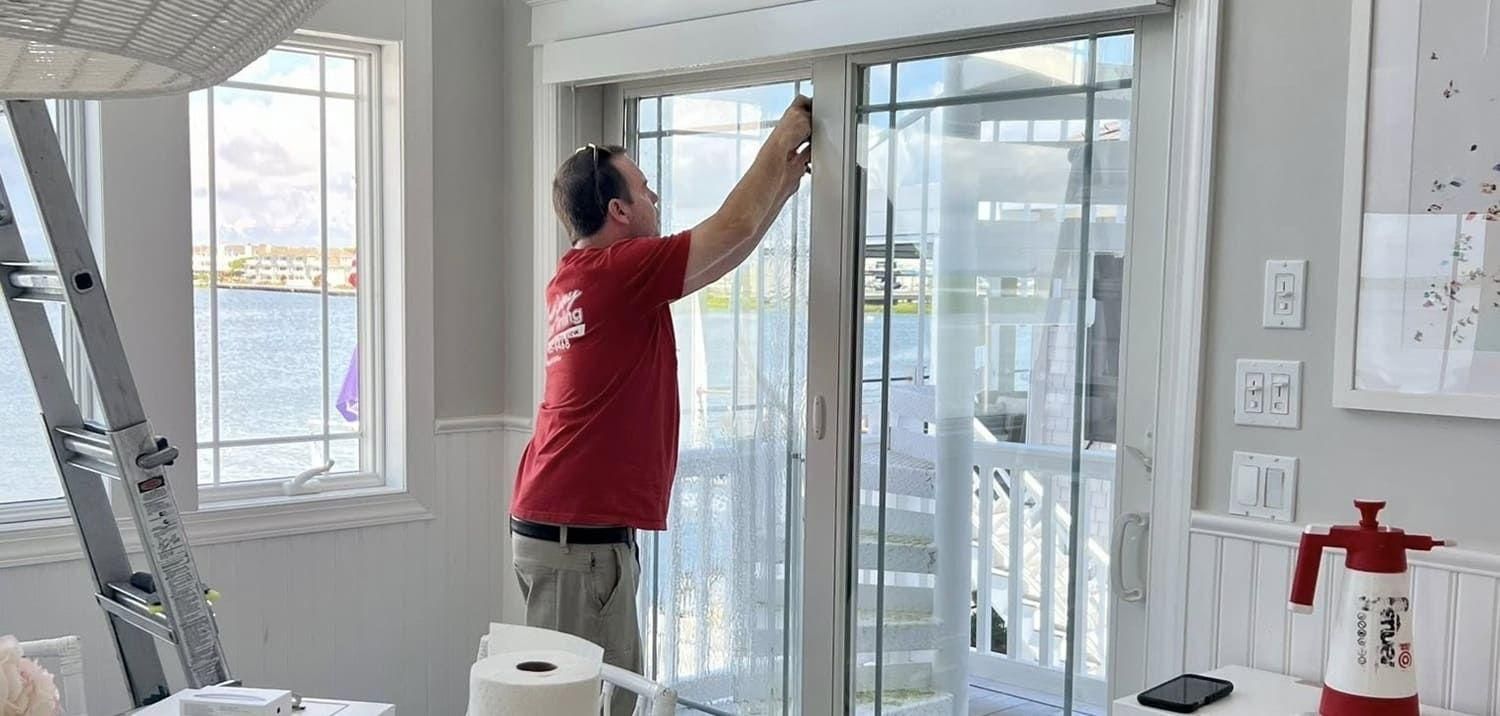
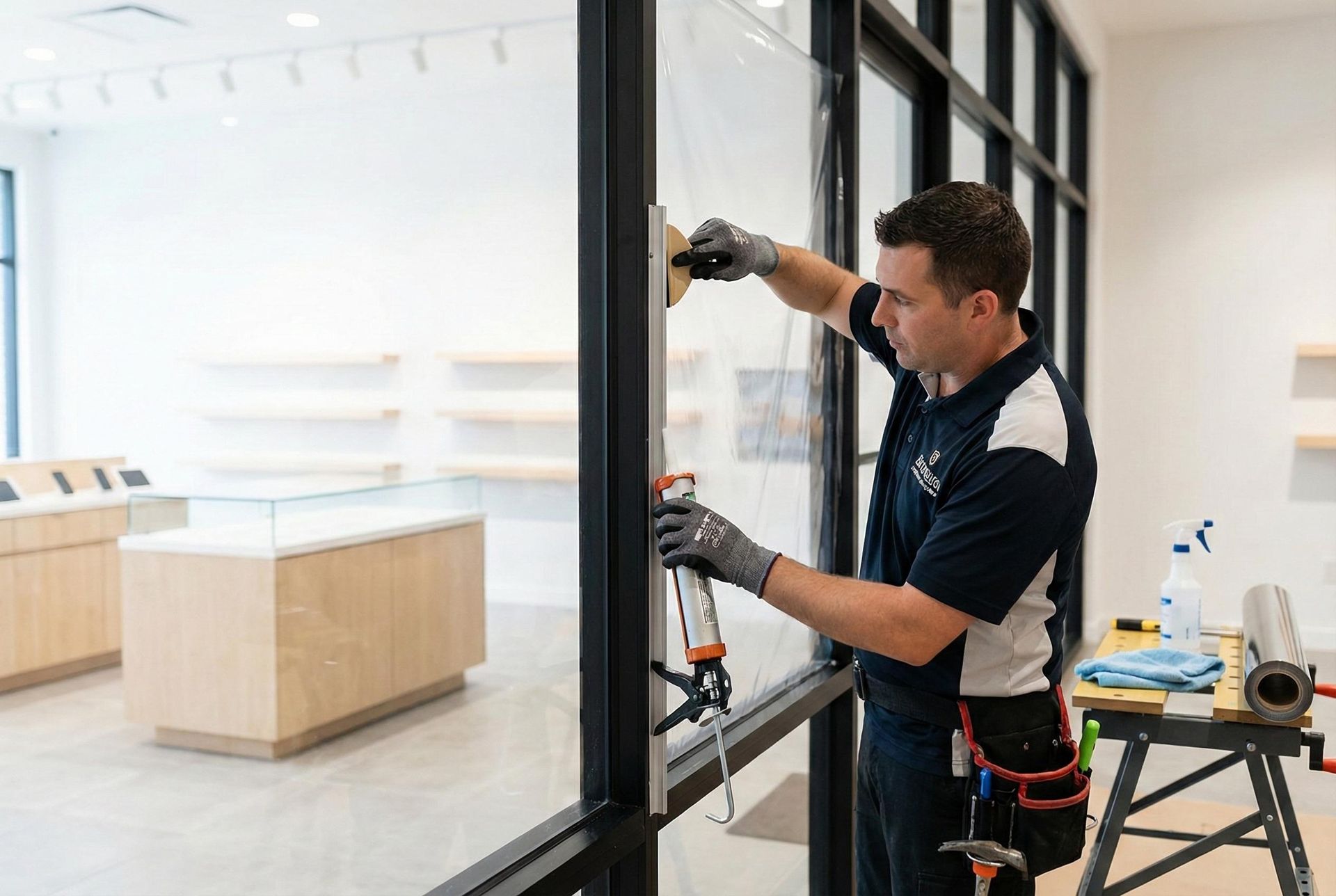
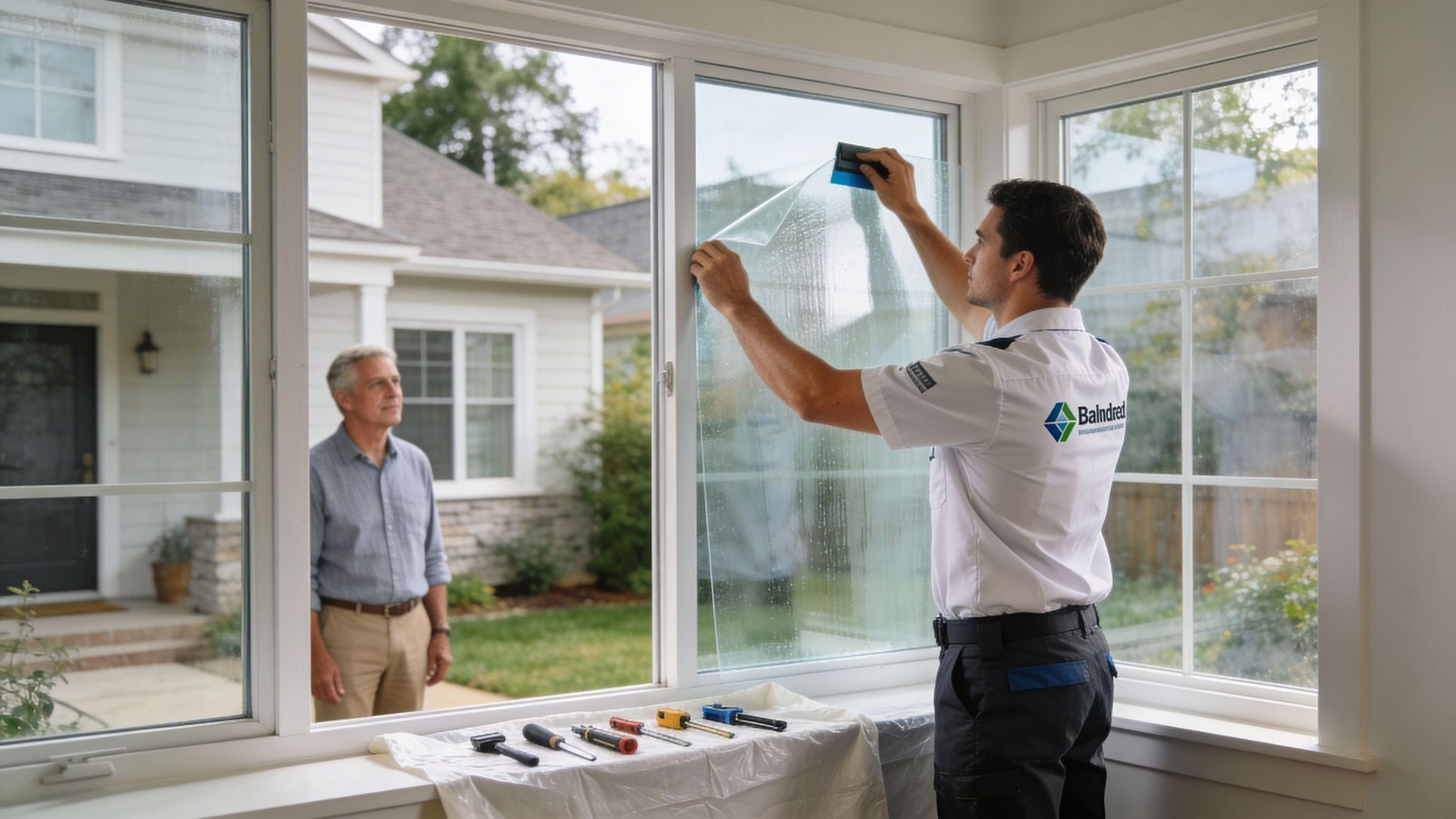
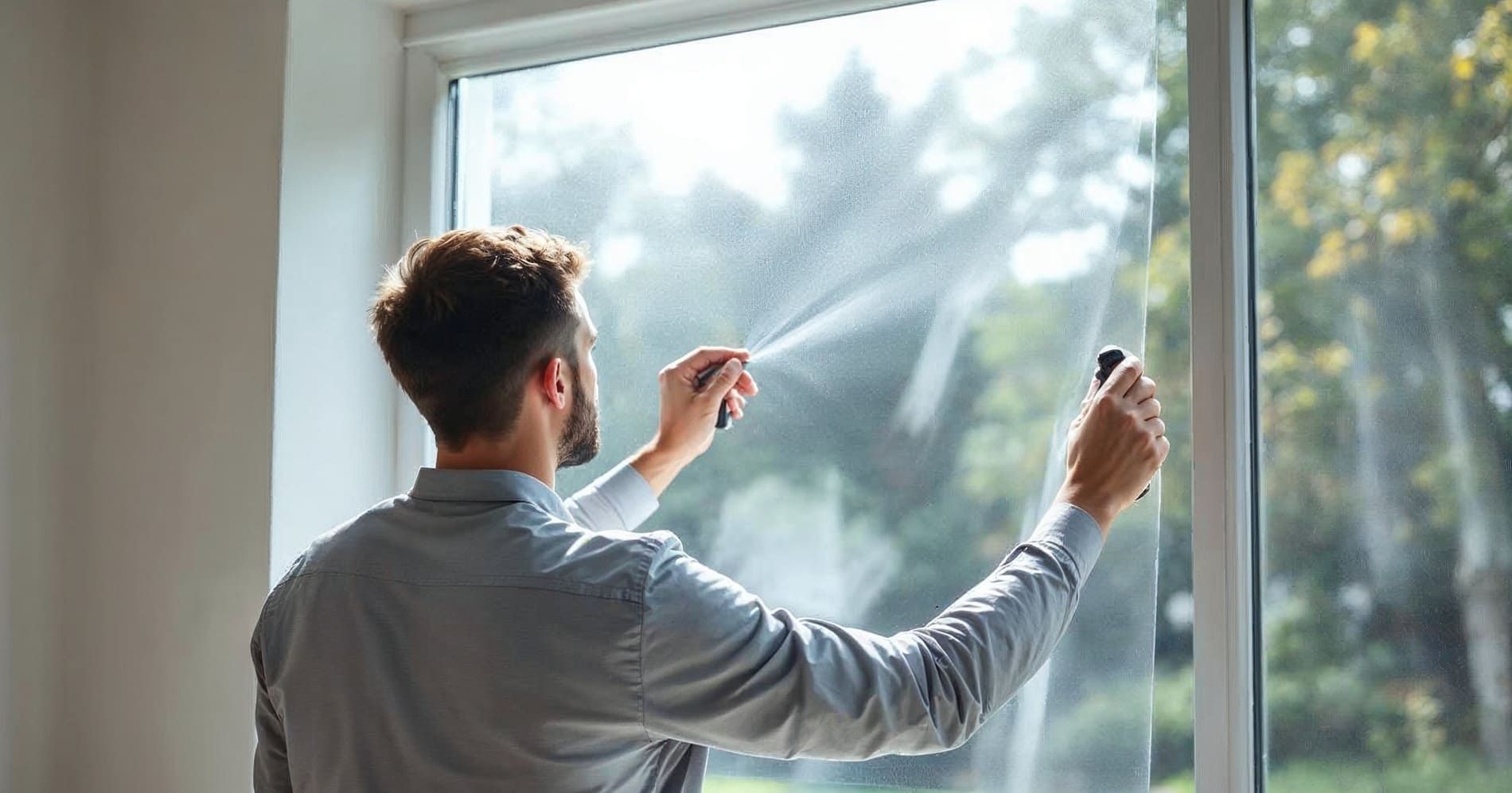
Film goes on the inside of the glass, with no construction or glass replacement required. Larger projects typically take anywhere from half a day to a few days, and schools often schedule work during breaks or weekends.
Update Your Emergency Plans and Train Your People
Physical upgrades only help if people know what to do. Update lockdown procedures, run drills, and make sure staff understand that security film buys time rather than making glass impenetrable.
Security Film Is One Layer of a Complete Safety Plan
No single product protects a building. Security professionals talk about "layered security," where each measure supports the others. A strong plan might include:
- Controlled access, with locked exterior doors, a secure entry vestibule, and visitor check-in.
- Hardened glass at entrances and ground-floor windows using security film, attachment systems, or ballistic glazing where needed.
- Emergency communication, such as silent panic alarms and building-wide notification. New Jersey's Alyssa's Law requires silent panic alarms in public schools.
- Cameras and monitoring at entrances and perimeter areas.
- Trained people, with regular lockdown drills and clear roles for staff.
Security film fits into this plan as an affordable way to strengthen existing glass. It supports your locks, alarms, and response plans by slowing an intruder down at the perimeter.
Why South Jersey Facilities Choose South Jersey Window Tinting
We've been installing window film across the tri-state area since 1985. Our certified installers and office staff take the time to understand your building and explain your options honestly, including what film can and can't do.
When you work with us, you get:
- Nearly four decades of experience with residential, commercial, and institutional window film projects.
- Experience with government facilities, including a privacy film installation at the 305th Air Mobility headquarters at McGuire Air Force Base.
- Security films in varying levels of protection, from nearly invisible clear films to Solar + Safety and anti-graffiti options.
- A manufacturer's limited warranty backing the performance of our security films.
- More than 200 five-star reviews from customers across South Jersey and the Philadelphia area.
- A discount for current military, veterans, and police officers.
Frequently Asked Questions About Security Film and Active Threats
Is security window film bulletproof?
No. Standard security window film is not bulletproof or bullet-resistant. Its purpose is to hold broken glass together and delay forced entry. If you need protection against gunfire, you need glazing that is specifically rated for ballistic resistance.
How long does security film delay an intruder?
It depends on the film thickness, the glass, whether an attachment system is used, and how the glass is attacked. No film makes glass impenetrable. The goal is to add enough delay for lockdown procedures and emergency response to begin.
Is security film worth it for schools and churches?
For many facilities, yes. Security film strengthens existing glass at a much lower cost than replacing it, can be installed with no construction, and adds solar and UV benefits. It works best alongside controlled access, alarms, and trained staff.
Can you see security film on windows?
Clear security films are nearly invisible, so your building keeps its open, welcoming appearance. We also offer tinted and reflective options if you want added privacy or heat control.
Where should security film be installed first?
Start with main entrance doors, sidelights, and vestibule glass. Then move to ground-floor windows near occupied rooms and secondary entrances.
How much does commercial security film cost?
Pricing is based on square footage and the film you choose. Send us approximate measurements or photos, or schedule an on-site visit, and we'll provide a free estimate.
Strengthen Your Building's Glass With South Jersey Window Tinting
Security window film won't stop bullets, and nobody should promise that it will. What it does is turn fragile glass into a real barrier that slows intruders down, keeps shattered glass in place, and supports your lockdown and emergency plans. For schools, houses of worship, daycares, medical offices, and businesses, that added time can make a meaningful difference.
If you're ready to evaluate your building's glass, contact South Jersey Window Tinting at 206 Medford Mt Holly Rd Suite C, Medford, NJ 08055. Call (856) 840-0900 or (800) 985-TINT, or request a free estimate online. We're open Monday through Friday, 8am to 5pm, and Saturdays by appointment. We proudly serve Medford, Cherry Hill, Mount Laurel, Marlton, Moorestown, Trenton, the Jersey Shore, Philadelphia, and facilities throughout the tri-state area.