Security Film for Daycares: Why It's Worth It
Daycare and childcare directors carry a responsibility that's different from almost any other small business owner: the physical safety of children who can't advocate for themselves. When it comes to hardening a facility against break-ins, severe weather, or worse, the glass surrounding entryways, classrooms, and lobbies is often the most overlooked vulnerability — and one of the most cost-effective to address.
The short answer: security window film is worth it for daycares because it directly addresses the fastest, most common way an intruder gains entry — breaking glass — while also protecting children and staff from flying glass during storms or accidents. It's not a single silver-bullet solution, and it won't stop gunfire on its own, but as part of a layered safety plan, it buys critical time and meaningfully reduces injury risk at a fraction of the cost of full window replacement or major construction.

Why Glass Is a Daycare's Most Overlooked Vulnerability
Childcare facilities are often built with generous glass — large classroom windows, glass entry doors, and sidelights that let natural light in and let staff supervise pickup and drop-off. That same glass, left untreated, offers essentially zero resistance to forced entry. Standard glass breaks in seconds under a deliberate strike, and once it's broken, an intruder can reach through, unlock a door, and be inside before staff have time to react.
This isn't a hypothetical risk unique to large-scale incidents. It applies just as directly to routine break-ins, attempted child abductions, and even accidental impacts from children or equipment. Ground-floor classroom windows, front entry doors, and reception-area sidelights are consistently the highest-priority zones because they're the most accessible and least supervised points around a facility's perimeter.
What Security Film Actually Does — and Doesn't Do
Security window film is a thick, multi-layer polyester film applied to the interior of existing glass. When the glass is struck, it still cracks, but the film holds the fragments together rather than letting them shatter and fall away. That turns what would otherwise be an instant breach into a slow, loud, physically demanding process — an intruder has to strike the same spot repeatedly, and even then, breaching a properly anchored film system typically takes far longer than most opportunistic intrusions are worth.
It's important to be direct about limitations here: security film is not bulletproof, and no window film on its own stops gunfire. What it does is delay and complicate forced entry, which in most real-world scenarios — break-ins, vandalism, attempted abductions, severe weather — is exactly the protection that matters. That delay creates critical extra time for staff to lock down, move children away from the area, and get law enforcement or emergency responders on site.
Where Security Film Matters Most in a Daycare Facility
| Location | Why It's a Priority | Recommended Approach |
|---|---|---|
| Front entry doors & sidelights | Most direct, visible access point | Security film with edge/frame anchoring |
| Ground-floor classroom windows | Accessible, often low visibility from street | Security film, thicker mil for exterior-facing rooms |
| Reception area glass | First point of contact, often glass-walled | Security film, can be paired with access control |
| Rear/side exit doors | Less supervised, often overlooked | Security film plus secondary door hardware |
| Interior classroom partitions | Lower priority for forced entry, higher for accidental impact | Standard safety film sufficient |
Not every pane of glass in a facility carries equal risk. A site walkthrough that ranks these zones by accessibility and visibility helps direct a security film budget toward the openings that matter most, rather than treating every window as an equal priority.
Security Film's Other Benefit: Protecting Kids From Broken Glass
Break-in resistance tends to get the most attention, but daycare directors should weigh an equally important benefit: injury prevention from ordinary accidents and severe weather. Untreated glass shatters into sharp, dangerous fragments whether it's broken by an intruder, a storm, or a child who trips into a window. Security film holds those fragments together in every one of those scenarios, not just the worst-case one.
For a facility full of young children, that everyday protection is arguably the more frequently relevant benefit. Severe weather, accidental impacts, and general wear on glass doors are far more statistically likely events than a forced-entry incident, and security film protects against all of them with the same underlying mechanism.
Does Security Film Affect Natural Light or Classroom Atmosphere?
One common concern among daycare owners is whether hardening glass means losing the bright, welcoming feel that's important for a childcare environment. Properly selected security film is optically clear — it doesn't change how the glass looks, darken the room, or give the facility an institutional appearance the way bars or heavy security grilles might. Classrooms and entryways keep their natural light and visibility for supervision purposes; the difference in impact resistance is invisible to a child or a parent walking through the door.

Security Film as Part of a Layered Safety Plan
Security film works best as one component of a broader approach to facility safety rather than a standalone fix. A complete plan for a childcare facility typically includes:
- Access control at main entry points, so visitors are buzzed in rather than able to walk in freely
- Security film on street-level glass, entry doors, and sidelights to delay forced entry and contain broken glass
- Staff lockdown procedures that are practiced regularly, so the extra time security film provides is actually used effectively
- Visibility management, balancing supervision sightlines with not making the interior fully visible from the street
Security film doesn't replace any of these — it buys the time that makes the rest of the plan work. A locked door and a trained staff response are far more effective when paired with glass that can't be broken through in a matter of seconds.
What to Expect From a Daycare Security Film Installation
1. Facility Walkthrough and Risk Assessment
An installer assesses every glass opening around the facility's perimeter, prioritizing entry doors, ground-floor classroom windows, and reception glass based on accessibility and visibility.
2. Film Selection by Zone
Higher-priority openings typically receive thicker film with frame anchoring, while lower-risk interior glass can use a lighter safety film, keeping the project cost-effective rather than uniformly maximal everywhere.
3. Scheduling Around Facility Hours
Installation is typically scheduled outside of operating hours or during closures to avoid disrupting classroom activities or child supervision routines.
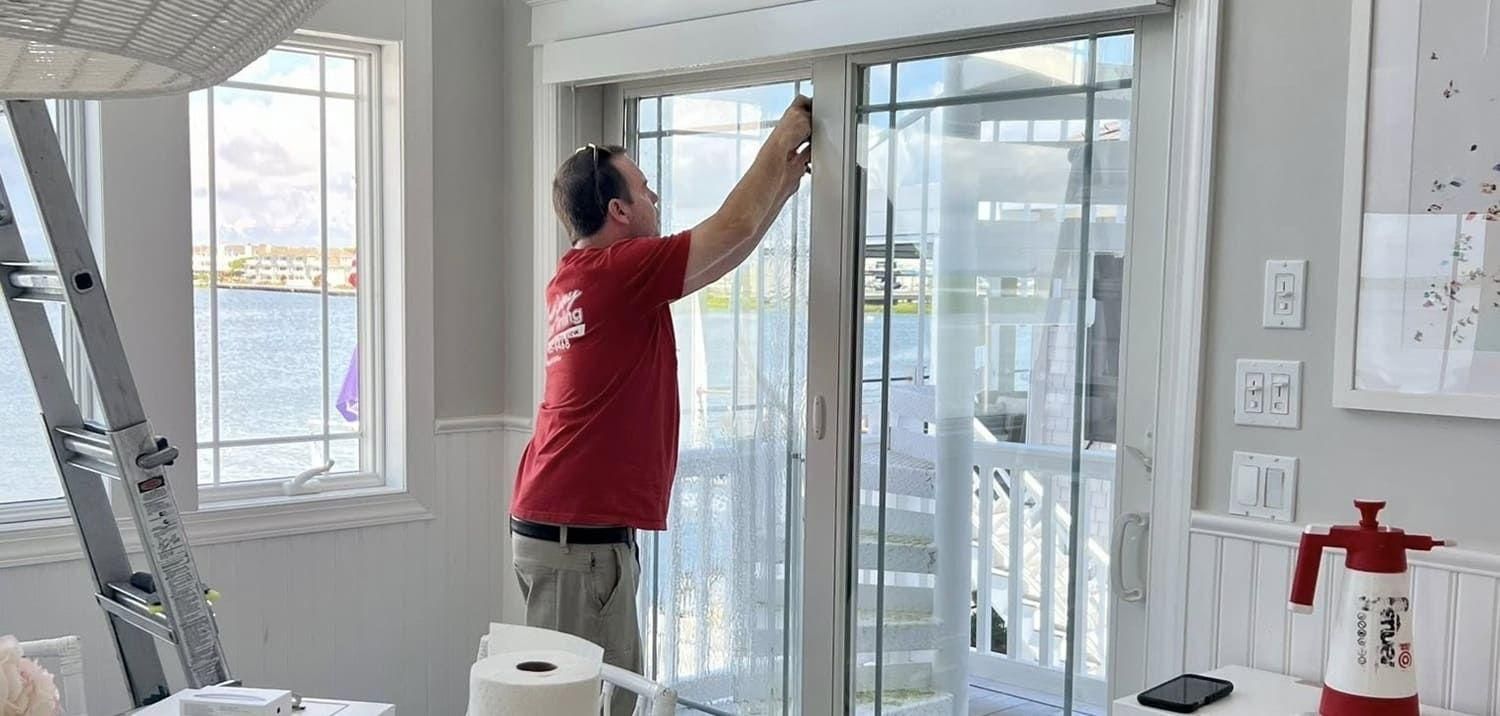
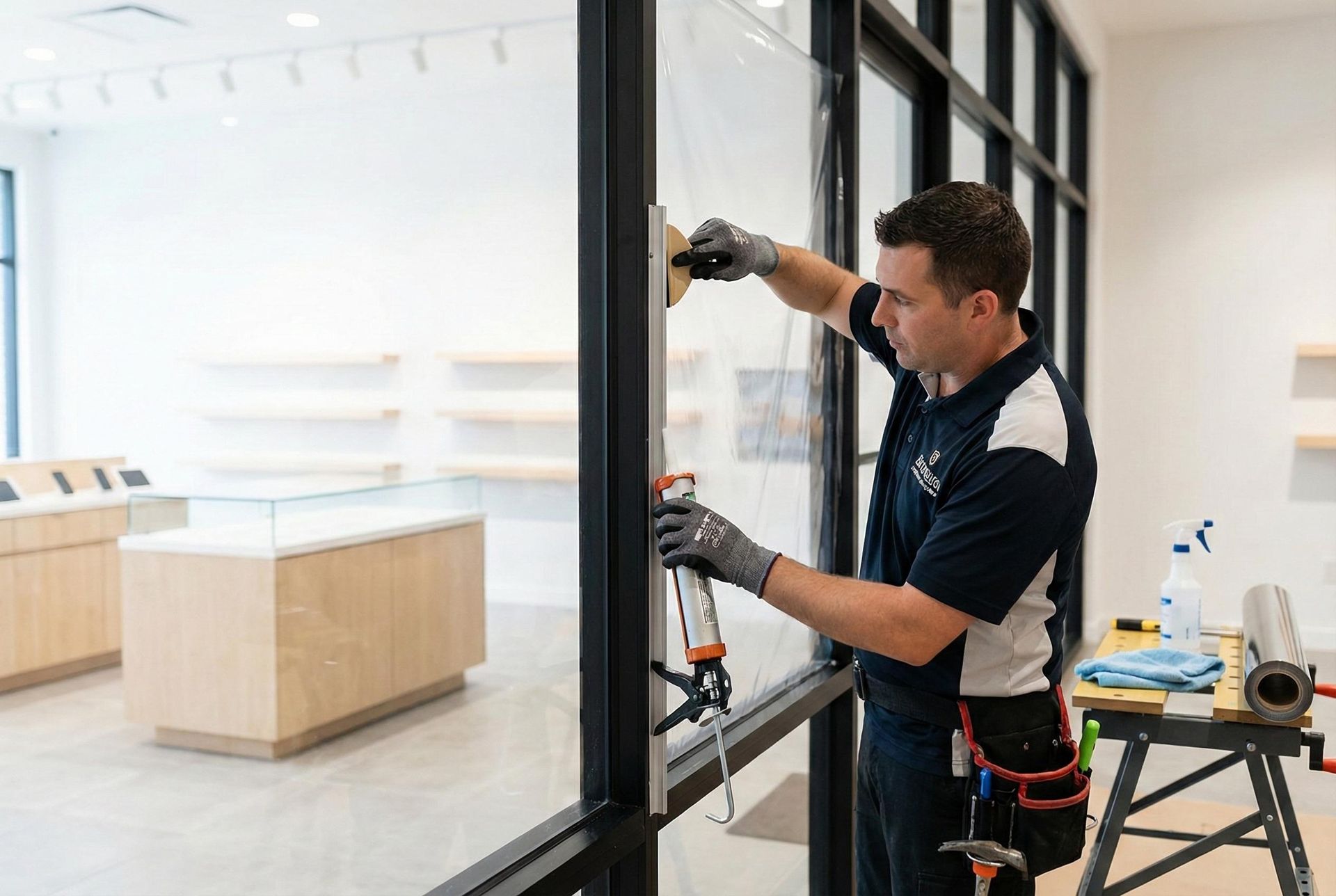
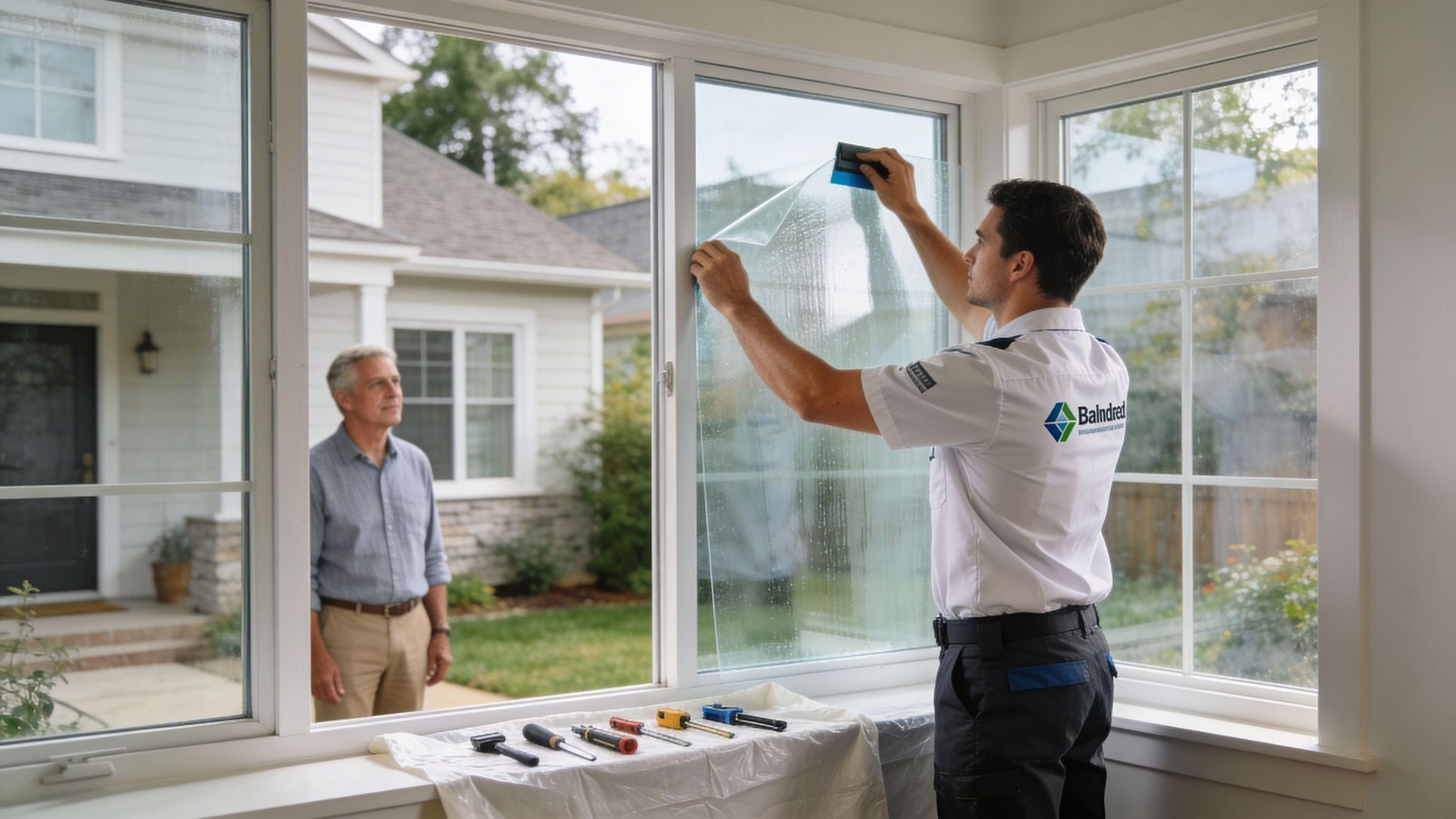
4. Professional Application
Film is applied and, where appropriate, mechanically anchored to the frame, ensuring the glass-and-film assembly resists being pushed free under force rather than just resisting cracking.
5. Documentation for Insurance and Licensing
Many facilities benefit from documentation of completed security upgrades, which can support conversations with insurance providers or licensing bodies about the facility's safety measures.
Why South Jersey Childcare Facilities Choose South Jersey Window Tinting
South Jersey Window Tinting has served homes and businesses throughout Medford, Cherry Hill, Trenton, Philadelphia, the Jersey Shore, and the greater South Jersey and Tri-State area since 1985. As an LLumar SelectPro Dealer offering Suntek's professional safety and security film lines for commercial applications, the company provides dedicated solutions for facilities where glass protection is a genuine priority — not just an add-on.
For childcare facility owners, that means working with an installer who can walk a property, identify true priority zones, and recommend film thickness and attachment methods matched to actual risk rather than a one-size-fits-all package — all backed by a lifetime warranty against bubbling, cracking, and color change.
Frequently Asked Questions About Security Film for Daycares
Is security film required for daycare licensing?
Requirements vary by state and licensing body, so facility owners should confirm specifics with their local licensing agency. Security film is generally considered a facility safety enhancement rather than a universally mandated requirement, though it can support broader safety compliance efforts.
Can security film stop an active shooter?
No single product can guarantee that. Security film does not stop gunfire, but it does delay forced entry through glass, which is a documented factor in how quickly an intruder can gain access to a building — that delay is the practical benefit it offers as part of a layered security plan.
Will security film make our classrooms feel darker or less welcoming?
No. Security film is optically clear and doesn't change how the glass looks or reduce natural light, so classrooms retain their bright, open feel while gaining impact resistance.
Does security film help with anything besides break-in protection?
Yes. It holds glass together during storms, accidental impacts, and general wear, reducing injury risk from broken glass in situations far more common than a forced-entry event.
Which windows should a daycare prioritize first?
Front entry doors, sidelights, and ground-floor classroom windows are typically the highest priority, since they're the most accessible and least supervised points around a facility.
How long does security film installation take for a daycare facility?
Timing depends on the number of openings involved, but installation is typically scheduled around facility hours or closures to avoid disrupting classroom activities, with most projects completed efficiently to minimize downtime.
Give Your Facility a Real Layer of Protection
For daycare and childcare facility owners, security film is one of the most practical, cost-effective safety upgrades available — hardening the exact points most likely to be tested, without changing how the building looks or feels to the families who walk through it every day.
South Jersey Window Tinting offers free commercial estimates for childcare facilities throughout Medford, Cherry Hill, Trenton, Philadelphia, the Jersey Shore, and the greater South Jersey and Tri-State area. Call (856) 840-0900 or (800) 985-TINT to schedule a facility walkthrough.
Does Security Film Stop Active Shooter Threats? What South Jersey Schools and Businesses Should Know