Best Security Film for Ground-Floor Windows & Sliders
Ground-floor windows and sliding glass doors are the two most common entry points for break-ins — they're low, often hidden from street view, and standard glass gives way in seconds under force. If you've been looking into ways to harden those weak points without replacing every window in your home, security window film is one of the most effective, budget-friendly options available.
The short answer: the best security film for ground-floor windows and sliders is a thick, clear polyester safety and security film — typically in the 8 to 14 mil range — professionally installed with an edge-to-edge attachment system. Rather than making glass unbreakable, it holds shattered glass together on impact, turning what would be an easy break-in into a slow, loud, difficult one that most intruders won't stick around to finish.
Here's what makes security film effective, how to choose the right thickness, and what South Jersey homeowners should know before installing it.

How Security Film Actually Protects Ground-Floor Windows
Security film is a clear polyester film applied to the interior surface of glass, engineered specifically for impact resistance rather than sun control. When ordinary glass is struck, it shatters and falls away almost instantly. Glass treated with security film still cracks on impact, but the film holds the fragments together in a single sheet rather than letting them fall free, which means an intruder has to work through the glass a second time — pushing, kicking, or striking repeatedly — just to create an opening large enough to get through.
That extra time and noise is the entire point. Most break-in attempts are opportunistic and time-sensitive; intruders are counting on a fast, quiet entry. A window or slider that takes multiple loud, forceful hits to breach removes exactly the advantage they're relying on, and in many cases causes them to abandon the attempt and move on.
Why Ground-Floor Windows and Sliders Are the Priority
Ground-floor windows and sliding glass doors see a disproportionate share of break-in attempts for a simple reason: accessibility. They don't require a ladder, they're often screened from street view by landscaping or fencing, and sliding doors in particular are frequently secured with locks that are easier to defeat than a standard window latch. Reinforcing these specific points with security film addresses the areas of greatest actual risk, rather than treating every window in the home as an equal priority.
Choosing the Right Security Film Thickness
Security film is measured in mils (thousandths of an inch), and thickness directly affects how much impact resistance the film provides. Here's how the common options compare for ground-floor applications.
| Film Thickness | Impact Resistance | Best For | Notes |
|---|---|---|---|
| 4-7 mil | Light | Interior glass, low-risk areas | Below the recommended range for ground-floor security use |
| 8-10 mil | Moderate-High | Standard ground-floor windows | Common baseline for residential security film |
| 12-14 mil | High | Sliding glass doors, high-risk entry points | Preferred for the highest-traffic break-in targets |
| 14+ mil (with anchoring systems) | Very High | Storm-prone or high-security applications | Often paired with frame anchoring for maximum hold |
For most South Jersey homes, an 8 to 10 mil film provides solid protection for standard ground-floor windows, while sliding glass doors — given how frequently they're targeted — often justify stepping up to 12 mil or higher.
Does Security Film Need Special Hardware to Work?
Film alone significantly improves impact resistance, but the strongest security film installations pair the film with an attachment system that anchors the film to the window frame rather than just the glass. This matters because determined force applied at the edges of a window can sometimes push an intact, film-covered sheet of glass out of its frame rather than breaking through it. A properly engineered edge attachment — sometimes called a wet-glaze or mechanical attachment system — closes that gap by securing the film-and-glass assembly directly to the frame itself.
For sliding glass doors specifically, pairing security film with a secondary lock or bar in the door track adds another layer of resistance, since sliders are often compromised by lifting or forcing the door off its track rather than breaking the glass at all. Security film addresses the glass; door hardware addresses the frame and track — the two work best together rather than as substitutes for one another.
Security Film vs. Standard Solar Window Tint
It's a common misconception that any window tint adds meaningful security. Here's how the two actually compare.
| Factor | Standard Solar Tint | Security & Safety Film |
|---|---|---|
| Primary Purpose | Heat/glare/UV reduction | Impact resistance, glass retention |
| Typical Thickness | 1-4 mil | 8-14+ mil |
| Holds Shattered Glass Together | Minimal | Yes, significantly |
| UV Protection | Yes | Yes, often comparable |
| Best For | Comfort, energy savings, fading protection | Break-in resistance, storm debris, forced entry |
Many security films also provide strong UV rejection and some heat reduction as a secondary benefit, but the reverse isn't true — standard solar films aren't engineered or tested for impact resistance, so they shouldn't be relied on for security purposes even though they're both broadly categorized as "window tint."

How Security Film Installation Works
1. Assessing Entry-Point Risk
An installer evaluates which windows and doors present the greatest security priority based on accessibility, visibility from the street, and existing hardware, so the right film thickness and attachment method are matched to each opening.
2. Selecting Film Thickness and Attachment Method
Based on that assessment, film thickness is selected along with whether a standard edge application or a full frame-anchoring system is appropriate for higher-risk points like sliding doors.
3. Glass Preparation
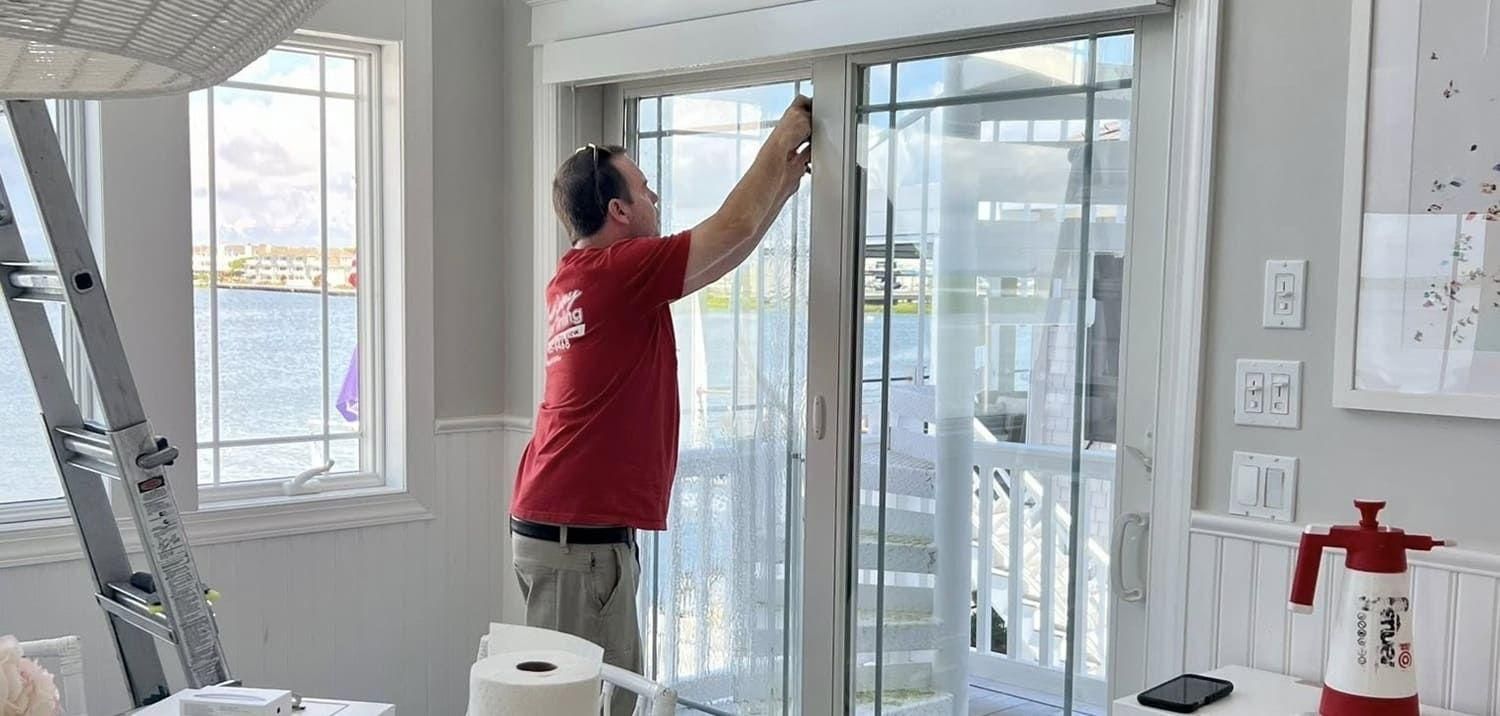
Each pane is thoroughly cleaned to remove dust and residue, since even minor contamination can affect adhesion and long-term performance of a film this substantial.
4. Precision Application
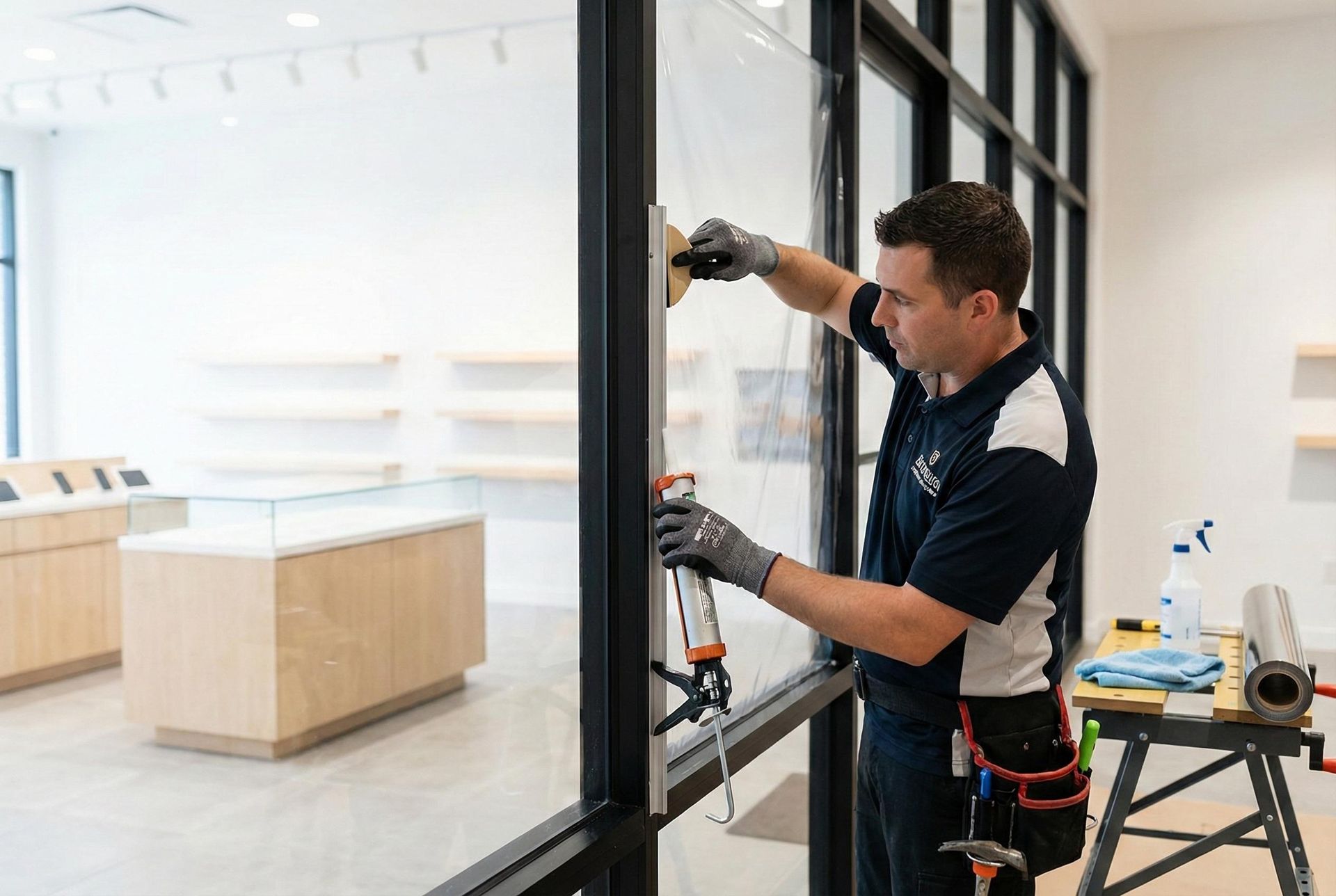
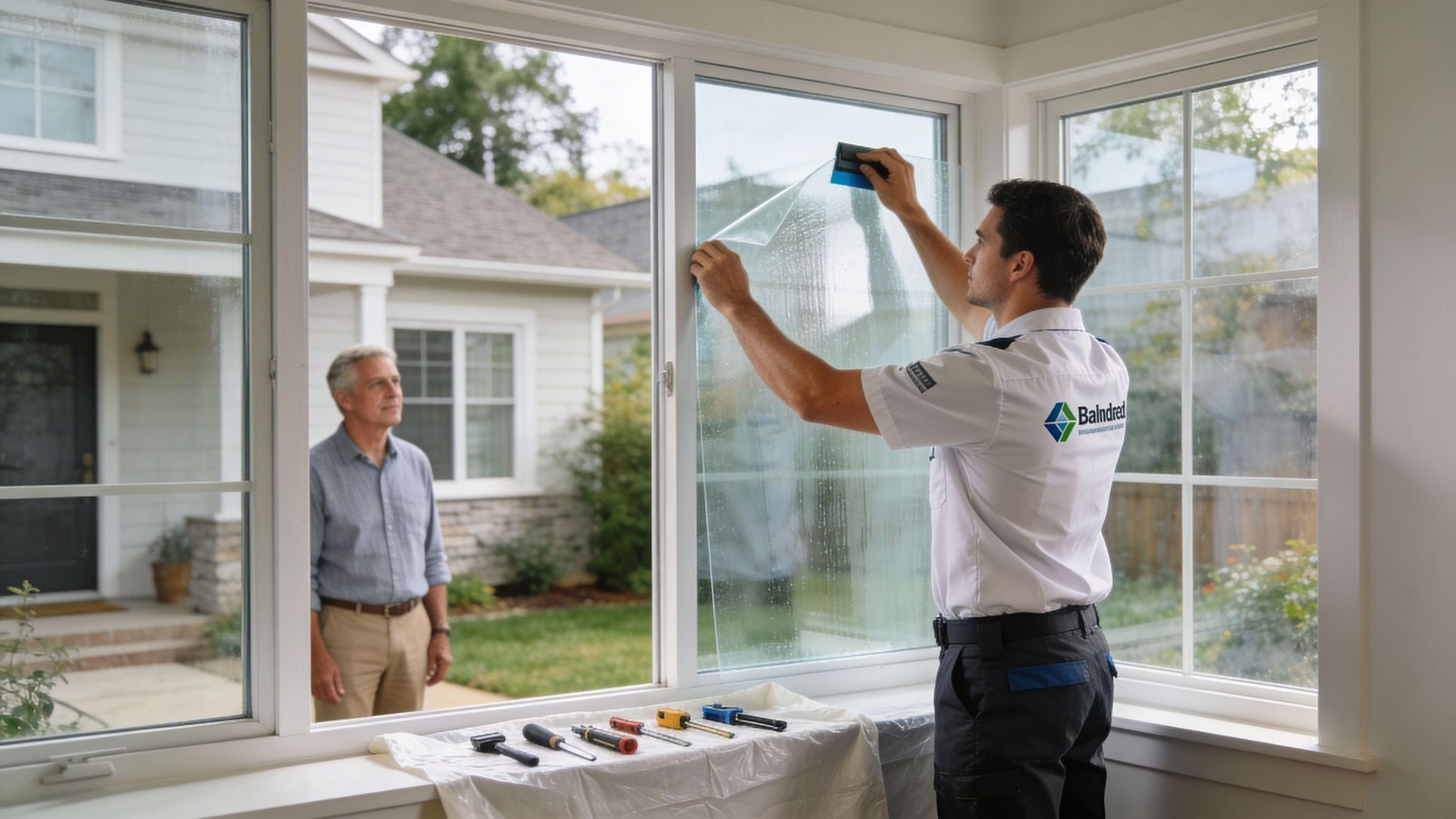
The film is applied and smoothed into place with specialized tools suited to its thickness, ensuring full, bubble-free adhesion across the entire pane.
5. Edge Attachment (If Applicable)
For higher-security applications, the film is mechanically or chemically anchored to the window frame, closing the gap that allows glass to be pushed free of its frame under sustained force.
Does Security Film Have Other Benefits Beyond Break-In Resistance?
Yes. The same film that resists forced entry also holds glass together if it's broken by storm debris, an accidental impact, or general wear, which reduces injury risk from flying glass fragments in any of those scenarios. Most security films also block a significant portion of UV rays, offering the fading protection and comfort benefits associated with standard solar film as a built-in secondary advantage, rather than something homeowners need to choose between.
Why South Jersey Homeowners Choose South Jersey Window Tinting
South Jersey Window Tinting has served homeowners and businesses throughout Medford, Cherry Hill, Trenton, Philadelphia, the Jersey Shore, and the broader South Jersey and Tri-State area since 1985. As an LLumar SelectPro Dealer offering Suntek's professional film lines, the company provides dedicated safety and security film options for both residential and commercial properties, backed by a lifetime warranty against bubbling, cracking, and color change.
That combination of four decades of local experience and manufacturer-level film access matters most for security-focused installations, where correct thickness selection and proper edge attachment make the difference between a film that performs under real force and one that doesn't.
Frequently Asked Questions About Security Film for Windows and Sliders
Does security film make windows unbreakable?
No. Security film doesn't prevent glass from cracking, but it holds the shattered pieces together, which makes forced entry significantly slower, louder, and more difficult — often enough to cause an intruder to give up.
What thickness of security film is best for a sliding glass door?
Most professionals recommend 12 mil or higher for sliding glass doors, given how frequently they're targeted, though a properly installed 8 to 10 mil film still offers a meaningful improvement over untreated glass.
Can I install security film myself?
Thicker security films are considerably harder to work with than standard tint and require specialized tools and technique to apply without bubbles or edge lifting. Professional installation, especially when paired with frame anchoring, is strongly recommended for security-focused applications.
Does security film stop all forced entry attempts?
No single product guarantees complete prevention, but security film significantly raises the time, noise, and effort required, which is often enough to deter an opportunistic break-in attempt. Pairing it with secondary door and window locks provides the most complete protection.
Is security film only useful for break-in protection?
No. It also holds glass together during storms or accidental impacts, reducing injury risk from broken glass, and most security films provide meaningful UV protection as an added benefit.
How much does security film typically cost compared to standard tint?
Security film generally costs more than standard solar tint due to its greater thickness and the specialized installation it requires, though it's still substantially less expensive than replacing windows or doors with impact-rated glass.
Reinforce Your Home's Weakest Points
Ground-floor windows and sliding glass doors don't have to be the easiest way into your home. Professionally installed security film adds a real, tested layer of resistance exactly where it matters most, without the cost or disruption of replacing glass entirely.
South Jersey Window Tinting offers free estimates for residential and commercial security film throughout Medford, Cherry Hill, Trenton, Philadelphia, the Jersey Shore, and the greater South Jersey and Tri-State area. Call (856) 840-0900 or (800) 985-TINT to find the right security film for your home.
Does Security Film Stop Active Shooter Threats? What South Jersey Schools and Businesses Should Know