Does Security Film Lower Your Home Insurance Premium?
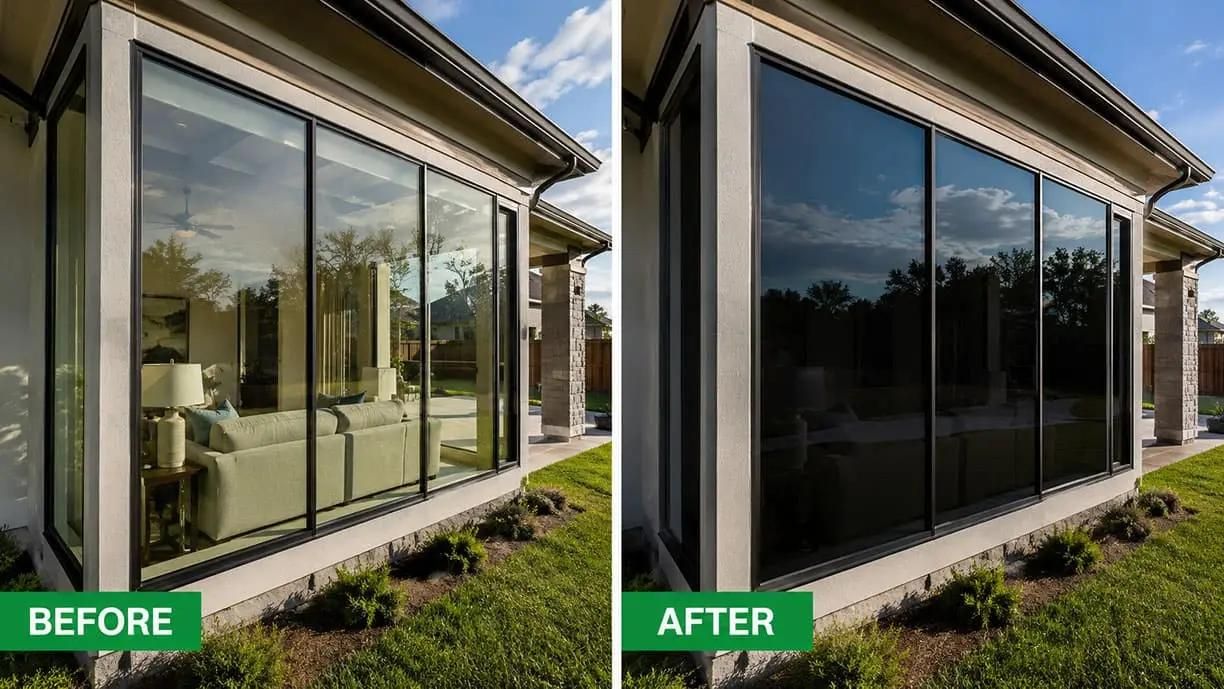
Homeowners in Medford, NJ and across Burlington and Camden County increasingly install security window film for break-in protection, storm resistance, and UV control, and then immediately wonder: will my insurance company reward me for this upgrade? It is a fair question, and the honest answer is: sometimes, but it depends entirely on your carrier.
Insurance discounts for home security upgrades vary widely by provider, policy type, and how the insurer classifies each protective measure. Security window film is not universally recognized as a discount-qualifying upgrade the way monitored alarm systems traditionally are, but that does not mean it has no impact on your insurance situation. Installing premium-grade shatterproof window film from trusted brands like Suntek, LLumar, Vista, 3M, or Avery can still strengthen your overall risk profile, support a claim for reduced vulnerability, and position you as a lower-risk homeowner when you have the right conversation with your provider.
The right decision depends on your carrier's specific policies, your home's existing risk factors, and the film product and thickness you choose. This guide walks you through everything you need to know.
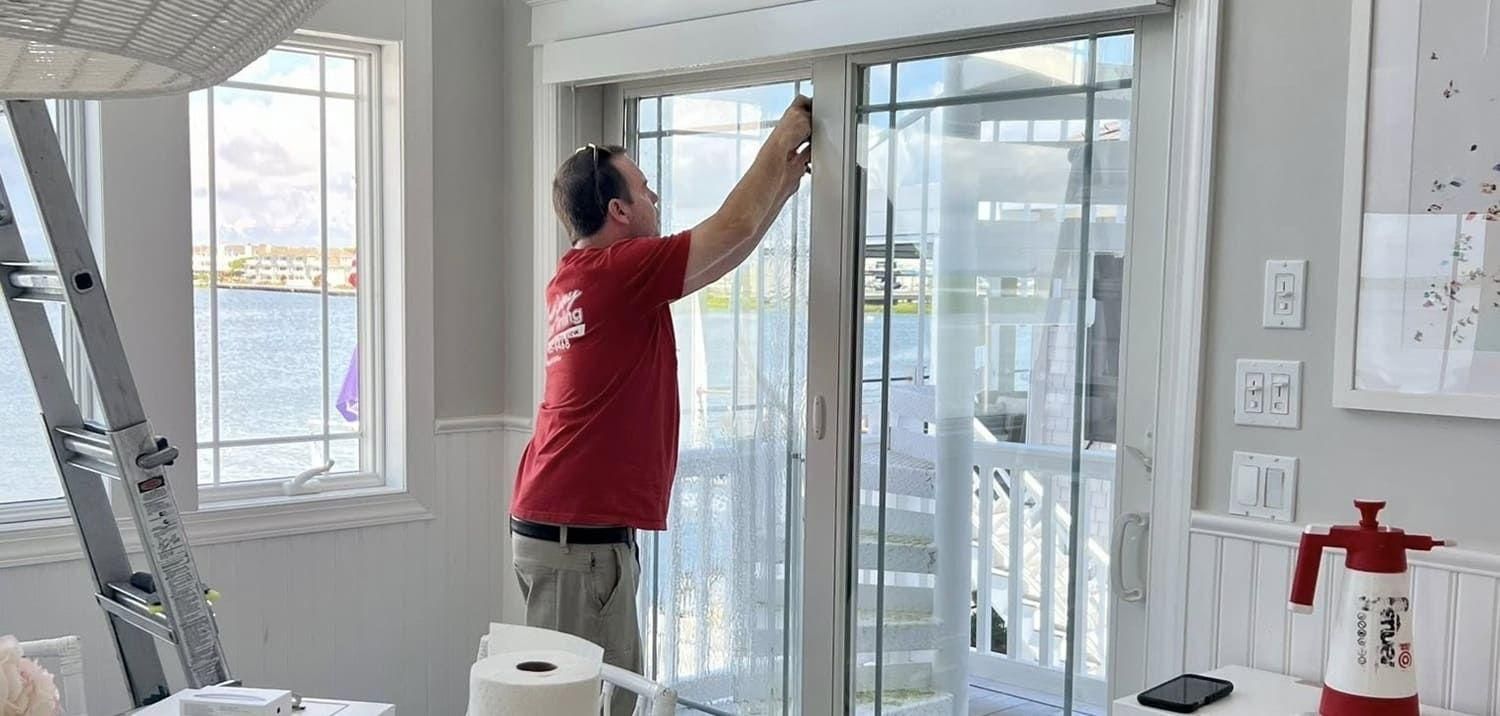
Table of Contents
- How Home Insurance Premiums Are Calculated, and Where Security Fits In
- Does Security Window Film Qualify for an Insurance Discount?
- What Insurers Actually Look For in a Security Upgrade
- Security Film vs. Other Security Upgrades Insurers Recognize
- How to Ask Your Insurance Provider About a Discount
- The Non-Insurance Financial Benefits of Security Film
- Getting the Most Value From Security Film in South Jersey
- FAQ: Security Window Film and Home Insurance
How Home Insurance Premiums Are Calculated, and Where Security Fits In
Home insurance premiums are calculated based on risk. Insurers evaluate how likely a claim is to occur and how costly it might be. The factors they weigh include your home's location, age, construction materials, claims history, proximity to fire stations, and the presence of security measures that reduce the likelihood or severity of loss.
Security-related premium adjustments typically fall into two categories: theft and vandalism deterrence, and structural protection against weather or forced entry. Monitored alarm systems, deadbolts, reinforced doors, and impact-resistant windows are among the most recognized upgrades in both categories. Security window film occupies an interesting position because it can contribute meaningfully to both categories, yet it is not always named explicitly in standard policy discount schedules.
Where Windows Fit Into the Risk Picture
Windows are one of the most common points of entry for burglars and one of the most vulnerable components of a home during a storm. Standard single-pane or older double-pane glass can be shattered quickly, allowing forced entry in seconds or creating dangerous shards during a hurricane or severe thunderstorm. When an insurer looks at your home's security profile, the condition and reinforcement of your windows are part of the picture, even if they rarely discuss it at the point of sale.
Security window film addresses this vulnerability directly by holding glass in place after impact. That single characteristic has implications for both burglary risk and storm damage risk, which are the two largest drivers of residential property claims in South Jersey and across the region.
Does Security Window Film Qualify for an Insurance Discount?
Security window film can qualify for an insurance discount, but there is no guarantee, and the discount is not automatic. Whether your insurer will reduce your premium depends on three things: whether they recognize window film as a qualifying security upgrade, whether your policy includes a category for impact-resistant or anti-intrusion window treatments, and whether you can document the installation properly.
Some national carriers and a growing number of regional insurers do recognize window film, particularly when the product meets specific standards for forced-entry delay or impact resistance. Film products that carry ratings such as ANSI Z97.1, CPSC 16 CFR 1201, or GSA/FBI forced-entry certifications carry the most weight with insurers that do assess window treatments in their underwriting criteria.
What You Are More Likely to Encounter
In most cases, homeowners in Medford, NJ and South Jersey will find that their carrier does not list window film as a named discount item. That does not mean the conversation is over. Many insurers have discretionary underwriting adjustments available when a homeowner can demonstrate meaningful risk reduction. The key is knowing how to frame the upgrade and presenting the right documentation, which we will cover in a later section.
It is also worth noting that some carriers may apply the discount through a related category. For example, if your policy includes a discount for impact-resistant glass or storm protection upgrades, professionally installed security film from a certified product line may qualify under that umbrella depending on the film specification and your insurer's interpretation.
What Insurers Actually Look For in a Security Upgrade
Insurance underwriters are fundamentally asking one question: does this upgrade reduce the probability or cost of a claim? For security upgrades to qualify for a premium reduction, most insurers look for several key criteria.
Demonstrated Performance Standards
Insurers want to see that the product meets a recognized performance standard. For security window film, that means products tested to forced-entry delay standards, impact resistance certifications, or storm protection ratings. Premium film products from manufacturers like Suntek, LLumar, 3M, Vista, and Avery are engineered to meet or exceed these standards, which is an important distinction from entry-level films that offer limited structural benefit.
Professional Installation
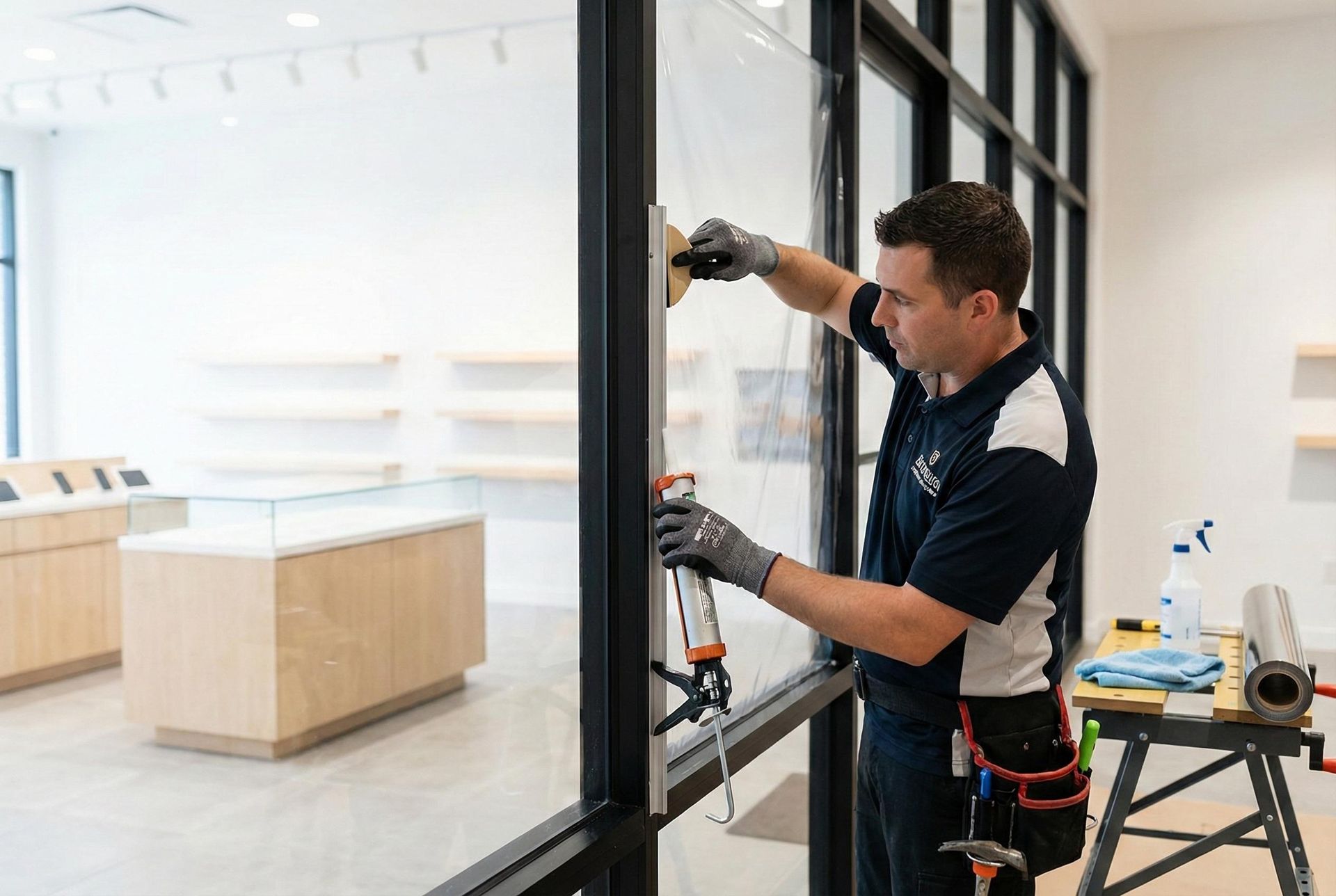
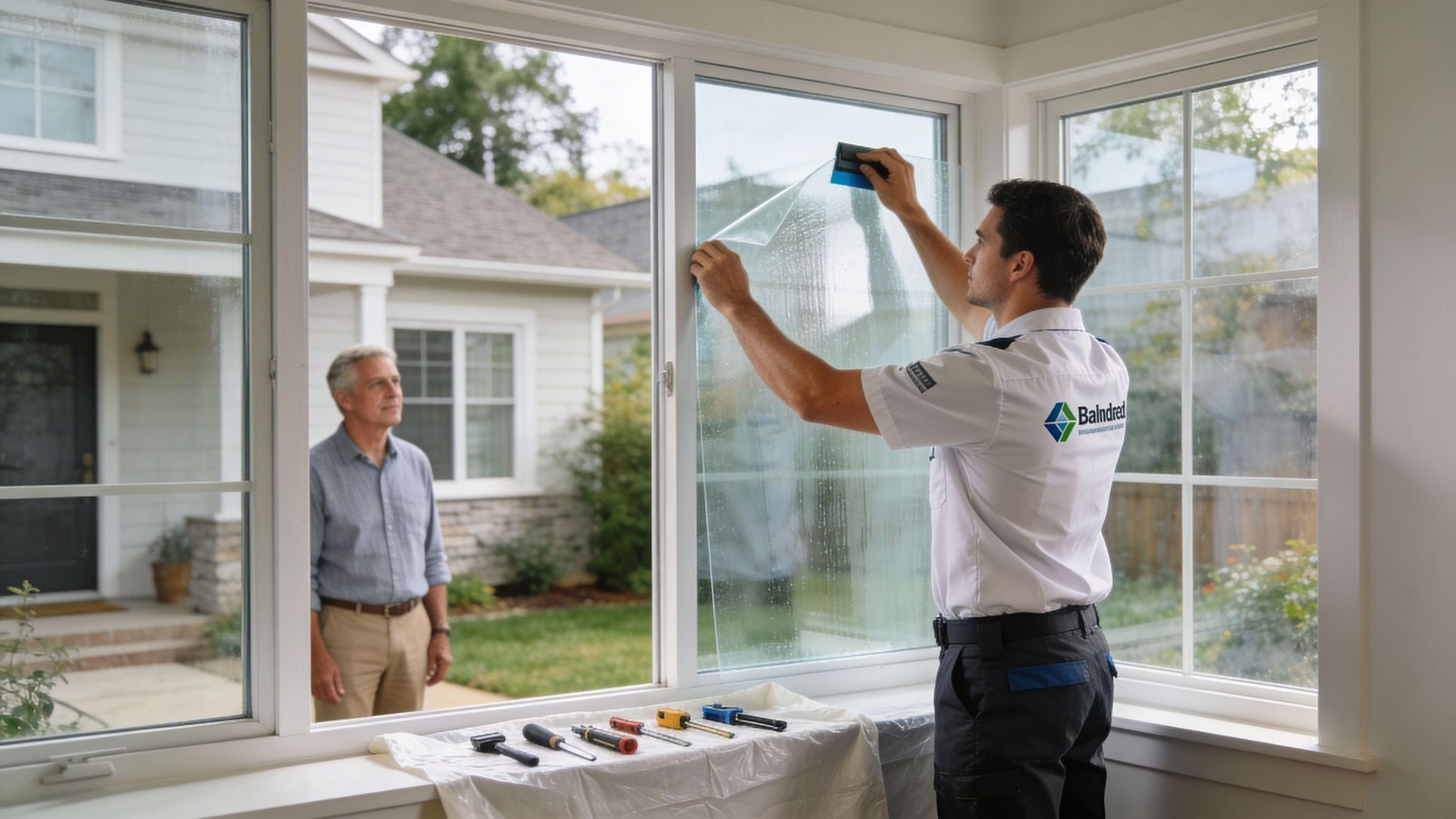
Self-installed film is unlikely to satisfy an insurer's criteria even if the product itself is certified. Professional installation by a trained window film dealer ensures proper adhesion, full coverage, and no gaps at the edges where film can peel under pressure. An insurer looking at your upgrade documentation will want to see an invoice from a licensed installer, not a receipt from a home improvement store.
Documentation and Third-Party Verification
Insurers typically require documentation before applying any discount. For security film, this includes the product specification sheet showing performance ratings, the installation invoice from the professional installer, and in some cases a letter from the installer confirming the scope of the installation, the film specification, and the coverage area. Keeping this paperwork on file is essential before you contact your insurer to request a rate review.
Film Thickness as a Risk Signal
Not all security window film is the same. Thickness, measured in mils, is one of the clearest signals of protective capability. The table below summarizes how different thickness levels compare in terms of likely insurer recognition and risk profile.
| Film Thickness | Primary Use Case | Insurer Risk Signal | Forced-Entry Delay | Storm/Impact Protection | Likely Documentation Needed |
|---|---|---|---|---|---|
| 4 to 6 mil | UV blocking, basic safety | Low to minimal | Minimal | Basic glass retention | Product spec sheet |
| 8 mil | Entry-level security, vandalism resistance | Moderate | Meaningful delay for opportunistic entry | Good glass retention in impact | Spec sheet plus installer invoice |
| 12 to 15 mil | High-security, storm, forced-entry | Higher, most likely to qualify for underwriting consideration | Significant delay, meets GSA/FBI standards in some products | Strong retention, suited for storm-prone areas | Certified product spec, installer invoice, performance rating documentation |
When speaking with your insurer, leading with a 12 to 15 mil product from a certified manufacturer gives you the strongest possible documentation case. South Jersey Window Tinting carries and installs security film options from Suntek, LLumar, Vista, 3M, and Avery at multiple thickness levels to match both your protection goals and your documentation needs.
Security Film vs. Other Security Upgrades Insurers Recognize
To understand where security window film fits in an insurer's mind, it helps to compare it directly to upgrades that are more commonly built into premium discount schedules. The following table offers a structured comparison.
| Security Upgrade | Typical Insurance Discount Potential | Upfront Cost | Ongoing Monthly Cost | Break-In and Forced-Entry Deterrence | Storm and Impact Protection | Impact on Home Appearance | Ease of Installation |
|---|---|---|---|---|---|---|---|
| Security Window Film (8 to 15 mil) | Low to moderate, carrier dependent, not universally listed | $500 to $2,500+ depending on home size and film spec | None | High: delays forced entry, holds glass in place | High: retains shattered glass, reduces injury and damage | Minimal: nearly invisible on most products | Professional installation required, typically half a day to one day |
| Monitored Alarm System | High: 5 to 20 percent discount, widely recognized | $200 to $1,000+ for equipment | $25 to $60 per month for monitoring | High: alerts and deters, may scare off intruders | None | Visible devices on windows, doors, and walls | Moderate: professional setup typically required |
| Deadbolts and Physical Door Hardware | Low to moderate: 2 to 5 percent, some carriers recognize | $50 to $300 per door | None | Moderate: strengthens primary entry points only | None | Minimal | Easy to moderate: DIY or locksmith installation |
What this comparison illustrates is that security window film fills a gap that no other common upgrade covers. A monitored alarm system can alert you after a window is broken. A deadbolt strengthens your door. But neither prevents the glass from breaking or retains shards during a storm. For homeowners in Medford, NJ and across Burlington and Camden County, where both property crime and severe weather events are real concerns, that distinction matters.
Combining security film with a monitored alarm system and reinforced door hardware creates a layered security profile that is genuinely more compelling to an insurer, even if each individual upgrade only qualifies for a modest adjustment on its own.
How to Ask Your Insurance Provider About a Discount
Approaching your insurer about a security film discount does not need to be complicated. The following steps give you the best chance of a favorable result.
Step One: Gather Your Documentation Before You Call
Have your product specification sheet, installer invoice, and any performance rating certifications on hand before you contact your carrier. If South Jersey Window Tinting installed your film, ask them for a written summary of the product installed, the film specification, and the coverage area. This documentation is the foundation of your request.
Step Two: Use the Right Language With Your Agent
Do not ask whether window film qualifies for a discount. Instead, ask whether your policy includes a category for impact-resistant window treatments, anti-intrusion upgrades, or storm protection improvements. Frame the conversation around risk reduction and documented performance rather than the product name. Many agents are unfamiliar with security film but are familiar with the risk categories it addresses.
Step Three: Request a Policy Review or Underwriting Note
Even if your carrier does not offer a formal discount for security film, ask that your installation be documented in your policy file as a risk mitigation measure. This can support your position during a claim and may become relevant if your carrier updates its discount schedule or if you switch carriers in the future.
Step Four: Shop the Comparison
If your current carrier does not recognize security film but a competing carrier does, that is worth knowing. When your policy comes up for renewal, being able to demonstrate a fully documented security film installation alongside a monitored alarm and reinforced entry points positions you as a lower-risk client that carriers compete for.
The Non-Insurance Financial Benefits of Security Film
Whether or not your insurer offers a direct premium discount, security window film delivers measurable financial value in several other ways that are worth factoring into your decision.
Reduced Replacement and Repair Costs After Incidents
When glass is broken during a break-in attempt, the damage extends beyond the window itself. Broken glass on interior floors, furniture, and flooring can multiply repair costs significantly. Security film holds glass in place after impact, which reduces the scope of damage and the cost of post-incident repair. In some cases, this may reduce the size of a future claim or allow you to absorb the cost without filing a claim, which protects your claims history.
Energy Savings and Cooling Cost Reduction
Many security film products from Suntek, LLumar, and 3M also carry solar control properties that block a significant percentage of solar heat gain. For South Jersey homeowners with south or west-facing windows, this can translate to meaningful reductions in summer cooling costs. While these savings are not insurance-related, they contribute to the overall return on investment and make the decision to install security film financially sound regardless of the insurance outcome.
UV Protection and Interior Preservation
Security film with UV-blocking properties protects flooring, furniture, artwork, and window treatments from fading. The cost of replacing sun-damaged interior finishes over time can easily exceed the cost of professional film installation, making this a real financial benefit for homeowners in sun-exposed South Jersey homes.
Protection Without Window Replacement
Impact-resistant windows and laminated glass are among the most effective structural upgrades a homeowner can make, but they cost significantly more than security window film. For homeowners who want improved security and storm protection without the expense and disruption of full window replacement, security film from Avery, Vista, or LLumar provides a substantial portion of the protective benefit at a fraction of the cost.
Getting the Most Value From Security Film in South Jersey
For homeowners specifically in Medford, NJ and the surrounding Burlington and Camden County areas, a few regional factors make security window film particularly relevant.
Storm and Weather Exposure
South Jersey is not immune to severe weather. Nor'easters, tropical storm remnants, and intense summer storms regularly produce wind-driven debris that can break residential windows. Storm protection window film NJ homeowners install today can reduce both property damage and personal injury risk in the next major storm event. That risk reduction narrative is one that resonates with insurers operating in the region.
Residential Property Crime Context
Burlington and Camden County both include communities with varied crime profiles. While Medford itself is a lower-crime suburb, many South Jersey homeowners have reason to consider break-in deterrence, particularly for first-floor windows and sliding glass doors that are common forced-entry points. Residential security film Medford NJ homeowners choose to install addresses this vulnerability without altering curb appeal or requiring structural changes.
Choosing the Right Film for Your Goals
South Jersey Window Tinting can help you identify the right product for your specific goals. If your primary concern is insurance documentation, a thicker certified film from 3M or LLumar with performance rating paperwork may be the right choice. If your priorities also include solar control and UV protection, a dual-purpose security and solar film from Suntek or Vista may deliver more comprehensive value. The right film is the one that aligns with your protection goals, your home's specific vulnerabilities, and your documentation needs for the insurance conversation.
FAQ: Security Window Film and Home Insurance
Does security window film automatically qualify for a home insurance discount?
No. Security window film does not automatically qualify for a premium discount. Whether it qualifies depends on your specific carrier, your policy type, and whether the film meets the performance standards your insurer recognizes. Calling your insurer with documentation in hand is the best way to find out what your policy allows.
Which insurance carriers recognize security window film?
There is no public list of carriers that universally recognize security window film. Some national carriers and regional insurers do acknowledge it, particularly for products with ANSI, CPSC, or GSA/FBI forced-entry ratings. The most reliable approach is to contact your agent directly and ask whether your policy includes a category for anti-intrusion or impact-resistant window upgrades.
What documentation do I need to request an insurance discount for window film?
You will typically need the product specification sheet showing performance ratings and certifications, a professional installation invoice from your window film dealer, and in some cases a written summary from the installer describing the film type, thickness, and coverage area. South Jersey Window Tinting can provide this documentation at the time of installation.
Does security window film count the same as a monitored alarm system for insurance purposes?
Not typically. Monitored alarm systems are more universally recognized in standard insurance discount schedules. Security window film is a complementary upgrade that addresses a different risk category. In some cases, combining both can strengthen your overall risk profile more than either upgrade alone.
Does film thickness affect whether an insurer will recognize the upgrade?
Yes, in most cases it does. Thicker films, particularly 12 to 15 mil products with certified forced-entry delay ratings, carry more credibility with insurers than thinner 4 to 6 mil films. If insurance recognition is a priority, choose a product with documented performance certifications and ask your installer to provide the specification sheet as part of your documentation package.
Does security window film help with storm-related coverage or claims?
It can. Security film holds broken glass in place during impact, which reduces interior water intrusion and property damage after a storm breaks a window. This can lower the cost of a storm-related claim and may reduce the likelihood of needing to file one for minor incidents. Some insurers do recognize storm protection film in areas with documented weather risk, particularly if the film carries relevant impact resistance certifications.
How much could a homeowner save on insurance if a discount applies?
Savings vary widely. Security upgrades recognized by insurers typically generate premium reductions in the range of 2 to 10 percent, depending on the carrier and the scope of the upgrade. For a policy with an annual premium of $1,500, a 5 percent discount would represent $75 per year. While this alone may not offset the cost of installation quickly, it adds to the overall financial case alongside energy savings, reduced repair costs, and interior protection value.
Does security film lower a homeowner's risk even if no formal discount is applied?
Yes. Risk reduction and premium discounts are not the same thing. Even when a carrier does not offer a formal discount for security film, the installation genuinely reduces your home's vulnerability to forced entry, glass-related injury, storm damage, and UV deterioration. That risk reduction is real regardless of whether it is reflected in your premium on the day you install the film.
Does security window film need to be professionally installed to qualify for an insurance discount?
In virtually all cases where a carrier does consider security film for a premium adjustment, professional installation is required. Self-installed film does not carry the same documentation trail and may not meet the performance standards required for insurer recognition. Professional installation by a trained dealer also ensures the film is applied correctly, which is essential for the product to perform as specified.
How do I find out if my specific policy offers a security upgrade discount?
Contact your insurance agent or carrier directly and ask specifically whether your policy includes discounts for impact-resistant window treatments, anti-intrusion upgrades, or storm protection improvements. Do not ask generically about window film. Having your product documentation ready before the call gives you a stronger position and allows the agent to evaluate your specific upgrade against their current underwriting criteria
Security Film Is a Smart Investment With or Without the Discount
The honest answer to whether security window film lowers your home insurance premium is: it can, but it is not guaranteed. What is guaranteed is that installing a certified, professionally applied security film from a trusted brand like Suntek, LLumar, Vista, 3M, or Avery delivers real, measurable protection for your home, your family, and your belongings regardless of what your insurer decides.
The forced-entry delay, glass retention during storms, UV protection, and energy savings are benefits you experience every day, not just when you file a claim. And when you do have the conversation with your insurance carrier, being able to walk in with certified product documentation and a professional installation record positions you as a serious, lower-risk homeowner who has taken concrete steps to protect the property they are insuring.
For homeowners in Medford, NJ and across Burlington and Camden County, South Jersey Window Tinting offers free in-home consultations to help you identify the right security film for your home, your goals, and your insurance documentation needs. Whether you are focused on break-in protection, storm resistance, or building the strongest possible case for a premium reduction, our team can recommend the right Suntek, LLumar, Vista, 3M, or Avery product and provide all the documentation you need to have a productive conversation with your carrier.
Contact South Jersey Window Tinting today to schedule your free consultation and quote. Protecting your home starts with the right choice, and we are here to help you make it.
Does Security Film Stop Active Shooter Threats? What South Jersey Schools and Businesses Should Know