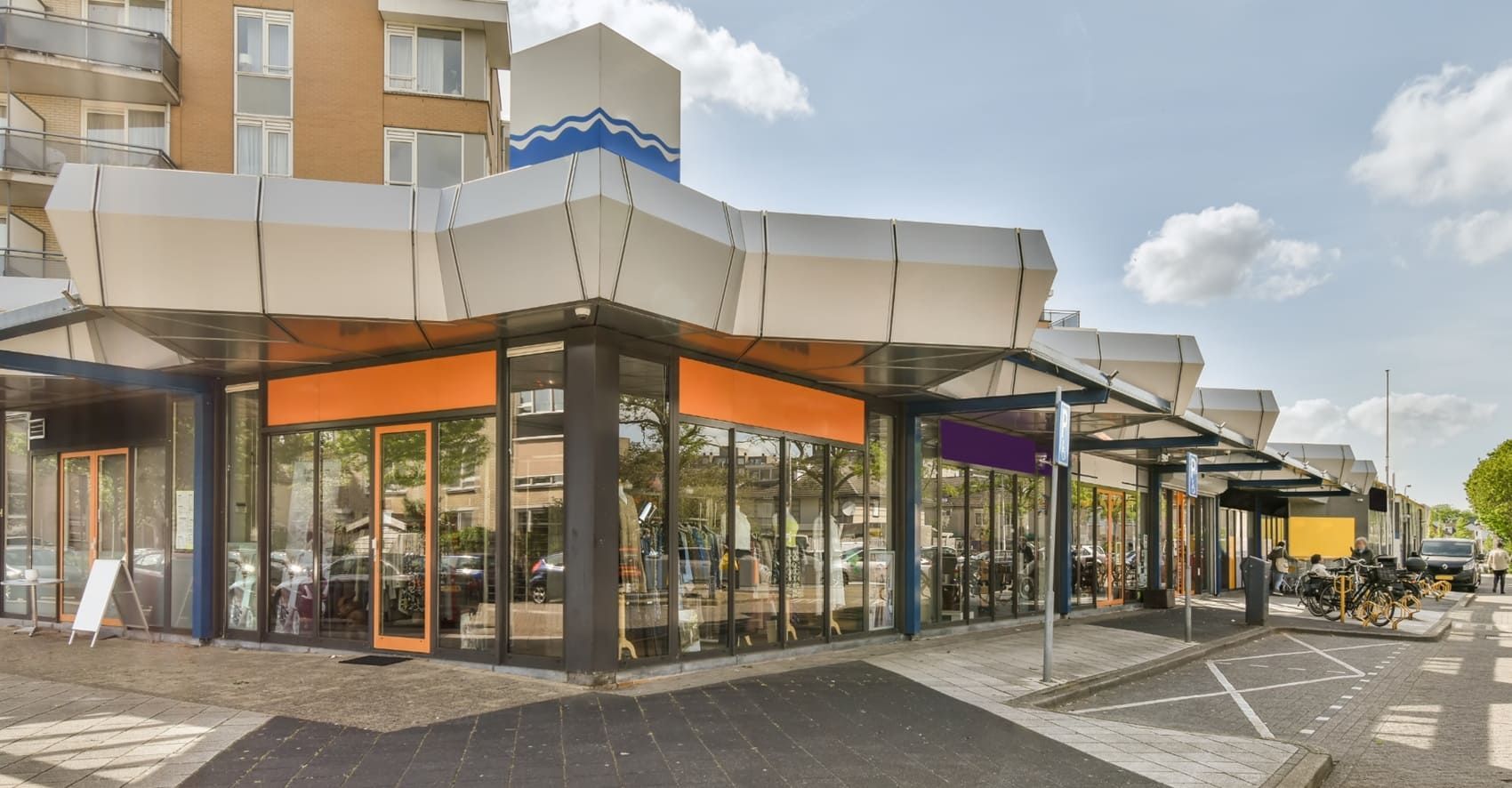
How Security Window Tint Stops Smash-and-Grab Theft
Smash-and-grab break-ins are fast, targeted, and rarely stopped by conventional storefronts. A thief with a hammer or heavy object can breach standard commercial glass in under ten seconds, grab inventory, and be gone before any alarm response arrives. Standard storefront glass is designed for aesthetics, not resistance. Once struck, it shatters completely and provides no barrier between a criminal and everything behind it.
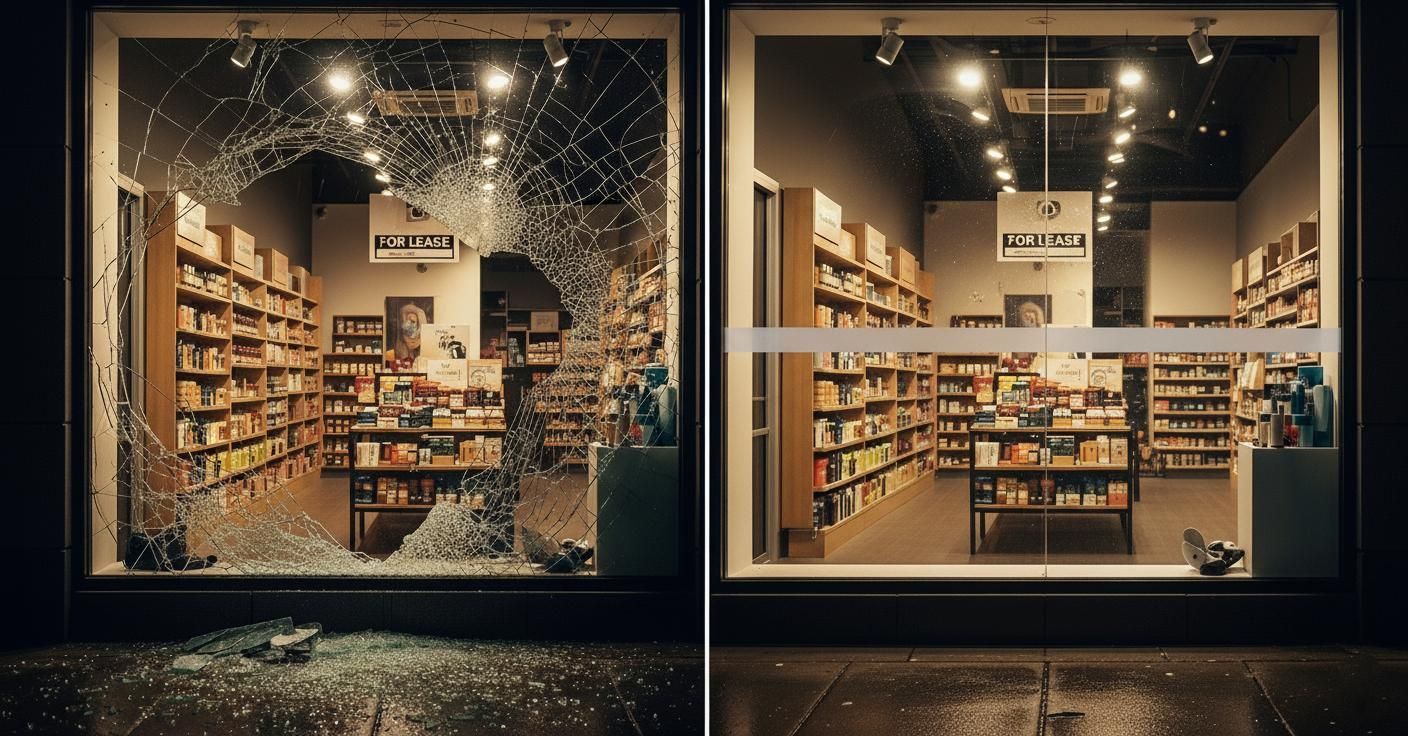
Security window film changes that equation. Applied directly to existing glass, security film holds shattered panes together after impact, creating a flexible barrier that dramatically slows forced entry. Instead of a clean opening in seconds, an intruder faces continued resistance, noise, and visible effort that most smash-and-grab thieves are unwilling to commit to.
Security window film can be a smart and cost-effective choice for many retail and commercial business owners in Medford, NJ and throughout Burlington and Camden County. The right decision depends on your glass type, your risk level, and the film thickness that matches your security goals. This guide covers everything South Jersey business owners need to know.
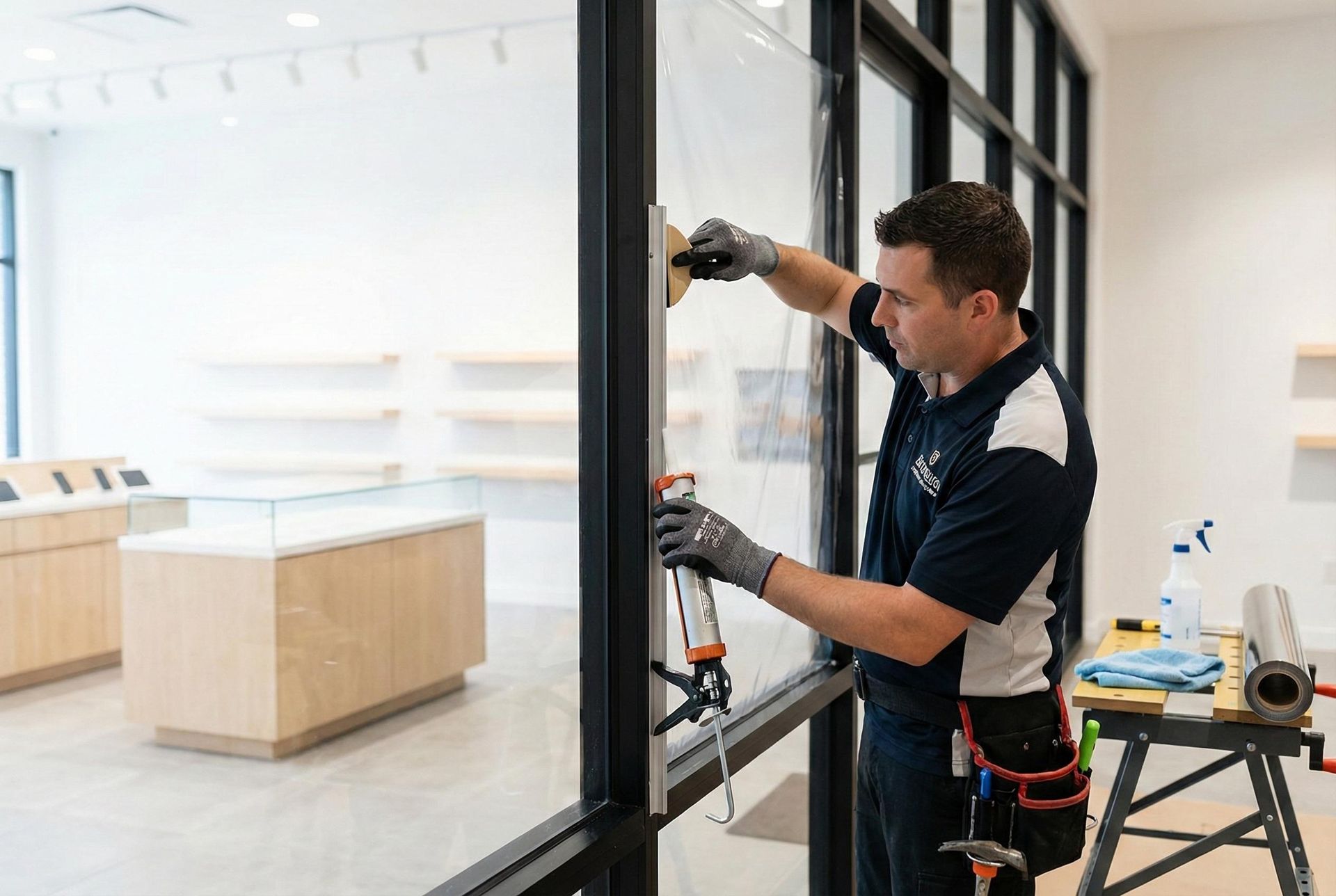
Table of Contents
- What Is Smash-and-Grab Theft, and Why Is It Rising?
- How Security Window Film Actually Stops a Break-In
- Security Film vs. Bars, Grilles, and Standard Tint
- How Film Thickness Changes Your Protection Level
- Beyond Security: The Added Benefits of Security Film
- What Installation Looks Like and What It Costs
- Choosing the Right Security Film for Your South Jersey Storefront
- FAQ: Security Window Film for South Jersey Businesses
- Conclusion
What Is Smash-and-Grab Theft, and Why Is It Rising?
Smash-and-grab theft refers to a style of burglary in which a perpetrator breaks a glass storefront, display case, or window quickly and removes high-value items before any meaningful response is possible. The crime is defined by speed: most incidents are over within sixty to ninety seconds. That window of time is shorter than the fastest law enforcement response in almost any jurisdiction.
These incidents have been rising across New Jersey and the broader mid-Atlantic region. Retail corridors in Burlington County, Camden County, and surrounding South Jersey communities have seen increases in commercial property crimes targeting storefronts with accessible glass fronts and high-value merchandise. Jewelry retailers, electronics stores, cannabis dispensaries, and convenience stores are among the most frequently targeted business types, but no commercial property with unprotected glass is immune.
Why Standard Glass Fails Immediately
Standard float glass, which is the default material in most commercial storefronts, is designed to be transparent and affordable, not impact-resistant. When struck with sufficient force, it shatters into a large opening almost instantly. Tempered glass, which is required in many commercial applications for safety reasons, actually breaks into small pebbles on impact, clearing the opening even more efficiently than float glass. Neither material provides meaningful resistance to a determined intruder with a basic hand tool.
The Response Time Problem
Even with a monitored alarm system, average police response times in suburban and rural Burlington and Camden County communities can range from five to fifteen minutes or more depending on the time of day and call volume. A smash-and-grab that clears out a display case in under two minutes is completed long before any response arrives. Security film does not replace alarms or cameras, but it addresses the response time gap by making the break-in itself take much longer than a thief is typically willing to attempt.
How Security Window Film Actually Stops a Break-In
Security window film works by bonding to the interior surface of existing glass using a pressure-sensitive adhesive. When the glass is struck and shatters, the film holds the broken fragments together in a flexible, interconnected sheet rather than allowing the pane to collapse into an open hole. The result is a damaged but largely intact barrier that must be repeatedly struck, pushed, and penetrated rather than simply cleared.
The Mechanics of Forced Entry Delay
An unprotected glass pane typically fails in one to three strikes. The same pane with a quality security film applied can require sustained impact over thirty seconds to several minutes before a usable opening is created, depending on the film thickness and the type of glass. That time differential is the key protective value. Most smash-and-grab perpetrators abandon the attempt when resistance is encountered, because the noise, visibility, and time required all dramatically increase their risk of being identified or caught.
Film, Adhesive, and the Attachment System
Security film alone holds glass fragments together, but the full protection system includes how the film is anchored at the glass perimeter. Wet-glazed or mechanically anchored attachment systems bond the film edges to the window frame, which means the entire film-and-glass unit must be overcome rather than just the film surface. Products from manufacturers like Suntek, LLumar, Vista, 3M, and Avery offer varying levels of perimeter attachment options that can be specified based on the frame type and security goal of a given installation.
Deterrence as a Primary Benefit
Experienced commercial property security consultants consistently note that visual deterrence is among the most powerful tools available to retail businesses. Security film is invisible to the naked eye from outside the building, so it does not advertise the upgrade to potential intruders before they attempt entry. However, once a strike is attempted and the glass holds, the attempted entry is immediately abandoned in the majority of cases captured on surveillance. The film does not need to be impenetrable to be effective; it only needs to exceed the time and risk threshold a smash-and-grab criminal is willing to commit to.
Security Film vs. Bars, Grilles, and Standard Tint
Business owners considering forced-entry protection typically compare security window film against security bars or grilles and standard non-security tint. Each option has a different profile of protection, appearance, cost, and compliance implications. The table below summarizes the key differences.
| Category | Security Window Film | Security Bars or Grilles | Standard (Non-Security) Tint |
|---|---|---|---|
| Forced-Entry Delay Time | 30 seconds to several minutes depending on thickness | Several minutes if properly installed and anchored | None, same as unprotected glass |
| Storefront Appearance and Curb Appeal | Invisible from outside, no change to appearance | Highly visible, industrial appearance, may deter customers | Slight tint effect, no security value |
| UV and Solar Protection | Yes, included in most security film products | None | Yes, primary function of standard tint |
| Cost | Moderate upfront, long service life | Higher installation cost, ongoing maintenance | Lower cost, no security benefit |
| Maintenance | Minimal, ammonia-free cleaning only | Regular painting and rust prevention required | Minimal, ammonia-free cleaning only |
| Fire Code and Emergency Egress Impact | No impact on egress when properly specified | Can violate fire code on egress windows without approved quick-release hardware | No impact |
| Insurance Considerations | May support premium reduction conversations with insurer | May support premium reduction but affects property appearance ratings | No impact on security coverage |
For most retail and commercial businesses in Medford and South Jersey, security window film offers the strongest combination of protection level, appearance preservation, and code compliance. Bars and grilles remain appropriate for specific high-risk applications, but they fundamentally change the character and customer accessibility of a storefront in ways that many business owners are unwilling to accept.
How Film Thickness Changes Your Protection Level
Not all security film is the same. Film thickness, measured in mils (thousandths of an inch), directly determines the protection level a given product provides. Thicker film holds glass together more effectively, requires more strikes to breach, and in the highest-thickness applications, provides meaningful resistance to larger impacts and sustained attack. The table below summarizes the main thickness categories and their intended use cases.
| Film Thickness | Protection Level | Primary Use Case | Typical Applications |
|---|---|---|---|
| 4 to 6 mil | Entry-level security and shatter protection | General retail, office storefronts, residential | Standard commercial glass, smaller pane sizes, lower-risk locations |
| 8 mil | Mid-grade security, meaningful smash-and-grab delay | Retail storefronts, pharmacies, convenience stores | Medium-risk commercial properties, display-heavy retail |
| 12 to 15 mil (Anti-Climb) | High-security, sustained attack resistance | High-value retail, dispensaries, financial services | Large pane storefronts, high-risk corridors, jewelry and electronics retail |
For most South Jersey retail and commercial applications, an 8 mil security film represents the best balance of protection level and cost. High-value businesses in Burlington County or Camden County corridors with demonstrated theft risk may benefit from the additional protection of a 12 to 15 mil product, particularly when combined with a perimeter attachment system.
The Role of Perimeter Attachment Systems
Film thickness addresses the surface resistance of the glass pane, but perimeter attachment systems address what happens when the film-bonded glass is pushed inward after shattering. A wet-glazed attachment bonds the film directly to the window frame using a compatible silicone sealant, creating a structural connection between the film and the frame that prevents the entire glass unit from being pushed out of the opening. For storefronts facing the highest risk levels, a mechanical attachment system provides the strongest integration. Your security film installer can specify the appropriate attachment system based on your frame type and security objectives.
Beyond Security: The Added Benefits of Security Film
Security window film is commonly evaluated on its forced-entry resistance alone, but for commercial property owners in South Jersey, the full value proposition includes several additional benefits that compound the return on the investment.
UV Protection and Merchandise Preservation
Most security films from Suntek, LLumar, Vista, 3M, and Avery block 99 percent or more of incoming UV radiation. For retail businesses with merchandise displayed near windows, UV damage is a real and ongoing cost. Apparel, artwork, food products, furniture, and electronics are all vulnerable to UV fading and degradation. Security film addresses forced entry and merchandise preservation simultaneously with a single product installation.
Solar Heat Reduction
Security films with solar control properties reduce the heat load entering a commercial space through glass. In New Jersey's summer months, glass-front retail spaces can experience significant heat gain that increases cooling costs and creates uncomfortable conditions for customers and staff near windows. Many security film products incorporate solar heat rejection that lowers HVAC demand without reducing visible light transmission in a way that affects the storefront's appearance.
Shatter Protection for Occupant Safety
Even in non-criminal scenarios, security film provides safety value. Glass broken by accident, vandalism, extreme weather, or storm events is held together by the film, preventing the dangerous shard scatter that standard glass produces. For businesses in South Jersey that deal with occasional severe weather events, security film provides passive storm protection that benefits employees and customers regardless of whether a break-in ever occurs.
Post-Incident Cost Reduction
When glass is broken in an attempted break-in with security film installed, the film-bonded glass unit often remains largely in place in the frame. This means the immediate boarding and emergency glass replacement cost that typically follows an unprotected smash-and-grab may be reduced or eliminated, as the damaged film-and-glass unit may be serviceable until a scheduled replacement can be arranged.
What Installation Looks Like and What It Costs
Professional security film installation at a commercial property is a clean, non-disruptive process that can typically be completed during regular business hours without closing the storefront.
The Installation Process
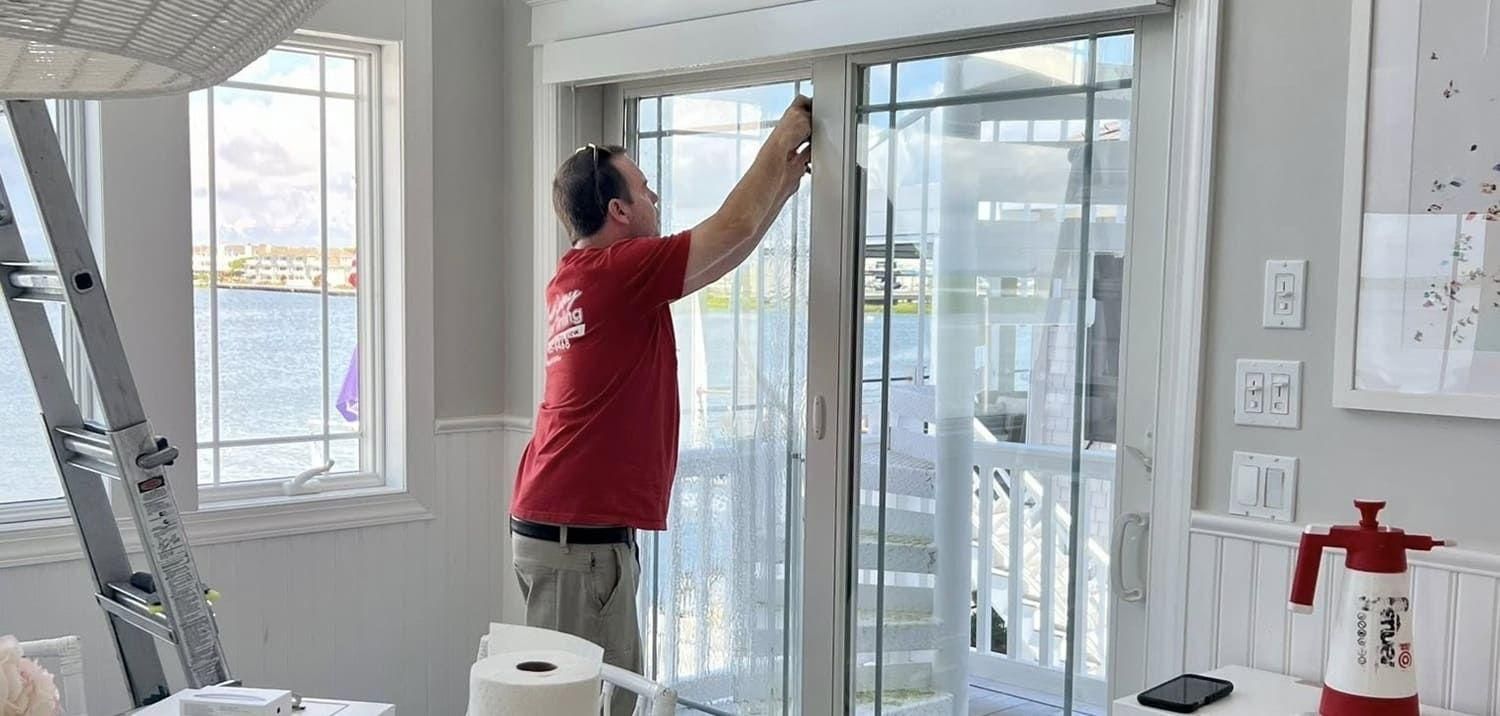
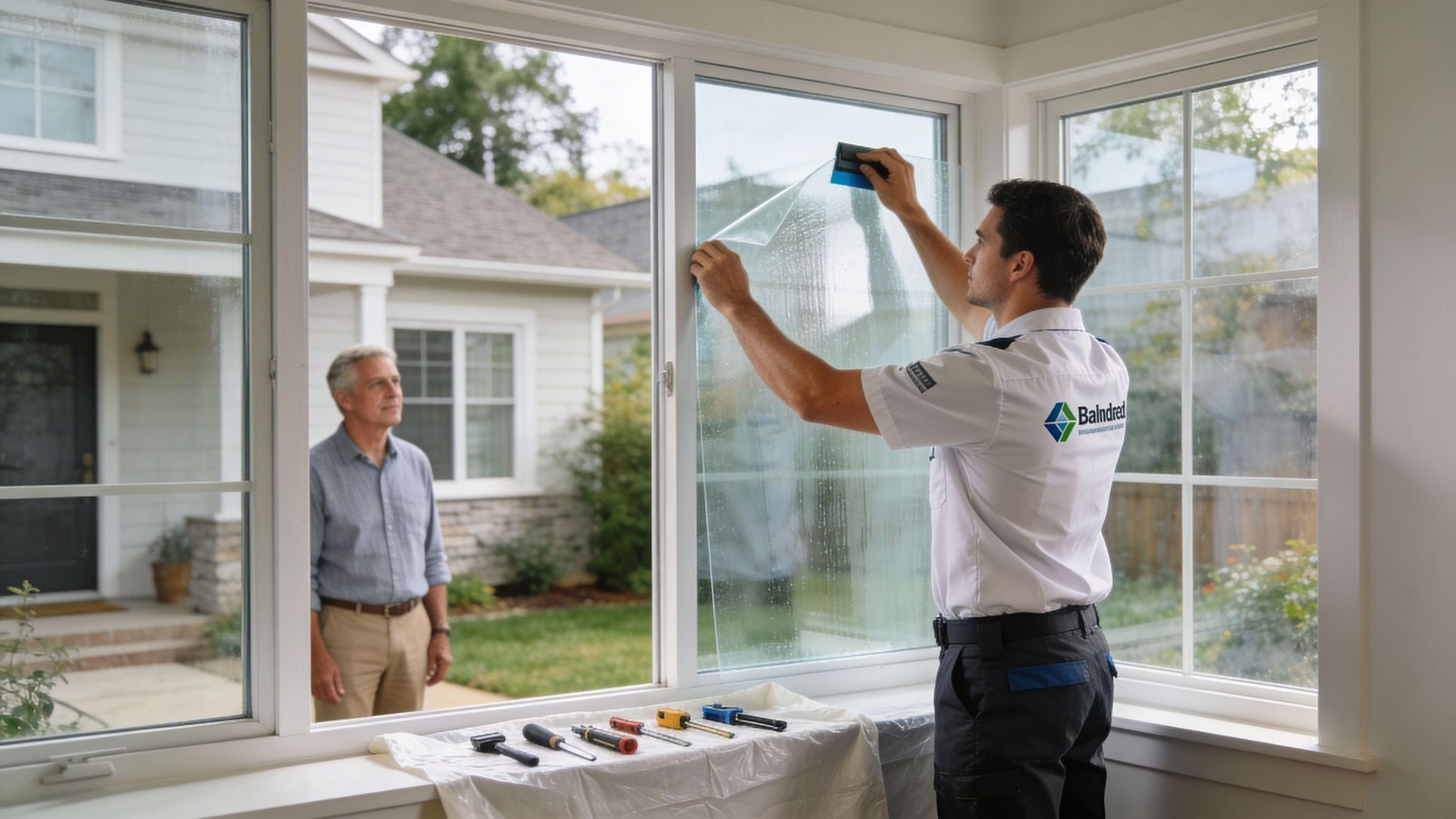
The installer begins by thoroughly cleaning the interior glass surface to remove any contaminants that would compromise adhesive bonding. The film is then cut to precise dimensions for each pane, wet-applied to the glass using a slip solution, and squeegeed into full contact with the surface. Edge trimming and finishing are completed to leave a clean, professional result. For installations that include a perimeter attachment system, the silicone or mechanical anchoring is applied at the frame perimeter after the film is fully positioned. The glass will have a slightly hazy appearance for a few days as the adhesive fully cures, after which the optical clarity returns to normal.
How Long Installation Takes
A typical small to mid-size retail storefront with two to four large pane windows can be completed in a half-day to full day installation. Larger commercial properties with extensive glass frontage may require one to two days. Your installer will provide a specific timeline based on your property's glass area and the film and attachment system specified.
What Security Film Costs for South Jersey Commercial Properties
Security window film for commercial applications is priced based on glass area, film specification, and any perimeter attachment system required. Entry-level 4 to 6 mil security film on standard retail storefront glass is typically the most affordable option. Mid-grade 8 mil film represents the most common commercial specification and carries a moderate price increase over standard tint. Premium 12 to 15 mil anti-climb film with perimeter attachment is the highest-cost option but provides the most comprehensive protection for high-risk applications.
For Medford, NJ and surrounding Burlington and Camden County businesses, a site-specific consultation and quote is the most accurate way to understand the cost for your property. South Jersey Window Tinting offers free on-site consultations and quotes using products from Suntek, LLumar, Vista, 3M, and Avery, allowing business owners to evaluate options and get firm pricing without obligation.
Return on Investment Considerations
The return on investment for security film at a commercial property is typically evaluated against the cost of a single break-in incident. The average smash-and-grab retail burglary results in inventory loss, emergency glass replacement, boarding costs, potential business closure time, and insurance claim impacts that can run into thousands to tens of thousands of dollars for a single event. A security film installation that prevents or deters even one such incident over its service life typically represents a strong positive return, independent of the UV, solar, and safety benefits included.
Choosing the Right Security Film for Your South Jersey Storefront
Selecting the right security film for a commercial property in Medford, Burlington County, or Camden County involves evaluating several factors specific to your business, building, and risk profile.
Assess Your Risk Level Honestly
Not every commercial property faces the same threat level. A professional services office in a low-traffic area has a different security profile than a jewelry retailer on a high-visibility retail corridor. A pharmacy in Burlington County faces different smash-and-grab risk than a general merchandise retailer. Matching film thickness and attachment system to your actual risk level ensures you are not over-investing in protection you do not need or under-protecting a genuinely vulnerable property.
Consider Your Glass Type and Frame Condition
Security film performance is affected by the type and condition of the glass it is applied to and the frame it is anchored in. Single-pane float glass, tempered safety glass, and insulated glass units all have different baseline characteristics that affect how security film performs after an impact. Frame condition matters particularly for perimeter attachment systems. A site assessment by an experienced commercial security film installer is the most reliable way to specify the right product for your actual glass and frame configuration.
Suntek, LLumar, Vista, 3M, and Avery: Why Product Quality Matters
The security film market includes products across a wide range of quality levels. Premium manufacturers like Suntek, LLumar, Vista, 3M, and Avery invest in film construction, adhesive formulation, and product testing that budget alternatives do not match. For commercial security applications, the film's performance under impact, its long-term adhesive stability in New Jersey's seasonal temperature swings, and the availability of documented performance specifications all matter when making a decision that is intended to protect your employees, inventory, and property.
Work with a Qualified Commercial Installer
Security film installed incorrectly, particularly at the perimeter, provides dramatically less protection than the same product installed to specification. Bubbles, edge lifting, and improper attachment system application all compromise the product's performance in exactly the scenario you installed it to address. Working with a qualified commercial installer who has experience with security film specifications and attachment systems ensures you receive the protection the product is rated to provide.
FAQ: Security Window Film for South Jersey Businesses
Does security film completely stop a break-in?
No security film prevents a break-in with certainty. What security film does is significantly delay forced entry by holding shattered glass together rather than allowing an open hole to form on impact. Most smash-and-grab attempts are abandoned when meaningful resistance is encountered because the additional time, noise, and effort required exceed the risk threshold the perpetrator is willing to accept. The goal is deterrence and delay, not impenetrability.
What thickness of film is best for a retail storefront?
For most South Jersey retail storefronts, 8 mil security film is the most commonly recommended specification. It provides meaningful smash-and-grab delay, is compatible with most commercial glass types, and offers a strong balance of protection and cost. Higher-risk applications such as jewelry retail, pharmacies, and cannabis dispensaries may benefit from 12 to 15 mil film with a perimeter attachment system. A site consultation is the best way to confirm the right specification for your property.
Does security film make windows look dark or tinted?
Most security films are optically clear or very lightly tinted and do not noticeably change the appearance of storefront glass from the outside. Some security films are available with solar control properties that add a light tint similar to standard solar film, but the primary function of the film is structural, not tinting. Your installer can show you samples of the specific products available for your application so you can evaluate the visual result before committing.
How much does commercial security window film cost?
Pricing for commercial security film depends on glass area, film specification, and whether a perimeter attachment system is included. Entry-level security film is priced comparably to higher-end solar film. Mid-grade and premium security film with attachment systems carry a higher per-square-foot cost. For a South Jersey commercial property, the best approach is to request a free on-site consultation and quote from South Jersey Window Tinting, which will provide firm pricing based on your specific glass and security requirements.
Can security film lower my business insurance premiums?
Some commercial property and business insurance carriers recognize security film as a risk-reduction upgrade and may consider it when evaluating premium rates or deductible structures, particularly for burglary and vandalism coverage. The extent of any benefit varies by carrier and policy. It is worth contacting your insurer directly after installation to discuss whether the upgrade qualifies for any premium consideration. Documented product specifications from premium manufacturers like Suntek, LLumar, Vista, 3M, and Avery can support that conversation.
How long does professional security film installation take?
A typical small to mid-size retail storefront with two to four large pane windows can generally be completed in a half-day to full day. Larger properties or installations that include perimeter attachment systems may require one to two days. Installation is typically performed during business hours without requiring the storefront to close. Your installer will confirm the timeline after assessing your property.
Does existing glass need to be replaced before security film is installed?
No. Security film is applied directly to existing glass surfaces. There is no need to replace glass in order to install security film, which is a significant part of why security film is cost-effective compared to upgrading to laminated safety glass or impact-resistant glazing. The film upgrades the security performance of your existing glass without a major construction project. Existing glass does need to be in good condition without major chips, cracks, or seal failures that would compromise adhesive bonding.
How long does security film last in New Jersey weather?
Premium security films from manufacturers like Suntek, LLumar, Vista, 3M, and Avery are engineered for long-term durability in climates with seasonal temperature variation, UV exposure, and humidity. In a New Jersey commercial environment, professionally installed security film from these manufacturers typically carries warranties of ten years or more. Proper installation and ammonia-free cleaning are the primary factors in achieving maximum film service life.
Is security film the same as bullet-resistant film?
No. Security window film and bullet-resistant glazing are different products with different performance standards. Security film is designed to delay forced mechanical entry by holding shattered glass together after impact from tools like hammers or bricks. Bullet-resistant glazing involves multiple laminated layers of polycarbonate and glass engineered to defeat ballistic penetration, and it requires full glass replacement rather than film application. If your security assessment indicates ballistic threat, a separate evaluation for bullet-resistant glazing is appropriate.
Can security film be combined with solar or heat-reduction film?
Yes. Many security film products from Suntek, LLumar, Vista, 3M, and Avery include solar control properties that reduce UV and infrared transmission simultaneously with their security function. For business owners who want both forced-entry delay and solar heat reduction in a single product, combination security and solar films are available in a range of visible light transmission and heat rejection specifications. Your installer can identify the products that meet both your security and solar objectives for your specific property.
Conclusion: Protecting Your South Jersey Business Starts at the Glass
Unprotected storefront glass is the weakest point in most commercial properties and the first target in a smash-and-grab theft. The gap between when an alarm triggers and when any response arrives is wide enough for significant inventory loss, property damage, and disruption to your business. Security window film closes that gap by turning a one-strike barrier into a sustained resistance challenge that most thieves are unwilling to push through.
For retail and commercial business owners in Medford, NJ and throughout Burlington and Camden County, security window film from premium manufacturers like Suntek, LLumar, Vista, 3M, and Avery offers forced-entry delay, UV protection, solar heat reduction, and shatter safety without changing the appearance of your storefront or requiring glass replacement. It is one of the most cost-effective security upgrades available for commercial glass, and it works alongside your existing alarm, camera, and access control systems rather than replacing them.
South Jersey Window Tinting provides free on-site security film consultations and quotes for commercial and retail properties throughout Medford, Burlington County, and Camden County. The team works with Suntek, LLumar, Vista, 3M, and Avery products and can specify the right film thickness and attachment system for your property, your risk level, and your budget. Contact South Jersey Window Tinting today to schedule your free consultation and take the first step toward protecting your inventory, your employees, and your property.
Does Security Film Stop Active Shooter Threats? What South Jersey Schools and Businesses Should Know